
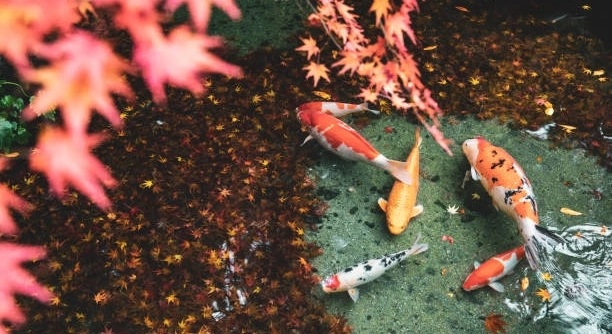
Koi are known for their calm presence in ponds. When a new object appears, they often do not react immediately. This behavior can seem puzzling to pond owners who expect curiosity or caution from these fish.
Koi may ignore a new object in the pond because they rely on familiar environmental cues and tend to avoid unnecessary energy expenditure. Their natural behavior involves cautious observation rather than immediate interaction with unknown elements.
Understanding koi behavior helps maintain a peaceful pond environment. This knowledge also supports better care and management of koi habitats in home ponds.
Reasons Koi Ignore New Objects
Koi are creatures of habit, thriving in stable environments. When a new object is introduced, they usually take time to recognize it. Their initial lack of reaction is often because they do not perceive the object as a threat or food source. Koi focus on conserving energy for activities like feeding, swimming, and social interaction. Sudden changes in their environment can cause stress, so koi prefer to assess new items quietly. Over time, they may become more aware and even curious, but their natural instinct is to avoid unnecessary risks. Their vision and sensory perception also play roles; koi might not immediately notice objects that do not move or emit signals relevant to them. This behavior helps maintain their safety and balance in the pond.
Koi’s tendency to ignore new objects is linked to their survival instincts and energy management.
This cautious approach allows koi to remain calm and avoid unnecessary stress. Pond owners should allow koi time to adjust rather than expecting instant reactions. Gradual changes in the pond environment encourage a healthier and less disruptive habitat. Observing koi behavior over days or weeks can reveal their true response to new objects. Providing familiar elements alongside new ones helps koi feel secure. This understanding aids in managing their environment with patience and respect for their natural habits.
How to Introduce New Objects to Koi Ponds
Introducing new objects slowly is essential for koi comfort. Sudden placement of unfamiliar items can cause disturbance or stress. It is best to add new objects when koi are least active, such as early morning or late evening. Starting with smaller, less intrusive items allows koi to explore at their own pace. Monitoring koi behavior after introducing new objects helps assess their reaction. If koi avoid the object for several days, it may still be adjusting to the change. Over time, koi may interact with the object, showing increased curiosity and reduced caution. Keeping the environment consistent and peaceful encourages koi to accept new items without disruption.
Careful introduction supports koi health and reduces stress in the pond.
Gradual integration of new objects maintains a stable environment. Koi appreciate predictable surroundings that allow them to feel safe. Sudden or large changes can trigger avoidance or hiding behaviors. When adding decorations or equipment, it helps to place items near familiar plants or rocks. This tactic gives koi visual anchors and reduces anxiety. Frequent observation after any change provides valuable insights into koi comfort levels. Adjusting the approach based on koi reactions ensures a harmonious pond environment. Patience and understanding of koi nature are key to successful pond management.
Sensory Factors Affecting Koi Response
Koi rely heavily on their senses to interpret their surroundings. Vision, smell, and lateral line sensing help them detect changes or threats. Objects that do not produce movement or scent are often ignored.
The koi’s eyesight is adapted to detecting movement and contrast rather than fine detail. A new object that blends with the pond’s colors or remains still may not catch their attention. Additionally, koi use their sense of smell to recognize food or changes in water chemistry. Objects lacking familiar scents are less likely to provoke interest. The lateral line system detects vibrations and water currents, so motionless items do not register strongly. This sensory filtering helps koi focus on relevant stimuli while ignoring harmless objects.
Understanding these sensory factors can explain why koi may initially overlook new additions. The absence of movement or scent means the koi see no immediate reason to react or investigate further. This natural filtering reduces unnecessary energy use and stress, allowing koi to remain calm in their environment. Recognizing how koi perceive changes helps in designing ponds and selecting decorations that align with their behavior.
Impact of Pond Environment on Koi Behavior
Pond size, water clarity, and plant life influence how koi interact with new objects. Clear water allows better visibility, which may increase awareness of unfamiliar items. Dense vegetation can hide objects, reducing koi noticeability.
A well-maintained pond with balanced conditions supports koi comfort and lowers stress. In murky water, koi depend more on senses other than sight, which can delay recognition of new objects. Plants provide hiding spots and familiar landmarks, helping koi feel secure. When new objects are introduced near these areas, koi may become curious more quickly. However, overcrowded or poorly maintained ponds can increase koi stress and reduce their willingness to explore changes. Proper filtration, regular cleaning, and balanced plant coverage create an environment where koi can adapt to new objects more easily.
Considering pond conditions when adding objects helps ensure koi remain calm. Stable environments reduce stress responses and encourage natural behaviors. This balance is essential for koi health and their willingness to interact with changes in their habitat. A thoughtful approach to pond care improves overall koi wellbeing and responsiveness.
Koi Personality and Behavior Differences
Each koi has its own personality, affecting how it reacts to new objects. Some koi are naturally more curious, while others are shy or cautious. These differences influence how quickly they notice changes.
Group dynamics also play a role. Dominant koi may explore new objects first, while others observe from a distance. This behavior helps reduce risk for the entire group.
Seasonal Effects on Koi Awareness
Seasonal changes impact koi activity and responsiveness. In colder months, koi become less active and more lethargic. This reduced activity leads to less interest in new objects. Warmer temperatures increase metabolism and curiosity, making koi more likely to notice changes in their environment.
Human Interaction and Koi Response
Regular human presence can make koi less reactive to new objects. Koi accustomed to people may feel safer and less threatened, reducing their need to investigate unfamiliar items. Consistent feeding routines and gentle handling help koi remain calm and focused on familiar stimuli.
Avoiding Stress in Koi Ponds
Minimizing sudden changes reduces koi stress. Gradual introductions and maintaining stable conditions promote koi wellbeing. Stress can lead to health problems, so careful pond management benefits both koi and their environment.
Why do koi ignore new objects in the pond at first?
Koi often ignore new objects initially because they rely on familiar cues to assess safety. Their senses focus on movement, smell, and changes in water conditions. Objects that don’t move or emit recognizable scents usually don’t attract immediate attention. This behavior helps koi conserve energy and avoid unnecessary risks. They prefer to observe quietly before interacting, reducing stress and maintaining stability in their environment.
How long does it usually take for koi to notice a new object?
The time koi take to notice new objects varies. It can range from a few days to several weeks depending on the object’s size, color, placement, and movement. Objects placed near familiar spots or plants may attract attention sooner. If koi show no interest after a few weeks, they might have accepted the object as part of their environment or simply do not see it as important.
Can introducing new objects stress koi?
Yes, sudden changes can cause stress in koi. Stress may affect their health and behavior, making them hide or eat less. Introducing objects slowly and during times when koi are less active helps reduce this stress. Ensuring the pond environment remains stable overall supports their wellbeing during any changes.
What types of objects are koi more likely to notice?
Koi are more responsive to objects that move or contrast sharply with the pond’s colors. Bright colors, reflective surfaces, or objects that create vibrations in the water attract their attention. Items that resemble food or have familiar scents also tend to generate curiosity. Static or camouflaged objects often go unnoticed for longer.
How can I safely add new decorations or equipment to a koi pond?
Start by placing new items gradually and in familiar areas. Introduce smaller objects before larger ones to allow koi time to adjust. Avoid placing decorations in high-traffic or resting areas to minimize disruption. Observe koi behavior closely after introduction and remove items if signs of stress appear. Maintaining clean water and stable conditions helps koi adapt comfortably.
Do koi learn to recognize objects over time?
Yes, koi can learn and remember objects in their environment. Repeated exposure allows koi to associate objects with safety or food, increasing their comfort level. Over time, koi may even interact with decorations or equipment that they once ignored. Familiarity reduces stress and encourages natural behavior.
Can koi’s personalities affect how they respond to new objects?
Individual koi have distinct personalities that influence their curiosity and caution. Some koi are naturally bold and explore changes quickly, while others remain shy and avoid new stimuli. Group behavior also matters; bolder koi may lead, allowing others to watch and decide when it is safe to approach.
Does pond environment affect koi’s reaction to new objects?
Yes, factors like water clarity, size, and plant coverage impact koi responses. Clear water improves visibility, which can increase awareness of new items. Dense vegetation provides hiding spots and may encourage koi to investigate objects near these areas. Poor pond conditions can heighten stress and reduce koi willingness to explore.
How do seasonal changes influence koi’s interest in new objects?
Seasonal temperature shifts affect koi activity levels. In cooler months, koi become less active and less likely to investigate new objects. Warmer temperatures increase their metabolism and curiosity, making them more responsive. Seasonal behavior patterns should be considered when introducing changes to the pond.
What role does human interaction play in koi behavior toward new objects?
Koi accustomed to regular human presence often feel safer and less threatened by changes. Feeding routines and gentle handling build trust, allowing koi to focus on familiar stimuli rather than new objects. Consistent interaction can reduce stress and encourage natural, calm responses to environmental changes.
Koi fish have a natural way of responding to changes in their environment that helps them stay safe and healthy. When a new object is placed in the pond, koi may ignore it at first because they rely on their senses to decide if something is important or dangerous. Objects that do not move or give off any familiar scents often do not catch their attention right away. This behavior is normal and shows how koi focus on what matters most in their surroundings, avoiding unnecessary stress or energy use. Over time, as the new object becomes part of the pond’s environment, koi usually become more comfortable and may start to explore or interact with it.
The pond’s conditions and the koi’s individual personalities also affect how they respond to new objects. Clear water and natural plants can make koi more aware of changes, while murky water or crowded spaces might limit their interest. Some koi are naturally curious and may investigate new things quickly, while others are more cautious and prefer to watch from a distance. Seasonal changes also play a role. In colder weather, koi tend to be less active and less interested in their surroundings. Warmer temperatures often make them more alert and willing to explore. Understanding these factors can help pond owners introduce new items in a way that minimizes stress and supports the koi’s natural behavior.
Taking care when adding new objects and keeping the pond stable is important for the health and happiness of koi fish. Gradual introductions and maintaining clean, balanced water conditions reduce the chance of stress. Regular human interaction can also help koi feel safe and more relaxed about changes. Paying attention to how koi behave when new items are added allows owners to make adjustments if needed. Overall, koi ignoring a new object at first is a natural part of their process for adapting to their environment. With patience and care, koi will accept new additions and continue to thrive in their pond.

Hello,
If you enjoy the content that we create, please consider saying a "Thank You!" by leaving a tip.
Every little bit helps us continue crafting quality advice that supports the health, happiness, and well-being of pets around the world, for pets of all shapes, sizes, and species.
We really appreciate the kindness and support that you show us!