
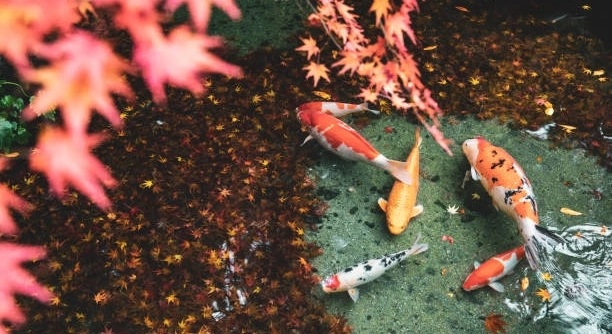
Koi fish are known for their graceful swimming and vibrant colors. Sometimes, these fish remain motionless in one spot for hours, which can seem unusual to many owners. Understanding this behavior helps maintain their health and well-being.
Koi fish freeze in one spot primarily due to environmental factors such as water temperature, oxygen levels, and stress. This behavior is a natural response to conserve energy or cope with unfavorable conditions in their habitat.
Recognizing why koi fish stay still can improve care practices and ensure a healthier environment for these aquatic pets. This article explains the key reasons behind this behavior.
Environmental Factors Affecting Koi Behavior
Koi fish are highly sensitive to their environment, especially water temperature and oxygen levels. When water becomes too cold, koi metabolism slows down, causing them to move less and sometimes freeze in place. Low oxygen levels also force koi to conserve energy by staying still. Poor water quality can increase stress, which further encourages this behavior. Observing these conditions closely is important. Regular water testing and maintaining proper filtration help keep the environment stable. Seasonal changes often influence water temperature, so adjustments to care routines are necessary. Providing adequate aeration improves oxygen availability, reducing the time koi spend motionless. Watching koi behavior regularly can indicate when environmental factors need correction, ensuring their health and activity levels remain optimal.
Maintaining stable environmental conditions can prevent prolonged inactivity. Addressing temperature and oxygen issues early supports koi vitality.
Water temperature and oxygen balance play key roles in koi activity. Sudden drops or poor aeration limit their movement, prompting stillness to preserve energy until conditions improve.
Stress and Health Issues in Koi Fish
Stress impacts koi behavior significantly. Factors such as overcrowding, sudden noise, or aggressive tank mates can cause koi to freeze for long periods. Illnesses like parasites or bacterial infections also reduce their activity. When koi feel threatened or uncomfortable, they adopt stillness as a defense mechanism. Observing any changes in appearance, like discoloration or sores, is crucial for early diagnosis. Treatment may require isolating the affected fish and consulting with a veterinarian. Maintaining a calm, stable environment reduces stress. Avoid sudden changes in water parameters or tank setup to help koi feel secure. Monitoring feeding habits and behavior daily can highlight issues before they worsen. Prompt action helps koi recover faster and resume normal activity.
Stress and illness cause koi to conserve energy by freezing in one spot. Proper care and observation are essential for their health and comfort.
Seasonal Changes and Their Impact
Seasonal shifts influence koi behavior. Cooler temperatures in fall and winter slow their metabolism, making them less active. Koi often freeze in one spot as they enter a state of reduced energy consumption to survive colder months. This is a natural adaptation.
In colder seasons, koi will often settle at the bottom of the pond or near slow-moving water, conserving energy. Their immune system also becomes less efficient during this time, making them more vulnerable to diseases. Adjusting feeding habits is important; koi eat less and require easily digestible food. Maintaining water quality remains critical since stagnant, cold water can lead to oxygen depletion and harmful bacteria growth. Monitoring koi closely during these months helps catch any health issues early.
Seasonal transitions require adjustments in koi care. Ensuring clean water, proper feeding, and maintaining oxygen levels supports koi health when activity slows. Preparing for these changes reduces stress and prevents illness.
Feeding Patterns and Energy Conservation
Koi reduce feeding during periods of low temperature and stress. This is part of their natural energy conservation strategy. Feeding less prevents digestive problems when metabolism slows.
In warmer months, koi actively search for food and digest efficiently. However, as water temperature drops below 60°F (15°C), koi’s digestive system slows significantly. Overfeeding during this time can cause waste buildup and illness. Feeding should be minimal and focused on high-quality, easy-to-digest pellets or treats. Observing koi’s interest in food helps guide feeding frequency. Avoid feeding if koi show no appetite, as forcing food can harm their health.
Proper feeding habits aligned with koi’s natural cycles support their well-being. Adjusting food quantity and type based on activity level prevents health complications during periods of inactivity and freezing behavior.
Oxygen Levels and Koi Activity
Low oxygen levels cause koi to reduce movement and stay still. Oxygen is essential for their metabolism and overall health. Without enough oxygen, koi conserve energy by freezing in one spot.
Proper aeration improves oxygen availability. Air pumps, waterfalls, or fountains help maintain oxygen levels and keep koi active.
Water Quality and Its Effect on Behavior
Poor water quality negatively impacts koi behavior and health. High ammonia, nitrite, or nitrate levels cause stress and can lead to freezing behavior as koi attempt to conserve energy. Regular water testing and maintenance are necessary to prevent toxic buildup. Filtration systems and water changes help maintain a clean and balanced environment. Clear, stable water conditions support koi’s normal swimming activity and reduce the risk of illness related to poor water quality.
Rest and Energy Conservation
Koi naturally rest by remaining still for periods. This behavior conserves energy and supports health during low activity times.
Why does my koi fish stay frozen in one spot for hours?
Koi fish may freeze in one spot for hours due to environmental stress, low oxygen, or low water temperatures. This stillness helps them conserve energy when conditions are not ideal. It can also be a natural resting behavior or a sign of illness if combined with other symptoms.
Is it normal for koi to be inactive for long periods?
Yes, koi naturally reduce activity in colder weather or during times of stress. Inactivity is a way to conserve energy. However, prolonged stillness without improvement or accompanied by other signs such as lack of appetite or visible health issues should be investigated.
How can I improve oxygen levels in my koi pond?
Increasing aeration helps. Adding air pumps, fountains, or waterfalls boosts oxygen circulation. Plants can also assist but should be balanced to avoid excessive oxygen consumption at night. Regular maintenance and cleaning reduce debris that can lower oxygen availability.
What water temperature is best for koi activity?
Koi thrive between 65°F and 75°F (18°C to 24°C). Below 60°F (15°C), their metabolism slows, causing inactivity. Sudden temperature changes stress koi, so gradual adjustments are preferred to keep them comfortable.
How often should I feed koi during cold weather?
Feed koi less frequently as water temperature drops. Below 60°F (15°C), koi digest food slowly. Feeding once or twice a week with easily digestible food is enough. Stop feeding if koi refuse food, as uneaten food can pollute the water.
Can stress cause koi to freeze in place?
Yes, stress from overcrowding, poor water quality, or aggressive tank mates can cause koi to stay still. Stress weakens their immune system and changes behavior. Keeping the pond environment stable and peaceful reduces stress.
What signs indicate my koi might be sick?
Look for changes like faded color, sores, clamped fins, labored breathing, or unusual swimming patterns. Freezing in one spot combined with these signs suggests illness. Immediate water testing and possible veterinary care may be necessary.
How often should I test my pond water?
Testing weekly is ideal, especially during seasonal changes. Regular checks for ammonia, nitrite, nitrate, pH, and oxygen help catch problems early. Keeping water parameters stable is key to koi health.
Is it normal for koi to stay at the pond bottom?
Yes, koi often rest near the bottom, especially in cooler temperatures. The bottom water is usually warmer and more stable. This behavior is normal unless koi remain motionless for very long or show signs of distress.
What role does filtration play in koi health?
Filtration removes waste and toxins that harm koi. A properly sized filter supports clear water and reduces stress. Cleaning filters regularly prevents buildup that can affect water quality and koi behavior.
How can I reduce stress for my koi?
Maintain stable water quality, avoid overcrowding, provide hiding spots, and keep noise and sudden movements near the pond minimal. Balanced feeding and proper pond maintenance also contribute to a low-stress environment.
Can koi recover from freezing behavior?
If freezing is due to environmental factors or mild stress, koi usually recover once conditions improve. If caused by illness, recovery depends on timely treatment and care. Observing behavior closely helps identify when intervention is needed.
Should I isolate a koi that freezes often?
Isolation is helpful if freezing accompanies signs of illness or aggression from other fish. Quarantine reduces disease spread and allows focused treatment. Healthy koi that occasionally freeze due to temperature or rest do not require isolation.
How can I prepare my koi pond for winter?
Remove debris, reduce feeding, and check aeration devices. Consider using a pond heater or de-icer to prevent surface freezing and maintain oxygen exchange. Monitoring water quality is essential to prevent winter stress.
What happens if koi freeze due to illness?
They become vulnerable to secondary infections and organ damage. Prolonged inactivity may lead to weakened immunity. Early diagnosis and treatment improve survival chances. Regular health monitoring is key to preventing serious outcomes.
Koi fish freezing in one spot for hours is often a natural response to their environment. Changes in temperature, oxygen levels, and water quality greatly influence their behavior. During colder months, koi slow their metabolism and conserve energy by staying still. This helps them survive when food is scarce and the water is cooler. Maintaining a stable environment is essential for koi health and comfort, especially during seasonal changes. Proper pond care supports their well-being and reduces stress, which is important for preventing illness.
It is important to monitor koi regularly to ensure their environment remains suitable. Regular water testing helps keep track of oxygen levels, pH, ammonia, nitrites, and nitrates, all of which affect koi health. Proper filtration and aeration improve water quality and oxygen availability. Feeding koi appropriately according to the season is also necessary. In colder temperatures, koi need less food and should be given easily digestible pellets or treats. Overfeeding in low temperatures can cause health issues due to slow digestion and increased waste in the water.
Freezing behavior in koi should not be ignored if it comes with other signs of illness such as discoloration, sores, or unusual swimming. Stress factors like overcrowding, poor water quality, and sudden changes in the environment can also contribute to this behavior. Taking steps to maintain clean water, stable temperatures, and adequate oxygen helps koi stay healthy and active. Understanding their natural behavior and adjusting care accordingly supports their long-term health in the pond. Consistent observation and care ensure koi thrive and reduce the risk of problems linked to freezing in one spot.

Hello,
If you enjoy the content that we create, please consider saying a "Thank You!" by leaving a tip.
Every little bit helps us continue crafting quality advice that supports the health, happiness, and well-being of pets around the world, for pets of all shapes, sizes, and species.
We really appreciate the kindness and support that you show us!