
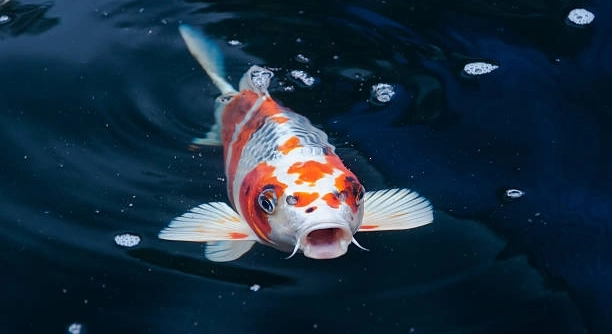
Having a koi pond can bring calm and beauty to any outdoor space. Proper pond depth plays a big role in keeping koi healthy and happy. It also helps maintain a balanced environment for fish and plants alike.
Proper koi pond depth is essential for temperature regulation, protection from predators, and providing enough space for koi growth. It supports water quality by allowing better oxygen circulation and waste breakdown, promoting overall fish health and pond stability.
Understanding these benefits will help you create a thriving pond environment. There are simple ways to improve your koi pond that make a noticeable difference.
Temperature Stability for Koi Health
Keeping a proper pond depth helps maintain a steady water temperature, which is important for koi health. Shallow ponds can heat up quickly during hot days and cool down fast at night. These changes stress the fish and can lead to illness. Deeper water holds temperature better, giving koi a comfortable environment all year round. In colder seasons, a deeper pond prevents the water from freezing completely, so the fish have a safe place to survive. Proper depth also helps plants and beneficial bacteria thrive, which supports a balanced pond ecosystem. When the temperature stays stable, koi are less likely to become sick and can grow strong. It makes caring for the pond much easier and helps create a peaceful setting to enjoy outdoors.
The right depth reduces sudden temperature swings, making koi feel more secure and healthier. Stable water temperature also benefits plants and water quality.
Keeping your pond deep enough means less worry about weather changes harming your fish. This simple step protects koi and creates a lasting, healthy pond environment that is easier to manage.
Protection Against Predators
A deeper pond gives koi a safe space away from common predators like birds and raccoons. Shallow ponds leave fish exposed and vulnerable to attacks. When the pond is deep enough, koi can swim to the bottom or hide in underwater plants and structures. This natural cover helps reduce stress caused by threats. Predators are less likely to reach fish that can quickly move to deeper water. A well-designed pond with proper depth creates a secure home for koi, allowing them to grow and enjoy their space without constant danger. In addition to physical safety, deeper ponds also discourage predators by making fish less visible from above the water.
Predators find it harder to reach koi in deeper ponds. This makes the pond safer and the fish more relaxed.
Ensuring your pond is deep enough is one of the best ways to protect your koi. It helps maintain a calm environment where fish can thrive without fear. Adding plants and hiding spots further increases their chances of staying safe.
Improved Oxygen Circulation
Proper pond depth helps maintain better oxygen levels in the water. Deeper water allows for more surface area contact and movement, which supports oxygen exchange. This is essential for koi to breathe easily and stay healthy.
Oxygen is vital for koi and beneficial bacteria in the pond. Deeper ponds promote good water flow and circulation, preventing stagnant areas where oxygen might drop. This supports the breakdown of waste and keeps the water cleaner. Without enough oxygen, fish can become stressed or sick, and algae can grow unchecked. A deeper pond also means cooler water, which holds oxygen better than warm water. Together, these factors create a balanced environment that supports koi well-being and pond health.
Maintaining proper depth helps reduce the buildup of harmful gases. It creates a natural system that supports koi and plants. With good oxygen levels, the pond stays clear and inviting, making care easier.
Space for Growth and Activity
Koi need enough space to swim and grow comfortably. Proper pond depth gives them room to move freely and develop their muscles. Crowded or shallow ponds limit movement and can stunt growth.
When koi have adequate depth, they can express natural behaviors like exploring and hiding. This reduces stress and aggressive behavior, which improves overall fish health. Depth also allows koi to avoid extreme weather conditions by moving vertically in the water. Deeper ponds offer layers of temperature and oxygen, so fish can find the best spot at any time. This variety supports their immune system and helps them live longer. A pond that supports growth is a happy pond, and koi that feel safe and active show their beauty and personality better.
Giving koi enough depth is one of the simplest ways to support their health and happiness. It also encourages a lively and balanced pond ecosystem. Investing in proper depth means you’ll enjoy watching healthy koi thrive.
Easier Maintenance
Proper pond depth helps keep maintenance simpler. Deeper ponds tend to have fewer algae problems and less debris buildup near the surface.
With better water circulation in a deeper pond, waste breaks down more efficiently. This means less frequent cleaning and healthier water for koi.
Better Waste Management
A properly deep pond allows beneficial bacteria to thrive in the sediment and filtration areas. These bacteria break down fish waste and harmful toxins naturally. Without enough depth, waste can accumulate too quickly, leading to poor water quality and unhealthy conditions. Proper depth supports a balanced ecosystem that reduces the need for chemical treatments and frequent water changes. This natural filtration keeps koi safe and the pond clear, making pond care easier and more enjoyable.
Support for Aquatic Plants
Deeper ponds create stable conditions that help aquatic plants grow well. This adds beauty and improves water quality.
FAQ
What is the ideal depth for a koi pond?
The ideal depth for a koi pond is generally between 3 and 5 feet. This depth gives koi enough space to swim comfortably and helps maintain stable water temperatures. It also provides protection from predators and prevents the pond from freezing solid in winter. Shallower ponds may cause stress to koi and lead to water quality issues. Depth is key to creating a healthy, balanced environment that supports the fish’s growth and well-being.
Why does pond depth affect water temperature?
Water temperature changes more quickly in shallow ponds because there is less volume to absorb heat. A deeper pond holds cooler water during hot days and warmer water during cold nights. This temperature stability reduces stress on koi, who are sensitive to sudden changes. Stable temperatures also help beneficial plants and bacteria thrive, keeping the pond’s ecosystem balanced.
How does depth help protect koi from predators?
Predators like birds, raccoons, and cats can easily reach koi in shallow ponds. A deeper pond allows fish to swim down out of sight or hide among plants and decorations on the bottom. This extra space provides a natural refuge. Deeper water also makes it harder for predators to spot koi from above, reducing attacks and helping fish stay calm.
Can a pond be too deep for koi?
While deeper ponds offer many benefits, making a pond excessively deep (over 6 feet) may not be necessary for koi. Very deep ponds can make maintenance harder and reduce the amount of light reaching aquatic plants. For most hobbyist ponds, 3 to 5 feet is enough to keep koi safe, healthy, and active without added complications.
How does depth impact oxygen levels in the pond?
Deeper ponds encourage better oxygen circulation. Water movement at the surface mixes oxygen into the pond, and with enough depth, this oxygen-rich water can circulate throughout. Oxygen is crucial for koi breathing and for beneficial bacteria that break down waste. Shallow, stagnant ponds often have lower oxygen, which can harm fish and promote algae growth.
What should I do if my pond is too shallow?
If your pond is too shallow, you might see signs like koi stress, rapid temperature changes, or more predator visits. To improve conditions, consider deepening parts of the pond or adding a deeper section. Adding plants and underwater shelters can also give koi places to hide. Improving aeration and filtration will help support water quality in shallower ponds.
How does pond depth affect plant growth?
Aquatic plants benefit from stable water temperatures and good light conditions. Proper pond depth ensures plants can root safely without being exposed to freezing or overheating. Deeper water also reduces algae growth by limiting sunlight reaching the bottom, which helps plants outcompete algae and maintain clearer water.
Is deeper water harder to maintain?
Deeper ponds usually require less frequent cleaning because they maintain better oxygen levels and water balance. Waste breaks down more efficiently, and plants grow better. While deeper ponds might need more initial work to build, their natural balance makes long-term maintenance easier compared to shallow ponds.
How does pond depth influence koi behavior?
Koi naturally like to swim in open water but also need places to hide. Proper depth allows them to move vertically and find comfortable spots. This space reduces stress and aggressive behavior, encouraging healthier interactions among fish. Koi in shallow ponds may feel exposed, which can lead to hiding too much or being overly aggressive.
Can pond depth help during winter?
Yes. In cold climates, deeper ponds prevent the water from freezing completely. This protects koi from freezing temperatures and keeps oxygen levels stable under the ice. Fish can move to the deeper, warmer layers where they stay safe until spring. Shallow ponds freeze more easily, which can cause serious harm to koi.
What’s the best way to check my pond’s depth?
Use a long measuring stick or pole to check various spots in your pond. Measure from the surface to the deepest point to find the maximum depth. Check multiple areas since some spots might be shallower or deeper. Keeping track helps you know if your pond depth is enough for healthy koi living.
Can koi live in a pond less than 3 feet deep?
Koi can survive in shallower ponds but often face more risks like temperature swings, predator attacks, and poor water quality. For a long, healthy life, koi need enough depth to swim comfortably and find refuge. Ponds less than 3 feet deep are generally not recommended unless you can add extra protection and careful maintenance.
How does pond shape relate to depth?
A good pond shape supports proper depth with gradual slopes and deeper areas. Avoid very steep or sudden drops that can stress fish or make maintenance difficult. Gradual depth changes allow koi to explore safely and find their preferred water levels. Balanced shapes combined with good depth improve overall pond health.
Should I consider pond depth differently in warmer climates?
In warmer climates, deeper ponds are even more important because they keep water cooler during hot seasons. Cooler water holds more oxygen and reduces stress on koi. Shallow ponds can become dangerously warm, causing health problems. Proper depth helps balance temperature extremes and keeps the pond stable year-round.
Proper koi pond depth is an important factor for maintaining a healthy and balanced environment for your fish. When a pond is deep enough, it helps regulate water temperature, which keeps the koi comfortable throughout the year. Fish are sensitive to sudden temperature changes, and shallow ponds can cause the water to heat up or cool down too quickly. This can stress the koi and make them more prone to illness. A deeper pond creates a stable temperature that supports the fish’s health and allows them to thrive. It also helps prevent the pond from freezing solid in colder months, offering a safe place for koi to survive winter.
Another key benefit of having a proper pond depth is protection from predators. Birds, raccoons, and other animals often hunt koi in shallow ponds because the fish are easy to reach. When the pond is deep enough, koi can swim away to safer areas at the bottom, hidden from danger. This reduces stress on the fish and helps them feel secure in their environment. The depth also supports better water quality by improving oxygen circulation and allowing beneficial bacteria to break down waste naturally. Healthy water conditions mean koi are less likely to get sick, and the pond stays clearer and easier to maintain over time.
Overall, maintaining the right depth in your koi pond is a practical way to support fish health, safety, and pond balance. It may require some planning and effort to achieve the proper depth, but the benefits are worth it. A well-designed pond will give koi enough space to swim freely, hide when needed, and grow to their full potential. It also reduces common problems related to water temperature, oxygen levels, and predator attacks. Keeping these points in mind will help you enjoy a beautiful, thriving koi pond for years to come.

Hello,
If you enjoy the content that we create, please consider saying a "Thank You!" by leaving a tip.
Every little bit helps us continue crafting quality advice that supports the health, happiness, and well-being of pets around the world, for pets of all shapes, sizes, and species.
We really appreciate the kindness and support that you show us!