
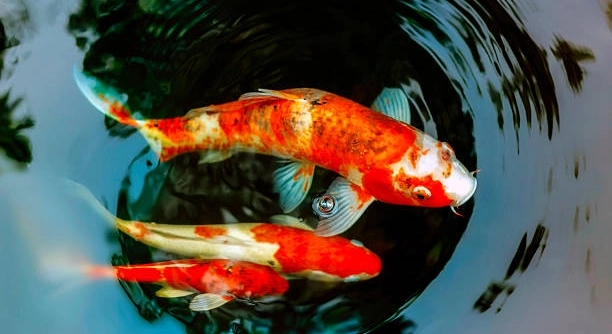
Koi fish are known for their graceful movements and vibrant colors. Many pond owners want to encourage their koi to explore their environment more actively. Creating a stimulating space can enhance the well-being and natural behavior of these fish.
Seven key features can promote koi exploration, including varied water depths, safe hiding spots, aquatic plants, smooth surfaces, gentle water currents, visual barriers, and feeding areas. These elements support curiosity and movement, leading to healthier and more engaged koi in pond settings.
Enhancing your koi pond with these features can improve fish activity and overall pond aesthetics. Understanding each element helps create a balanced environment for koi exploration.
Varied Water Depths Encourage Movement
Providing different water depths in a koi pond invites exploration and natural behavior. Koi enjoy moving between shallow and deeper areas for resting, feeding, or seeking comfort. Shallow spots warm up faster, attracting koi during cooler seasons, while deeper areas offer refuge and cooler temperatures during heat. This variation mimics their natural habitat, encouraging them to swim more actively and engage with their surroundings. Including gradual slopes between depths helps koi transition smoothly, reducing stress. It also benefits pond maintenance by supporting diverse aquatic plants that thrive at different depths, further enriching the environment. A well-designed pond with varied depths offers koi the stimulation they need to stay healthy and curious.
Depth variety not only supports fish health but also improves pond aesthetics. It creates visual interest for viewers and promotes a dynamic aquatic habitat.
Different water depths simulate natural conditions. They provide comfort and safety, encouraging koi to explore and stay active throughout the year.
Safe Hiding Spots Build Confidence
Safe hiding spots are essential for koi to feel secure. These areas reduce stress by providing refuge from predators and intense sunlight. Hiding places can be created with rocks, aquatic plants, or decorative structures. Koi tend to explore more confidently when they know there are safe zones nearby. These spots allow koi to rest and recover, especially during times of change or pond maintenance. Providing multiple hiding spots around the pond encourages exploration of different areas, keeping the fish mentally stimulated. Safe shelters also help koi establish territories, which is important for social interaction within the group. Overall, these features contribute to a balanced and healthy pond environment.
Aquatic Plants Provide Shelter and Interest
Aquatic plants offer koi natural hiding places and foraging opportunities. They create shade and break the pond’s surface, encouraging koi to explore beneath leaves and stems. Plants also improve water quality by absorbing nutrients and providing oxygen.
Plants like water lilies and lotus add visual interest while benefiting koi behavior. Floating plants provide cover that koi use to feel secure. Submerged plants offer places to swim through and search for food. The diversity of plants makes the pond environment more engaging, stimulating natural instincts. Maintaining a healthy plant population requires balancing light and nutrients to prevent overgrowth. Proper plant care supports koi exploration by creating a varied habitat with constant new sights and textures.
A well-planted pond reduces algae growth and improves water clarity. This cleaner environment invites koi to move more freely and confidently, enhancing their activity levels.
Gentle Water Currents Promote Exploration
Gentle currents create movement that encourages koi to swim actively. Flowing water mimics natural streams and rivers, stimulating koi to explore and exercise. Properly designed currents prevent stagnant areas and improve oxygen levels in the pond.
Currents can be created using pumps or waterfalls positioned strategically. The flow should be moderate, avoiding strong surges that could stress koi. Currents help distribute food and nutrients evenly, inviting koi to follow the flow during feeding times. This encourages natural swimming behavior and interaction with the environment. The sound of moving water also reduces stress, creating a calm atmosphere that motivates koi to move. Regular adjustment of water flow ensures the pond remains stimulating without overwhelming the fish. A balanced current system supports koi health and encourages regular activity.
Visual Barriers Encourage Exploration
Visual barriers help koi feel safe by limiting their line of sight. These can be created using plants, rocks, or decorations that break up open spaces in the pond. Barriers reduce stress and encourage koi to explore hidden areas more confidently.
Koi are naturally curious but cautious. Visual barriers offer spots to rest without feeling exposed, promoting frequent movement throughout the pond.
Smooth Surfaces Support Comfortable Movement
Smooth pond surfaces prevent injury and allow koi to glide easily. Rough or sharp edges can cause damage, discouraging koi from exploring. Using smooth rocks and pond liners creates a safe environment that encourages activity.
A comfortable pond environment helps koi feel secure, leading to more natural and frequent swimming behavior.
Feeding Areas Motivate Koi to Explore
Feeding spots placed around the pond encourage koi to move and search for food. Spreading feeding locations prevents territorial disputes and promotes exercise. Regular feeding routines build trust and anticipation, motivating koi to explore different pond sections.
Changing feeding areas slightly over time keeps koi curious and engaged, supporting healthy activity levels.
Safe Water Temperature is Vital
Maintaining stable and appropriate water temperature helps koi remain active. Extreme temperatures cause lethargy or stress, limiting movement. A well-regulated pond climate supports consistent exploration and natural behavior.
FAQ
How do varied water depths affect koi behavior?
Varied water depths give koi a range of environments to choose from. Shallow areas warm up quickly and are good for resting, while deeper zones provide cooler refuge during hot weather. This variety encourages natural swimming patterns and exploration, helping koi stay active and healthy.
Why are safe hiding spots important in a koi pond?
Safe hiding spots reduce stress and help koi feel secure. Koi use these areas to escape predators or harsh sunlight. When they have places to hide, koi are more confident to explore other parts of the pond, which keeps them mentally and physically stimulated.
What types of aquatic plants work best in a koi pond?
Plants like water lilies, lotus, and submerged grasses are ideal. They provide shade, shelter, and foraging areas. Aquatic plants improve water quality by absorbing excess nutrients and oxygenating the water, which benefits both koi health and pond cleanliness.
How do gentle water currents benefit koi?
Gentle currents mimic natural flowing water, encouraging koi to swim more. This movement supports muscle development and overall health. Currents also improve oxygen levels and prevent stagnant zones, creating a more balanced and inviting habitat for koi.
Can visual barriers really influence koi exploration?
Yes, visual barriers help koi feel less exposed by breaking up open areas in the pond. These barriers provide safe resting spots and encourage koi to swim around and investigate new parts of the environment without feeling threatened.
Why are smooth pond surfaces important?
Smooth surfaces protect koi from injuries. Rough or sharp edges can cause cuts and stress, which may lead to infections. Comfortable surfaces allow koi to swim freely and explore the pond without hesitation.
How do feeding areas impact koi activity?
Feeding spots spread around the pond encourage koi to move and search for food. This distribution prevents territorial aggression and promotes exercise. Changing feeding locations occasionally keeps koi curious and engaged, supporting their natural foraging behavior.
What is the ideal water temperature for koi exploration?
Koi thrive in water temperatures between 65°F and 75°F (18°C to 24°C). Temperatures outside this range can cause lethargy or stress, reducing activity. Keeping the water temperature stable encourages consistent movement and natural behavior.
How can I maintain water quality to encourage koi exploration?
Regular cleaning, proper filtration, and balanced plant growth keep water clear and healthy. Good water quality reduces stress and supports koi’s immune system, making them more likely to be active and explore their environment.
Are decorations useful for koi exploration?
Decorations such as rocks, logs, or ceramic caves create points of interest and additional hiding spots. These features diversify the pond environment, encouraging koi to investigate and swim through different areas, which enhances their activity and well-being.
Final thoughts on encouraging koi exploration focus on creating a balanced and comfortable pond environment. The features discussed, such as varied water depths, safe hiding spots, aquatic plants, gentle currents, visual barriers, smooth surfaces, and feeding areas, all work together to promote healthy koi behavior. Each element plays a specific role in making the pond more inviting and stimulating for koi. When combined thoughtfully, these features help koi feel secure and motivated to move, which is important for their overall health and well-being.
It is important to remember that koi need a habitat that mimics their natural surroundings as closely as possible. This includes providing spaces for rest, play, and safety. For example, varied water depths allow koi to regulate their body temperature and explore different parts of the pond. Safe hiding spots reduce stress and encourage confidence. Plants and visual barriers add complexity and cover, which make the environment more interesting. Gentle currents support exercise and oxygenate the water, while smooth surfaces prevent injuries and keep koi comfortable. Feeding areas spread around the pond encourage movement and natural foraging behavior.
Maintaining a pond that encourages exploration requires attention and care. Regular pond maintenance, such as cleaning and monitoring water quality, supports a healthy environment for koi. It is also helpful to observe koi behavior to understand their needs better and make adjustments as necessary. By combining these features thoughtfully and keeping the pond environment well-maintained, koi are more likely to be active and engaged. This leads to a healthier and more enjoyable pond for both the fish and the owner. Creating such an environment is a rewarding process that benefits the koi’s physical health and natural instincts.

Hello,
If you enjoy the content that we create, please consider saying a "Thank You!" by leaving a tip.
Every little bit helps us continue crafting quality advice that supports the health, happiness, and well-being of pets around the world, for pets of all shapes, sizes, and species.
We really appreciate the kindness and support that you show us!