
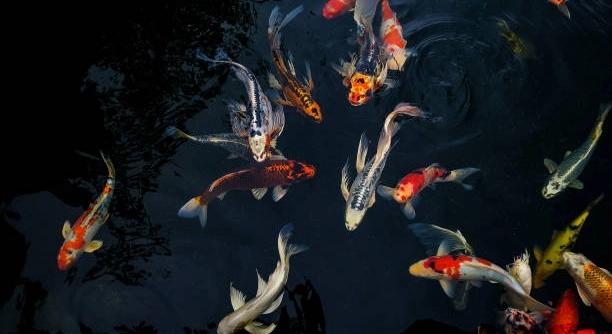
Koi fish are popular in garden ponds for their beauty and calm presence. They move gracefully through their environment, interacting with water, plants, and other fish. Their behavior reveals much about how they use and respond to their space daily.
Koi fish interact with their space through swimming patterns, territorial behavior, feeding habits, and social dynamics. They respond to environmental stimuli, such as light and temperature, adapting their movements to maintain comfort and safety within their habitat.
These interactions show the complexity of koi behavior and their connection to the pond environment. Exploring these details helps understand their needs and enhances their care.
Swimming Patterns and Movement
Koi fish use smooth, flowing movements to navigate their ponds. Their swimming patterns vary based on time of day, water temperature, and their mood. In warmer weather, koi tend to swim more actively near the surface, where oxygen levels are higher. When temperatures drop, they move slower and stay near the bottom. These fish often circle their pond, exploring their environment while establishing familiarity. Swimming also plays a role in social interaction among koi. They may follow each other in groups or maintain distance to assert personal space. Watching koi swim calmly can be soothing and reflects how well they adapt to their habitat. Their movement is a good indicator of their health and comfort.
Swimming is the primary way koi interact with their environment, signaling their condition and mood through motion.
The way koi swim also influences water circulation in the pond, helping to distribute oxygen and nutrients. Their movement prevents stagnation and supports beneficial bacteria. Observing changes in swimming patterns can alert owners to issues such as stress, illness, or poor water quality. Regular movement also encourages koi to exercise, maintaining muscle tone and vitality. This natural behavior contributes to their longevity and well-being, making it an important aspect of koi care.
Feeding Behavior
Koi fish are opportunistic feeders, adjusting their eating habits based on availability and season. They tend to eat more in warmer months when metabolism is higher and slow down during colder periods. Feeding behavior includes surface feeding, bottom foraging, and nibbling on plants or algae. This variety helps maintain a balanced diet and keeps them engaged with their environment. Owners often feed koi by hand, which creates interaction and trust. Overfeeding should be avoided to prevent water quality issues and obesity. Understanding koi feeding habits helps create a suitable feeding schedule and diet plan that supports their health throughout the year.
Territorial Behavior
Koi establish territories mainly to protect food sources and resting spots. They mark these areas by their presence and sometimes chase others away.
Territorial behavior varies by pond size and koi population. In smaller ponds, koi are more likely to compete for limited space. Dominant fish may assert control over favored areas, while less dominant ones avoid conflict by keeping distance. This behavior helps maintain order and reduces stress within the group. It is important to provide enough space and hiding places to minimize aggression. Observing koi interactions can reveal which fish are dominant and how well the group coexists.
Territoriality also influences koi’s choice of resting spots. They prefer safe, comfortable areas with good cover. This behavior ensures they have quiet places to retreat, rest, and avoid unnecessary confrontation. Proper pond design should consider these preferences to support koi wellbeing.
Social Interaction and Group Dynamics
Koi are social animals that prefer living in groups. Their interactions include schooling, chasing, and sometimes playful nudging. This behavior strengthens bonds and establishes a social hierarchy that keeps the group stable.
Within a group, koi communicate through body language and movement. They recognize each other and respond differently to familiar fish versus strangers. Group dynamics influence feeding order, swimming patterns, and territorial boundaries. Social cohesion reduces stress and improves health by creating a predictable environment. Koi owners should monitor these interactions to identify any signs of bullying or distress. Providing enough space and hiding spots supports positive social behavior. The balance between cooperation and competition within koi groups shapes their daily activities and overall happiness.
Response to Light and Shadows
Koi react noticeably to changes in light and shadows in their pond. Bright sunlight often makes them seek shaded or deeper areas for comfort.
Shadows can trigger curiosity or caution. Sudden movements or dark shapes above the water may cause koi to scatter or hide temporarily, showing their natural instincts to avoid potential threats.
Interaction With Plants
Koi use plants in the pond for shelter, resting spots, and sometimes as a food source. They nibble gently on soft leaves but rarely cause significant damage.
Plants also provide shade and improve water quality. Well-planted ponds create a balanced environment that supports koi health and reduces stress, benefiting both fish and plants alike.
Resting and Hiding Spots
Koi need quiet places to rest and feel safe. They often choose deeper areas, under rocks, or dense plant clusters to hide from disturbance. Providing these spots helps koi maintain calm and reduces stress, supporting their overall well-being.
How do koi fish choose their resting spots?
Koi typically choose resting spots that feel safe and comfortable. They prefer deeper areas of the pond where they are less exposed to predators and bright light. Dense plants, rocks, or shaded corners provide good cover. These spots allow koi to relax without feeling threatened. Temperature and water flow also influence their choice—calmer, slightly warmer areas are favored. Providing several resting options in the pond encourages koi to feel secure and helps reduce stress, improving their overall health.
Why do koi sometimes chase each other?
Chasing among koi is often a way to establish dominance or defend territory. It can also happen during feeding times when competition for food increases. While occasional chasing is normal, excessive aggression might indicate overcrowding or insufficient resources. Ensuring enough space and feeding areas reduces conflict. Observing koi behavior helps owners understand group dynamics and intervene if needed. Chasing also plays a role in social structure, helping koi recognize hierarchies and maintain order within the group.
Can koi fish recognize their owners?
Yes, koi can recognize people who regularly feed or interact with them. They remember faces and approach owners at feeding times. This recognition is linked to positive experiences like feeding and gentle interaction. Koi may swim to the surface or follow movements when they see a familiar person. This behavior shows trust and comfort. Regular, calm interaction strengthens this bond. However, koi do not form attachments like pets such as dogs or cats but do learn to associate owners with food and safety.
How do koi fish react to changes in water temperature?
Koi are cold-water fish but prefer moderate temperatures between 59°F and 77°F (15°C and 25°C). When water gets colder, their metabolism slows, and they become less active, often resting near the pond bottom. In warmer water, koi are more energetic and swim closer to the surface. Sudden temperature changes can stress koi, making them vulnerable to illness. Proper pond design and maintenance help keep temperature fluctuations minimal, ensuring koi stay comfortable year-round.
What causes koi to hide suddenly?
Koi hide when they feel threatened or stressed. Sudden loud noises, shadows, or movement above the water can startle them. Poor water quality, illness, or overcrowding also make koi seek hiding places. Hiding is a natural defense mechanism to avoid predators or harmful conditions. Regularly checking pond conditions and minimizing disturbances helps koi feel secure and reduces hiding behavior.
Do koi communicate with each other?
Koi communicate mostly through body language and movement. Changes in swimming speed, chasing, or nudging are ways they interact. These signals establish social order, coordinate feeding, and show dominance or submission. While koi don’t vocalize, their behavior conveys moods and intentions within the group. Understanding these signs helps owners manage koi groups better and create a peaceful environment.
Is it normal for koi to nibble on pond plants?
Yes, koi nibble on soft pond plants as part of their diet and curiosity. They rarely damage hardy plants but may gently eat leaves or algae. This nibbling helps keep plants trimmed and can reduce algae growth. Providing a variety of foods ensures koi don’t rely solely on plants, maintaining pond balance. Choosing sturdy plant species minimizes damage and supports both fish and plants.
How much space does each koi need?
Each koi ideally requires about 250 gallons (950 liters) of water. Adequate space allows for swimming, territorial behavior, and healthy social interaction. Overcrowding causes stress, poor water quality, and aggression. Larger ponds with proper filtration provide the best environment. Space considerations include pond depth and surface area. Proper pond sizing supports koi health and longevity.
Why do koi sometimes swim near the surface?
Koi swim near the surface to feed, especially during warm weather when food is more abundant. Surface swimming also helps them get more oxygen, which is higher near the water’s surface. When oxygen levels drop, koi may stay near the top to breathe easier. This behavior is normal but can signal water quality issues if frequent or excessive. Regular maintenance keeps oxygen levels balanced and koi comfortable.
How can I tell if my koi is healthy?
Healthy koi swim actively, have clear eyes, smooth scales, and a strong appetite. They respond to feeding and interact normally with other fish. Signs of illness include lethargy, clamped fins, discoloration, or visible wounds. Monitoring behavior and water quality regularly helps detect problems early. Healthy koi reflect good pond conditions and proper care, making observation a key part of koi keeping.
Final thoughts on koi fish behavior highlight the importance of understanding how these animals interact with their environment. Koi are not just colorful pond decorations; they are living creatures with distinct habits and preferences. Recognizing how they use space can help create a healthier and more balanced pond. Their territorial nature, social dynamics, and responses to light, plants, and hiding spots all play a role in their daily lives. Providing a suitable environment with enough room, clean water, and natural elements benefits koi by reducing stress and encouraging natural behavior.
Paying attention to koi interactions offers insight into their wellbeing. For example, territorial disputes and chasing are normal but should not be excessive. Social behavior such as schooling and gentle nudging helps establish group harmony. Koi also rely on plants and shaded areas for shelter and food, which means a well-planned pond with a variety of plants is important. Observing their reactions to light and shadows can reveal how comfortable they feel in different parts of the pond. Ensuring these needs are met supports koi health and longevity.
Overall, successful koi keeping depends on providing a space that meets their behavioral and physical needs. Thoughtful pond design, including space allocation, plant placement, and creating hiding spots, allows koi to express natural behaviors. Monitoring water quality and temperature further enhances their environment. Understanding koi interactions with their space is key to maintaining a thriving pond ecosystem. This knowledge benefits both the koi and their caretakers by promoting a peaceful, vibrant aquatic setting.

Hello,
If you enjoy the content that we create, please consider saying a "Thank You!" by leaving a tip.
Every little bit helps us continue crafting quality advice that supports the health, happiness, and well-being of pets around the world, for pets of all shapes, sizes, and species.
We really appreciate the kindness and support that you show us!