
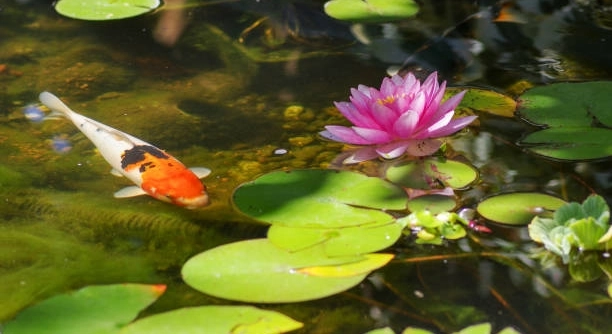
Small ponds often seem like peaceful places for fish and plants to thrive. However, when too many creatures share a limited space, problems can quickly arise. Understanding these issues can help maintain a healthy pond environment.
Overcrowding in small ponds leads to reduced oxygen levels, increased waste buildup, and heightened stress among aquatic life. These conditions disrupt the ecosystem balance and can cause illness, slower growth, and even death of pond inhabitants.
Knowing the effects of overcrowding helps pond owners take better care of their water habitats. This article outlines key consequences and offers insight into maintaining a balanced pond environment.
Reduced Oxygen Levels
When too many fish and plants crowd a small pond, oxygen levels drop quickly. Fish and other aquatic animals need oxygen dissolved in the water to survive. With overcrowding, oxygen gets used up faster than it can be replaced by natural processes like photosynthesis or surface exchange. This shortage can cause fish to gasp at the surface or become lethargic. Plants may also suffer as they compete for limited resources. Without enough oxygen, the entire pond ecosystem becomes stressed, leading to weaker health for all creatures living there. In severe cases, fish kills can occur, damaging the balance of the pond life. It’s important to monitor oxygen levels regularly, especially during hot weather when oxygen naturally decreases. Aeration tools or adding aquatic plants that produce oxygen can help improve conditions and support pond life.
Oxygen depletion is a key problem caused by overcrowding and should be addressed to keep pond life healthy.
Maintaining good oxygen levels means avoiding overstocking your pond. Installing aerators or fountains can increase water movement and oxygen intake. Additionally, keeping the pond clean from excess organic matter reduces oxygen use during decomposition. Adding floating plants like water lilies can shade the water, preventing it from getting too warm, which helps oxygen stay dissolved longer. Regularly checking fish numbers and removing excess can restore balance. This careful approach creates a healthier pond where fish and plants thrive together.
Increased Waste Buildup
Too many animals produce more waste than the pond can handle, polluting the water quickly.
Excess waste raises toxins like ammonia and nitrites, which are harmful to fish. The pond’s natural filtration struggles under heavy waste loads, leading to murky water and foul smells. This buildup also encourages algae growth, further lowering oxygen. Cleaning and partial water changes become necessary more often. Using a biological filter helps break down waste but works best with moderate fish populations. Regular maintenance and careful stocking are vital to prevent these issues and keep the pond clear and healthy.
Heightened Stress Among Pond Life
Overcrowding causes stress in fish and other pond animals. Stress weakens their immune systems and makes them more prone to disease.
Fish compete for food and space, often leading to aggressive behavior. Stress also affects breeding success, reducing healthy offspring. Constant disturbance lowers overall health, making it hard for fish to thrive.
To reduce stress, ensure enough space and hiding spots. Keep the pond balanced with fewer animals and provide proper food. Regular water checks help maintain a calm, healthy environment that supports pond life well.
Decline in Water Quality
Overcrowding leads to poor water quality, affecting all pond life. Increased waste and decaying matter release harmful substances into the water.
Ammonia and nitrite levels rise quickly, causing toxic conditions. Cloudy water and foul odors become common. This environment encourages algae blooms, which further reduce oxygen. Poor water quality stresses animals and plants, often resulting in illness or death. Frequent water changes and proper filtration are necessary to control these effects. Reducing the number of pond inhabitants also helps keep water clean and safe. Maintaining a good balance is essential for a healthy pond ecosystem.
Algae Overgrowth
Overcrowding causes excess nutrients to build up, feeding algae growth. This results in thick green water that blocks sunlight.
Too much algae reduces oxygen and harms plants and fish. Controlling nutrient levels helps prevent algae blooms and keeps the pond balanced.
Increased Disease Risk
When many animals share a small space, diseases spread quickly. Close contact allows infections to move from one fish to another easily. Overcrowding weakens immune systems, making fish more vulnerable. Regular health checks and keeping populations balanced are important to reduce outbreaks and keep the pond healthy.
Poor Plant Growth
Crowded ponds limit light and nutrients available to plants. Algae and murky water block sunlight needed for photosynthesis. Plants struggle to grow and die off, which harms oxygen levels and the pond’s natural balance.
Fish Growth Stunting
Limited space and poor water conditions slow fish growth. Overcrowded fish don’t get enough food or clean water. This results in smaller, weaker fish that are less healthy overall.
FAQ
What are the signs of overcrowding in a small pond?
Signs include cloudy or green water, fish gasping at the surface, aggressive behavior among fish, and a noticeable foul smell. You may also see algae blooms and dying plants. Fish might look smaller or less active than usual. If water tests show high ammonia or nitrite levels, overcrowding is likely a problem.
How can I reduce overcrowding in my pond?
The best way is to remove some fish or aquatic animals until the population matches the pond size. You can also add plants to help balance the ecosystem and improve water quality. Installing aeration equipment, like fountains or air pumps, increases oxygen levels and reduces stress on pond life. Regular cleaning and water changes also help.
Is there a limit to how many fish a small pond can hold?
Yes, each pond has a carrying capacity based on its size, depth, and filtration. A common rule is one inch of fish per ten gallons of water, but this varies with species and pond conditions. Overcrowding happens when fish exceed the pond’s ability to provide enough oxygen, space, and clean water.
How often should I check my pond’s water quality?
Testing water weekly or biweekly is ideal, especially during warm months when oxygen drops faster. Check parameters like ammonia, nitrite, nitrate, and pH. Keeping these balanced prevents many issues caused by overcrowding. Regular observation of fish behavior and plant health is also important.
Can overcrowding cause fish to die suddenly?
Yes, overcrowding can cause sudden fish deaths. Low oxygen levels, toxic waste buildup, and disease spread quickly in crowded conditions. Stress weakens fish, making them less able to survive infections or poor water quality. Acting fast to reduce population and improve water helps save the remaining fish.
What plants help improve pond health in overcrowded conditions?
Floating plants like water lilies and duckweed provide shade, reducing algae growth and oxygen loss. Submerged plants such as hornwort and anacharis add oxygen to the water. Marginal plants like cattails help absorb excess nutrients. These plants create a healthier environment that supports pond balance.
Can aeration solve overcrowding problems?
Aeration improves oxygen levels and water circulation, which helps reduce stress and waste buildup. While it doesn’t fix overcrowding itself, it can ease some effects and buy time to manage fish numbers. Aerators should be used alongside population control and regular maintenance for best results.
How does overcrowding affect fish breeding?
Overcrowded ponds make breeding difficult. Stress reduces fish fertility and success in raising young. Aggressive behavior increases, causing harm to eggs and fry. Providing enough space, hiding spots, and a clean environment encourages healthier reproduction and stronger offspring.
What is the impact of overcrowding on pond plants?
Overcrowding increases nutrients and algae, blocking sunlight that plants need. Poor light and oxygen conditions stunt plant growth or kill them off. This loss reduces oxygen production and filtration, worsening water quality. Maintaining balance helps plants thrive alongside fish.
How often should I clean my pond if overcrowded?
Cleaning should be more frequent in overcrowded ponds, usually every 1-2 weeks. Remove excess debris, dead plants, and excess organic waste to lower nutrient buildup. Partial water changes help dilute harmful substances. Consistent cleaning supports a healthier environment and reduces stress on pond life.
What immediate steps can I take if I notice overcrowding effects?
Start by removing some fish to reduce population pressure. Increase aeration and water circulation. Test and improve water quality with partial changes. Remove dead plants and clean debris. Adding beneficial plants can help balance nutrients. Monitoring closely will prevent further damage.
Can overcrowding cause long-term damage to a pond ecosystem?
Yes, long-term overcrowding disrupts natural balance. Fish populations may decline due to illness and poor growth. Plants may disappear, reducing oxygen and filtration. Toxic buildup harms all pond life. Restoring balance through population control and maintenance is necessary to recover pond health.
Are some fish species more tolerant of overcrowding?
Some species tolerate crowded conditions better but still need space and clean water. Hardy fish like goldfish and koi can handle more crowded ponds but still suffer from stress and disease if overcrowded. Even tolerant species benefit from proper stocking and good pond care.
What role does temperature play in overcrowding effects?
Higher temperatures reduce oxygen levels and increase fish metabolism, meaning they need more oxygen and produce more waste. Overcrowding combined with warm water worsens stress and water quality problems. Cooler temperatures help, but good population control remains essential.
Can I prevent overcrowding when starting a new pond?
Yes, plan fish numbers carefully based on pond size and filtration. Introduce fish slowly and monitor growth. Use plants and aeration from the start to support the ecosystem. Regular maintenance and water testing will help you avoid overcrowding before it becomes a problem.
Overcrowding in small ponds creates many challenges for both the water environment and the living creatures inside. When too many fish and plants share a limited space, it causes lower oxygen levels, more waste buildup, and increased stress among animals. These problems can harm the health of fish and plants, sometimes leading to sickness or death. Keeping the pond balanced with the right number of fish and regular maintenance is important to avoid these issues. A healthy pond supports all its inhabitants and looks clear and calm.
Proper care for a small pond means paying attention to water quality and the number of animals living there. Regular water testing helps catch problems like high ammonia or low oxygen early, before they become serious. Removing extra fish when needed and adding plants that help filter the water can improve the pond’s condition. Aeration devices like fountains or air pumps also increase oxygen and reduce stress on fish. Taking these steps ensures that the pond environment stays stable and comfortable for all living things.
It is easy to overlook how much space and clean water fish need to thrive. Overcrowding might seem harmless at first, but it can quickly lead to harmful effects that are hard to fix later. Being mindful about pond size and the number of fish helps avoid these troubles. With careful monitoring and simple care, small ponds can remain healthy and enjoyable places for fish, plants, and those who care for them. Keeping balance in the pond is the best way to protect its life and beauty.

Hello,
If you enjoy the content that we create, please consider saying a "Thank You!" by leaving a tip.
Every little bit helps us continue crafting quality advice that supports the health, happiness, and well-being of pets around the world, for pets of all shapes, sizes, and species.
We really appreciate the kindness and support that you show us!