
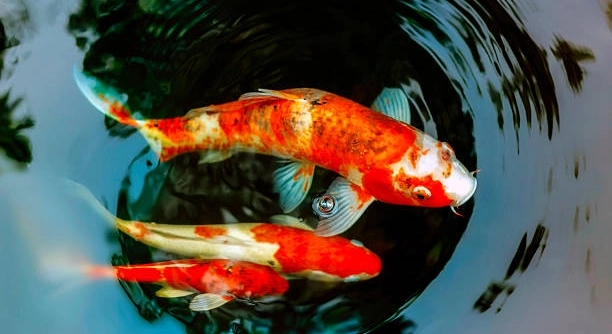
Koi ponds can develop foam on the water surface, which may look unsightly and affect water quality. Foam often appears due to natural pond conditions and can be frustrating for pond owners seeking clear, clean water.
Preventing foam formation in koi ponds primarily involves managing water quality by reducing organic waste, ensuring proper filtration, and maintaining adequate aeration. Regular cleaning and avoiding overfeeding also play critical roles in minimizing foam buildup.
Understanding how to control these factors will help maintain a healthier pond environment and keep your koi water clear and visually appealing throughout the year.
Common Causes of Foam in Koi Ponds
Foam in koi ponds usually forms because of excess organic material breaking down in the water. Fish waste, uneaten food, and decaying plants release proteins and oils that accumulate on the surface. When water is agitated, these substances create foam. Another factor is water hardness and pH balance, which can influence foam formation. Hard water or unbalanced pH levels may cause bubbles to last longer, making foam more visible. Algae blooms can also contribute by releasing organic matter into the water. Seasonal changes can increase foam as temperatures rise, accelerating decomposition processes. It is important to monitor water parameters regularly to identify any shifts that might encourage foam. In many cases, improving water circulation and cleaning the pond can reduce foam naturally. Understanding these causes helps in targeting the right prevention methods and keeping the pond environment stable.
Foam tends to form more easily in ponds with poor filtration or limited water movement.
Proper maintenance and water quality management are essential to reduce foam and promote a healthier habitat for koi fish.
How Filtration and Aeration Help Reduce Foam
Effective filtration removes excess organic waste and particles that cause foam formation. Mechanical filters capture debris while biological filters break down harmful substances through beneficial bacteria. Both types are essential for keeping water clean. Aeration increases oxygen levels and improves water circulation, preventing stagnant areas where foam can gather. Air pumps or fountains can help move water and break up foam before it builds up. Regularly cleaning filter media ensures the system works efficiently. Overfeeding fish contributes to waste buildup, so feeding only what koi can eat in a few minutes helps maintain water quality. Proper filtration and aeration work together to create a balanced ecosystem, reducing the risk of foam while supporting fish health. Investing in reliable filtration and aeration systems is a practical approach to maintaining a clear, foam-free koi pond throughout the year.
Managing Organic Waste to Control Foam
Removing excess organic waste reduces foam formation significantly. Decaying leaves, fish waste, and uneaten food must be cleared regularly. Using a pond vacuum or net can help keep the pond clean.
Consistent removal of organic debris prevents the buildup of proteins and oils that cause foam. Skimming the surface daily and cleaning the pond bottom weekly can limit these materials. Fish produce waste continuously, so feeding less helps reduce leftover food and waste. Avoiding overfeeding keeps the water cleaner and lowers foam risk. Regular water changes also dilute organic compounds, improving water quality. Maintaining a balanced pond environment is essential to control foam naturally.
Biological filters with beneficial bacteria help break down organic waste into harmless substances. Supporting these bacteria by avoiding harsh chemicals maintains efficient filtration. Combined with regular cleaning, these practices help keep your koi pond clear and foam-free.
Adjusting Water Chemistry for Better Results
Balancing water pH and hardness reduces foam persistence. Ideal pH for koi ponds is between 7.0 and 8.0, while moderate hardness supports fish health and water clarity. Testing water weekly helps monitor these parameters. If pH is too high or low, adding buffers can stabilize it. Correct hardness prevents excessive bubble formation that leads to foam. Using natural products like crushed coral adjusts hardness gently. Sudden changes in water chemistry stress fish and disrupt pond balance, so adjustments must be gradual. Maintaining stable water chemistry improves filtration efficiency and minimizes foam development. This control supports healthier koi and a cleaner pond environment.
Regular Pond Cleaning Techniques
Removing debris from the pond surface prevents foam buildup. Use a fine net to scoop leaves and other floating materials daily.
Cleaning the pond bottom with a vacuum helps eliminate settled waste. This reduces organic matter that breaks down and causes foam over time.
Proper Feeding Practices for Foam Reduction
Overfeeding koi fish leads to leftover food that decomposes, increasing foam formation. Feed small amounts that fish can consume within five minutes.
Avoid feeding at night when fish are less active to reduce waste buildup. Feeding quality food helps improve digestion and lowers excess waste in the pond.
Using Anti-Foam Products
Anti-foam agents can temporarily reduce foam on pond surfaces. These products break down bubbles quickly but do not fix underlying water quality issues.
Use them sparingly as a short-term solution while addressing causes like excess organic waste and poor filtration.
Monitoring Water Temperature
Water temperature affects foam formation because warmer water speeds up decomposition. Keep an eye on temperature changes, especially during hot weather.
FAQ
Why does foam form on koi pond water?
Foam forms mainly because of excess organic materials like fish waste, uneaten food, and decaying plants releasing proteins and oils. When water is disturbed, these substances trap air and create bubbles that cluster on the surface, appearing as foam. Changes in water chemistry or temperature can also make foam more noticeable.
Is foam harmful to koi fish?
Generally, foam itself is not harmful to koi fish. However, foam often signals poor water quality, which can stress fish and lead to health problems if left unaddressed. It is important to treat the root causes, such as excess waste or poor filtration, rather than just the foam.
Can I use household detergents or soaps to remove foam?
No, household detergents or soaps should never be used in koi ponds. These chemicals can be toxic to fish and disrupt the pond’s natural balance. Instead, focus on proper pond maintenance and natural methods like improved filtration and cleaning to control foam safely.
How often should I clean my koi pond to prevent foam?
Regular cleaning is essential. Skim the pond surface daily to remove debris, and clean the pond bottom weekly or biweekly with a vacuum. Also, check and clean filter media every few weeks to ensure efficient filtration. Consistency in maintenance greatly reduces foam problems.
What type of filtration is best for preventing foam?
A combination of mechanical and biological filtration works best. Mechanical filters remove solid particles, while biological filters support beneficial bacteria that break down organic waste. Both are necessary to reduce foam by keeping water clear and balanced.
Does aeration help with foam control?
Yes, aeration improves water circulation and oxygen levels, which helps break up foam and prevents stagnant areas where foam can accumulate. Using air pumps or fountains can effectively reduce foam buildup and support a healthier pond environment.
How does overfeeding affect foam formation?
Overfeeding koi results in uneaten food settling at the bottom and decomposing, releasing proteins and oils that cause foam. Feeding small portions that fish can consume quickly limits waste and helps keep the water cleaner and foam-free.
Can changes in water chemistry cause foam?
Yes, unbalanced pH or hardness can cause bubbles to last longer and increase foam visibility. Maintaining a pH between 7.0 and 8.0 and moderate water hardness helps reduce foam persistence and supports overall pond health.
Are there safe products to reduce foam in koi ponds?
Anti-foam products are available, but they only offer temporary relief by breaking down bubbles. They do not solve underlying water quality issues and should be used sparingly, combined with proper pond care to be effective.
How does temperature affect foam in koi ponds?
Warmer water speeds up the breakdown of organic matter, which releases more proteins and oils causing foam. Monitoring and managing water temperature, especially during summer, can help reduce foam problems by slowing decomposition rates.
Can algae cause foam in koi ponds?
Algae blooms contribute to foam by releasing organic substances into the water as they grow and decay. Controlling algae growth through proper filtration, aeration, and limiting excess nutrients helps reduce foam formation.
What is the role of beneficial bacteria in foam prevention?
Beneficial bacteria in biological filters break down organic waste into harmless compounds, reducing the material that causes foam. Supporting these bacteria by avoiding harsh chemicals and maintaining filter health is crucial for foam control.
Is foam a sign of an unhealthy pond?
Foam often indicates excess organic waste or imbalanced water chemistry, which suggests that the pond’s ecosystem is not fully balanced. Addressing these issues through maintenance can restore water quality and reduce foam.
Can regular water changes help prevent foam?
Yes, performing partial water changes dilutes organic compounds and pollutants that contribute to foam. Changing 10-20% of the water regularly helps maintain better water quality and reduces foam buildup.
How can I test my pond water for foam-related issues?
Use water testing kits to check pH, hardness, ammonia, nitrites, and nitrates. Abnormal levels often correlate with foam problems. Regular testing helps catch issues early and guides appropriate treatment to maintain clear, healthy water.
Final Thoughts
Maintaining a koi pond without foam requires consistent effort and attention to detail. Foam on pond water is often a sign of excess organic materials and imbalanced water conditions. By regularly cleaning the pond, removing debris, and managing fish feeding, you reduce the buildup of substances that cause foam. These simple daily and weekly tasks help create a clearer, healthier environment for koi fish to thrive. Over time, these habits become routine and help prevent foam problems before they start.
Water chemistry plays a significant role in foam formation. Keeping pH and hardness within the recommended ranges supports a balanced ecosystem that discourages foam. Testing water regularly allows timely adjustments and prevents sudden changes that can stress fish and promote foam. Proper filtration and aeration systems are also critical. They remove waste and improve oxygen levels, breaking down materials that contribute to foam and improving overall water clarity. Combining these steps results in a more stable pond environment.
Using anti-foam products can provide quick relief, but they are not a permanent solution. It is important to focus on underlying causes rather than just the symptoms. Addressing organic waste, feeding habits, and water quality leads to long-term control. Patience and consistent maintenance are key. Understanding these factors and acting on them will keep your koi pond clean and reduce foam, ensuring a pleasant and healthy space for your fish.

Hello,
If you enjoy the content that we create, please consider saying a "Thank You!" by leaving a tip.
Every little bit helps us continue crafting quality advice that supports the health, happiness, and well-being of pets around the world, for pets of all shapes, sizes, and species.
We really appreciate the kindness and support that you show us!