
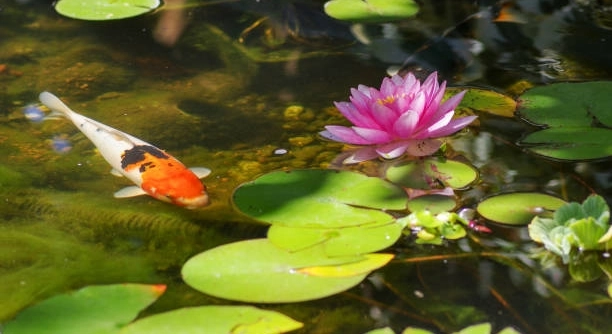
Koi fish are popular in ponds and gardens because of their bright colors and graceful movements. Sometimes, however, koi may avoid each other, which can seem unusual for these social fish. Understanding this behavior helps keep them healthy and happy.
Koi fish might avoid each other due to factors like territorial instincts, stress, or competition for food and space. These behaviors help them reduce conflict and maintain balance within their environment, especially in crowded or changing pond conditions.
Learning about koi interactions can improve how you care for them and create a peaceful pond environment. This insight helps promote harmony among your fish.
Reasons Koi Fish Avoid Each Other
Koi fish often avoid each other because they need space to feel safe. When ponds are crowded, koi can become stressed and try to keep their distance. Territorial behavior is common; some koi like to claim a spot and stay there. If new fish are introduced, established koi might keep away until they feel comfortable. Changes in water quality or temperature can also make koi less social, causing them to hide or swim separately. Sometimes, koi simply have different personalities—some are shy, while others are more outgoing. Understanding these reasons helps to create an environment where koi can coexist peacefully without constant conflict.
Avoidance can also happen when koi compete for food. Those that are less aggressive might stay back to avoid fights, especially during feeding time.
Recognizing why koi avoid each other makes it easier to manage the pond properly. By giving them enough space and a calm environment, you can reduce stress and help your koi enjoy their home together.
How to Encourage Harmony in Your Koi Pond
Keeping a pond peaceful requires attention to space and water conditions.
Providing enough room for each koi reduces stress and territorial disputes. Clean water with stable temperature also encourages calm behavior. Feeding fish regularly helps lower competition for food. Introducing new koi slowly allows others to adjust without feeling threatened. Adding plants or decorations gives fish places to hide and feel safe. Watching koi behavior closely will help you spot problems early and make changes before issues grow. This simple care keeps koi comfortable and more likely to swim together without avoiding each other.
Common Signs of Koi Avoidance
Koi that avoid each other often swim alone or stay hidden. They may move quickly away when other fish approach. Changes in appetite or less activity can also indicate stress from avoiding others.
When koi keep their distance, you might notice them scattered around the pond instead of swimming in groups. Sometimes, one fish dominates feeding areas, making others stay back. Avoidance can also show as hiding behind plants or decorations more than usual. These signs suggest koi feel uncomfortable or threatened in their environment, which can affect their health if not addressed.
Observing koi behavior regularly helps catch avoidance early. Acting quickly by adjusting space, feeding routines, or water quality can improve how koi interact. Providing calm and enough room reduces tension, encouraging koi to swim and feed together more naturally.
Adjusting Your Pond Setup for Better Fish Interaction
Increasing pond size or rearranging decorations can help koi feel less crowded.
Plants and hiding spots create safe areas for shy koi, helping reduce stress. A balanced number of fish prevents competition and territorial fights. Proper filtration and water flow keep water clean and oxygen-rich, improving overall health and behavior. By offering a comfortable environment, koi are more likely to swim freely and interact peacefully. Making small changes often brings big improvements in koi social life, helping them avoid stress and live harmoniously.
Managing Aggression Among Koi
Aggression often causes koi to avoid each other. Some koi are naturally more dominant and may chase or nip at others.
Separating aggressive fish or adding more hiding spots can reduce conflicts. This helps shy koi feel safer and encourages peaceful swimming.
Feeding Habits That Affect Koi Behavior
Uneven feeding can lead to competition, making some koi avoid others. Feeding small amounts frequently helps reduce aggression.
Using feeding rings or spreading food evenly across the pond gives all koi a chance to eat without crowding. Consistent feeding schedules also keep koi calmer and less likely to fight over food.
Water Quality’s Role in Fish Interaction
Poor water quality stresses koi, which can make them avoid others. Regular testing and cleaning improve their health and social behavior.
The Importance of Routine Observation
Watching your koi regularly helps spot early signs of stress or avoidance. This allows for quick action to keep the pond peaceful.
Why do koi fish sometimes swim alone?
Koi often swim alone when they feel stressed or threatened by other fish. This can happen if the pond is too crowded, or if there is not enough space for each fish to have its own territory. Some koi are naturally shy and prefer to stay away from others to feel safe. When water conditions change suddenly, koi may also separate to avoid stress. Observing your koi’s behavior can help identify if swimming alone is due to health issues or social tension. Making sure the pond has enough room and hiding spots encourages koi to swim more comfortably together.
How can I tell if my koi are stressed?
Signs of stress in koi include hiding more than usual, loss of appetite, erratic swimming, or staying near the surface or bottom of the pond. Stress can come from poor water quality, overcrowding, or aggressive tank mates. If you notice color fading or clamped fins, it might also mean your koi are stressed. Regular water tests and observing koi behavior help catch stress early. Reducing noise around the pond and avoiding sudden changes in the environment can calm stressed koi.
What should I do if my koi are fighting?
If koi are fighting, try increasing the pond size or adding more hiding places like plants and rocks. Sometimes separating the aggressive fish temporarily helps calm the group. Feeding fish in multiple spots reduces competition. Check water quality, as poor conditions can raise aggression levels. Monitor fish closely and remove any injured koi to prevent infections. Over time, koi usually settle into a social order, but making the environment peaceful speeds this process.
Is it normal for koi to avoid new fish?
Yes, koi often avoid new fish when first introduced. This is a natural response as they need time to adjust to new members in their space. The established koi may be territorial, and the newcomers might be shy. Introducing new koi slowly and quarantining them beforehand reduces stress and disease risk. Observing interactions and giving the pond time to settle helps koi accept new companions. Adding plants or structures also gives fish places to hide during this adjustment period.
Can feeding habits change koi behavior?
Feeding habits greatly affect koi behavior. Uneven feeding or feeding too much at once can cause competition and stress. Feeding small amounts more frequently encourages peaceful eating. Using feeding rings or spreading food across the pond ensures all koi get their share. Overfeeding leads to poor water quality, which makes koi stressed and more likely to avoid each other. Maintaining a consistent feeding routine helps koi stay calm and healthy.
How important is water quality for koi social behavior?
Water quality is very important for koi health and social behavior. Poor water quality causes stress, which leads to avoidance and aggression among fish. Regularly testing the water for ammonia, nitrites, pH, and oxygen levels keeps conditions stable. Clean water reduces disease risk and keeps koi active and social. Proper filtration and regular water changes are necessary to maintain a healthy environment. Healthy koi are more likely to swim and feed together peacefully.
What role do hiding spots play in koi behavior?
Hiding spots help reduce stress and aggression in koi ponds. Plants, rocks, and decorations give shy or weaker fish places to escape from more dominant koi. This encourages natural behavior and reduces fights. When koi feel safe, they are less likely to avoid others. Providing enough hiding spaces balances pond life and makes koi feel secure. Over time, this leads to a more harmonious group of fish.
How often should I observe my koi to prevent issues?
Daily observation is best for keeping koi healthy and happy. Watching koi swim, eat, and interact helps spot early signs of stress, illness, or avoidance. Early action can prevent bigger problems later. Checking water quality regularly supports this care routine. Spending a few minutes each day with your koi builds understanding and helps you create the best pond environment possible.
When koi fish avoid each other, it often shows that something in their environment needs attention. It could be related to space, water quality, or the social dynamics among the fish. Koi are social creatures, but they still need enough room to feel comfortable and avoid stress. Overcrowded ponds or sudden changes can make koi act differently and keep their distance from each other. By paying close attention to their behavior, it becomes easier to spot when koi are avoiding one another and understand the reasons behind it.
Providing a balanced environment is key to helping koi live peacefully together. This means making sure the pond is large enough and has plenty of hiding places, like plants or decorations. These safe spots allow shy or less dominant koi to feel secure. Regularly checking and maintaining good water quality also plays a big role in reducing stress among fish. Clean water with the right temperature and oxygen levels keeps koi healthy and encourages social behavior. Feeding them properly, with small and frequent meals, can lower competition and aggression. These small but important steps can make a big difference in how your koi interact.
Taking time to watch your koi and learn their habits is very helpful. Koi can show subtle signs when they are stressed or uncomfortable, such as swimming alone or hiding more than usual. By catching these signs early, changes can be made to improve their environment. Over time, creating a calm, clean, and spacious pond will help koi feel safe and more likely to swim together peacefully. Understanding and caring for these details supports the well-being of your fish and creates a pleasant pond that you can enjoy.

Hello,
If you enjoy the content that we create, please consider saying a "Thank You!" by leaving a tip.
Every little bit helps us continue crafting quality advice that supports the health, happiness, and well-being of pets around the world, for pets of all shapes, sizes, and species.
We really appreciate the kindness and support that you show us!