
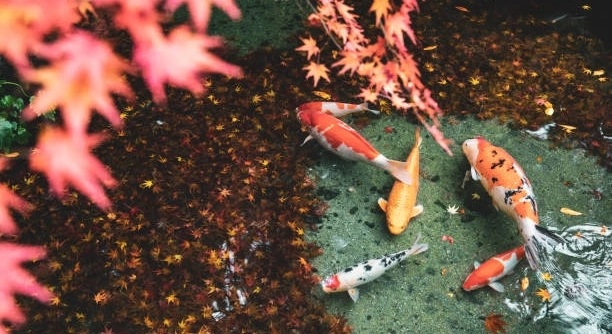
Caring for koi fish means keeping their environment safe and comfortable. Injuries can happen easily if their pond has sharp edges or poor water quality. Many koi owners want to know how to protect their fish from harm.
Preventing koi injuries involves maintaining clean water, removing sharp objects from the pond, and providing ample space for swimming. Regular checks and gentle handling also reduce stress and help fish avoid accidents.
Understanding these basics will help you create a safer home for your koi and keep them healthy for years to come.
Creating a Safe Pond Environment
A safe pond environment is the foundation for preventing koi injuries. Start by inspecting the pond for sharp rocks, jagged edges, or broken decorations that can harm the fish. Smooth any rough surfaces or replace harmful objects with rounded, fish-safe materials. The pond should have gentle slopes and avoid sudden drops that might cause stress or injury. Water quality also plays a big role—keeping the water clean and well-filtered reduces the risk of infections from minor cuts or scrapes. Regular water testing helps maintain the right balance of pH, ammonia, nitrites, and nitrates. Plants can provide shade and shelter but avoid thorny or rough species. Finally, ensure the pond is large enough to prevent overcrowding, as tight spaces lead to aggressive behavior and accidents. Taking these steps creates a comfortable, injury-free environment for your koi to thrive.
Keeping the pond tidy and free of hazards takes consistent effort but greatly benefits your koi’s health.
Proper pond setup reduces injuries and stress, giving koi space to swim freely without risking harm from sharp edges or poor water conditions.
Handling Koi with Care
Gentle handling is essential when caring for koi. Fish are delicate, and rough or hurried movements can cause injury or stress. Use a soft net and avoid squeezing or dropping the fish during transfer or inspection. When cleaning the pond or performing health checks, keep handling brief and calm. Minimizing stress helps koi recover quickly from minor injuries and strengthens their immune system. If you notice a koi acting unusually or showing signs of injury, isolate it gently to prevent further harm and allow for treatment. Proper handling also involves avoiding sudden loud noises or fast movements around the pond. Keeping koi calm supports their overall well-being and reduces the chance of accidents caused by panic or escape attempts.
Treat koi with care and patience to keep them safe and healthy.
Good handling practices help prevent injury and keep your koi calm, making it easier to care for them during pond maintenance or health checks.
Regular Health Checks
Regularly observing your koi is important to catch injuries early. Look for cuts, bruises, or unusual behavior that might show discomfort. Checking fish daily helps you notice problems before they get worse.
If you see any signs of injury, isolate the affected koi to prevent infection or stress from other fish. Clean the pond and test water quality to support healing. Use mild treatments or ointments recommended for fish if necessary, but avoid overmedicating. Early care reduces the chance of permanent damage and keeps your koi healthy.
Keeping a close eye on your koi also helps you understand their normal behavior and spot changes quickly. This way, you can act fast and prevent minor injuries from becoming serious.
Proper Feeding Practices
Feeding koi the right amount and type of food affects their health and safety. Overfeeding can pollute the water, making it harder to maintain clean conditions that protect koi from injuries and disease. Feed small amounts once or twice a day and remove any uneaten food promptly.
Balanced nutrition strengthens koi’s immune system and skin, reducing vulnerability to injuries. Choose high-quality food designed for koi, rich in vitamins and proteins. Seasonal changes may require adjusting feeding amounts, as koi eat less in cooler months. Avoid feeding foods that can stick to their mouths or cause choking. Proper feeding supports overall health and reduces risks linked to poor water quality and stress.
Pond Decorations and Plants
Choose pond decorations carefully to avoid sharp or rough surfaces. Rounded stones and smooth ornaments are safer for koi. Avoid materials that can break easily or have edges that might cut the fish.
Plants should be soft and free of thorns. They provide hiding spots without risking injury. Remove dead leaves regularly to keep the water clean.
Managing Pond Predators
Predators like herons or raccoons can stress koi, causing them to injure themselves while trying to escape. Use netting or covers to protect the pond and reduce sudden disturbances. Motion-activated sprinklers can also help keep predators away.
Maintaining Water Quality
Clean, balanced water is vital to prevent infections from minor injuries. Regular filtration and partial water changes keep harmful chemicals low and oxygen levels high. Test water parameters weekly to ensure a healthy environment. Poor water quality weakens koi’s skin and slows healing.
Stress Reduction
Stress makes koi more prone to accidents and illness. Avoid overcrowding and sudden loud noises near the pond. Keep a calm, stable environment to support their health and reduce injury risks.
FAQ
How can I tell if my koi is injured?
Look for visible signs like cuts, bruises, torn fins, or white spots. Changes in behavior, such as hiding, sluggish swimming, or rubbing against surfaces, can also indicate injury or irritation. Regular observation helps catch problems early before they worsen.
What should I do if I find an injured koi?
Isolate the injured koi in a separate tank or pond area to prevent stress and infection from other fish. Clean the water thoroughly and test parameters to ensure optimal conditions. Use recommended fish antiseptics or treatments for wounds, but avoid harsh chemicals. Keep handling minimal to reduce stress.
Can pond design prevent koi injuries?
Yes, designing a pond with smooth edges, gentle slopes, and no sharp decorations greatly reduces injury risks. Providing plenty of open swimming space avoids overcrowding and aggressive behavior, which can lead to accidents.
How often should I check water quality?
Testing water at least once a week is ideal. Monitor pH, ammonia, nitrites, nitrates, and temperature to maintain a healthy environment. Balanced water helps koi heal faster and prevents skin damage from poor conditions.
Is overfeeding harmful to koi?
Overfeeding can lead to excess waste, poor water quality, and increased injury risk. Feed small portions once or twice daily and remove leftovers. Good feeding habits keep the pond clean and koi healthy.
What plants are safe for koi ponds?
Soft-leafed plants like water lilies, hornwort, and anacharis provide shelter without harming koi. Avoid thorny or rough plants that might scratch or injure fish.
How do predators affect koi safety?
Predators scare koi, causing panic and accidental injuries. Protective measures like pond netting or motion-activated sprinklers help keep predators away and reduce stress on your fish.
Can stress cause koi injuries?
Yes, stress weakens the immune system and makes koi more prone to accidents and infections. Keeping the environment calm, avoiding overcrowding, and minimizing sudden disturbances reduces stress.
Is handling koi necessary?
Handling should be limited to essential tasks like health checks or pond maintenance. Use soft nets and gentle movements to avoid injury. The less you handle koi, the lower the risk of causing harm.
What role does pond cleaning play in injury prevention?
Regular cleaning removes debris, uneaten food, and harmful bacteria, reducing the chance of infections from minor wounds. It also improves water quality, keeping koi healthier overall.
How can I treat minor koi injuries at home?
For small cuts or scrapes, keep water clean and add aquarium salt to help prevent infection. Use fish-safe antiseptic treatments if needed. Monitor the fish closely and isolate it if signs of infection appear.
Can koi recover fully from injuries?
With prompt care and proper conditions, koi often heal well from minor injuries. Severe wounds may take longer and require professional advice. Preventing injuries is always easier than treatment.
How does overcrowding increase injury risk?
Too many fish in one pond leads to competition, aggression, and accidental collisions. Overcrowding stresses koi and increases the chance of fin damage or cuts.
Are there signs of stress to watch for in koi?
Signs include erratic swimming, loss of appetite, hiding, or clamped fins. Addressing stress early by improving conditions helps prevent injuries and illness.
Can koi injure themselves on pond equipment?
Yes, poorly placed filters, pumps, or sharp fittings can cause cuts or abrasions. Secure equipment and cover sharp parts to protect your fish.
Keeping koi safe from injuries requires careful attention to many details. A well-maintained pond with smooth edges and safe decorations is essential. Sharp objects or rough surfaces can easily harm koi, so removing or fixing these hazards is important. Clean water is also a big part of preventing injuries. When water quality is good, koi are less likely to get infections or skin problems. Testing the water regularly and using proper filtration keeps the environment healthy. Feeding koi the right food in the right amounts helps maintain strong immune systems and reduces stress that can lead to injuries. Overall, a safe, clean, and comfortable pond encourages koi to swim freely without harm.
Handling koi with care is just as important as creating a safe environment. Gentle movements and soft nets protect their delicate fins and scales. Avoiding sudden noises or fast actions around the pond reduces stress for the fish. Stress can make koi more likely to injure themselves by bumping into things or fighting with other fish. Keeping the pond peaceful and providing enough space for each koi lowers stress levels and injury risk. When injuries do happen, early detection and proper treatment give koi the best chance to heal. Isolating injured fish helps prevent infection and allows for focused care. Paying attention to how your koi behave and look will help you catch problems early before they become serious.
Taking all these steps is a continuous process, but it is rewarding. A healthy, injury-free koi pond brings peace and enjoyment. It takes time to build good habits around water testing, pond cleaning, feeding, and gentle handling. But the effort helps koi live longer, happier lives. Watching your fish swim safely and gracefully is a sign that your care is working. Remember, preventing injuries is much easier than treating them, so focus on creating the best conditions from the start. By staying consistent and patient, you can protect your koi and enjoy their beauty for many years.

Hello,
If you enjoy the content that we create, please consider saying a "Thank You!" by leaving a tip.
Every little bit helps us continue crafting quality advice that supports the health, happiness, and well-being of pets around the world, for pets of all shapes, sizes, and species.
We really appreciate the kindness and support that you show us!