
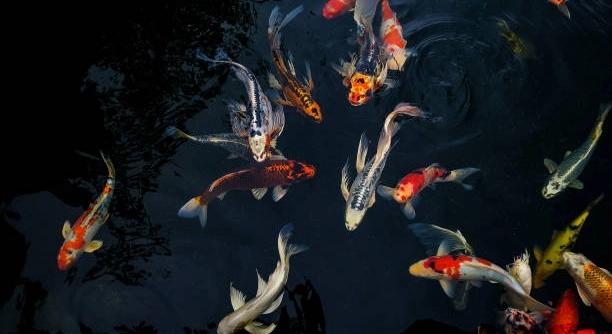
Koi fish are beautiful and often kept as pets in ponds or water gardens. Watching their movements can be relaxing and enjoyable. However, their behavior can tell you a lot about their health and environment.
Understanding koi fish behavior is essential for proper care. Certain actions or changes in their routine often indicate stress, illness, or environmental issues. Ignoring these signs can lead to serious problems and affect their well-being.
Recognizing these behaviors early helps maintain a healthy and happy koi pond. This article will guide you through important signals your fish may show.
Swimming Near the Surface Constantly
When koi fish spend a lot of time swimming near the surface, it usually means they are trying to get more oxygen. This behavior often happens when the water in the pond has low oxygen levels. Warm water or overcrowded ponds can reduce oxygen, making it hard for koi to breathe deeply. Sometimes, poor water quality or too many fish in one place forces them to stay near the top, where oxygen is higher. Watching your koi stick to the surface can help you realize there might be a problem with their environment. Making sure the water is clean and well-oxygenated will keep them comfortable and healthy. You might need to add an aerator or change the water more often to improve their living space.
This surface swimming behavior is a key indicator of water health issues in koi ponds. Fixing oxygen problems improves fish vitality.
Keeping your pond clean and well-aerated is essential. Using a pump or fountain helps oxygenate the water, reducing stress on your koi. Proper filtration removes waste that can lower oxygen levels. It is also important not to overcrowd the pond, as too many fish compete for the same oxygen. Monitoring water temperature is helpful since warmer water holds less oxygen. Regular testing for ammonia, nitrite, and nitrate keeps water safe. When koi can swim comfortably at all levels, it shows they are healthy and stress-free. Taking these steps ensures your fish enjoy their environment and reduces the risk of illness caused by poor water quality.
Loss of Appetite
When koi stop eating or show little interest in food, it often signals health problems or stress. This behavior can be caused by poor water conditions, illness, or sudden changes in the environment. Temperature shifts or new tankmates might also make them nervous and reduce their appetite. If your koi consistently refuses food, it’s important to check water quality and watch for other signs of illness. Early detection and treatment can help them recover faster. Sometimes, a slow appetite means your fish need time to adjust, but prolonged loss of interest should not be ignored.
Loss of appetite is a serious sign that should prompt immediate attention to water and fish health.
Addressing loss of appetite requires observing the whole environment. Testing water parameters such as pH, ammonia, nitrites, and nitrates can reveal hidden problems. If these are within normal ranges, look for physical symptoms like spots, swelling, or unusual swimming patterns. Stress from overcrowding or aggressive neighbors can also reduce feeding. Offering different types of food or feeding smaller amounts more frequently may encourage eating. If the problem continues, consulting a vet or fish expert can provide guidance. Quick action helps prevent worsening conditions and supports recovery, ensuring your koi return to their normal, healthy routine.
Erratic or Darting Movements
Erratic swimming or sudden darting often signals stress or discomfort in koi fish. It can be caused by poor water quality, parasites, or sudden changes in their environment.
When koi swim erratically, they may be trying to escape irritants like parasites or debris in the water. It could also mean they are stressed by loud noises, sudden temperature changes, or aggressive tankmates. Checking water parameters and observing closely for physical signs like spots or redness can help identify the cause. Treatment might involve improving water quality or using medication for parasites.
This behavior can also be a sign of oxygen deficiency, causing them to move quickly to find better conditions. Addressing the root causes quickly is important to prevent further health problems and reduce stress on the fish.
Clamped Fins
Clamped fins occur when koi hold their fins close to their body, indicating discomfort or illness. This behavior is often a subtle but important warning sign.
Koi with clamped fins may be feeling cold, stressed, or sick. Water temperature that is too low can cause this reaction, as koi prefer stable, moderate temperatures. Illnesses like bacterial or fungal infections also cause fins to clamp. Watching for other symptoms such as lethargy, loss of appetite, or changes in color can help determine the problem.
Treating clamped fins usually involves improving water conditions by stabilizing temperature and ensuring cleanliness. Sometimes, medication is needed if an infection is present. Early response helps koi recover faster and prevents more serious issues.
Gasping at the Surface
Gasping at the surface means your koi are struggling to get enough oxygen. This usually happens when the pond has low oxygen or poor water quality.
It can also be caused by high temperatures or overcrowding. Fixing aeration and water conditions helps stop this dangerous behavior.
Sudden Color Changes
Sudden color changes in koi often point to stress, illness, or poor water conditions. These changes might include fading, darkening, or unusual patches on their skin.
Color shifts can be caused by parasites, infections, or exposure to harmful chemicals. Regular water testing and prompt treatment of illnesses are essential to prevent permanent damage.
Hiding or Lethargy
When koi suddenly hide or become lethargic, it’s a clear sign they are unwell or stressed. This behavior should never be ignored.
What causes koi fish to swim near the surface so often?
Koi often swim near the surface when there is low oxygen in the water. Warm water holds less oxygen, and if your pond is crowded or poorly aerated, the fish will stay near the top to breathe easier. Poor water quality or high levels of waste can also reduce oxygen, pushing koi upwards.
How can I improve oxygen levels in my koi pond?
Improving oxygen involves adding aeration devices like pumps, fountains, or waterfalls. These help move water and add air. Regular water changes and proper filtration keep the water clean, which also supports oxygen levels. Avoid overcrowding the pond, as too many fish compete for limited oxygen.
Why do koi lose their appetite suddenly?
Loss of appetite can be due to illness, stress, or changes in water conditions. Temperature changes or poor water quality often upset koi, causing them to stop eating. Sometimes, aggressive tankmates or parasites also reduce their willingness to eat.
What should I do if my koi stop eating?
First, check water parameters: pH, ammonia, nitrites, and nitrates. If these are out of range, fix them immediately. Look for signs of disease or parasites, like spots or unusual behavior. Feeding smaller amounts or offering different foods can help. If the problem persists, consult a fish health expert.
What does it mean when koi swim erratically or dart around quickly?
Erratic swimming usually signals stress or irritation. Causes include parasites, poor water quality, sudden temperature shifts, or aggressive neighbors. Koi might try to escape discomfort or search for better water conditions.
How do I treat erratic swimming behavior?
Start by testing the water and cleaning the pond if needed. Look closely for parasites or injuries and treat with appropriate medication. Maintain a stable environment and reduce stressors like loud noises or overcrowding to help koi calm down.
Why do koi clamp their fins close to their bodies?
Clamped fins show discomfort, illness, or cold water stress. It’s a subtle sign that something is wrong, like bacterial or fungal infections, or sudden drops in temperature.
What steps should I take when I see clamped fins?
Check the water temperature and stabilize it if needed. Test the water for pollutants or harmful bacteria. Improve filtration and cleanliness. If infection is suspected, use appropriate treatments quickly to support recovery.
What causes sudden color changes in koi?
Color changes can be due to stress, disease, parasites, or poor water quality. Koi may darken, fade, or show unusual patches when they are unwell or uncomfortable in their environment.
Are color changes reversible in koi fish?
Sometimes, yes. If the cause is temporary stress or mild water issues, correcting the problem can restore color. If caused by illness or permanent damage, some color loss may remain. Early detection and care improve chances of recovery.
Why do koi gasp at the surface of the pond?
Gasping shows koi are struggling to breathe, usually from low oxygen or poor water conditions. High temperatures or overcrowding also make it hard for them to get enough air, causing this urgent behavior.
How can I prevent gasping in my koi pond?
Ensure good aeration through pumps or fountains. Keep the pond clean and avoid crowding. Monitor temperature and maintain stable conditions. Regular water testing helps catch problems early before koi gasp for air.
What does it mean if koi hide or become lethargic suddenly?
Hiding or lethargy signals stress or illness. Koi normally swim actively, so these changes are a clear sign something is wrong, such as infection, poor water quality, or extreme temperature changes.
How should I respond to hiding or lethargy in koi?
Test water quality immediately and improve it if needed. Observe for physical signs of illness like spots or sores. Reduce stressors by keeping the pond calm and stable. Seek professional advice if the koi’s condition does not improve quickly.
Can koi behaviors predict health issues early?
Yes, behaviors like swimming patterns, appetite changes, and fin position give early clues about health. Watching your koi closely lets you catch problems before they worsen, leading to better outcomes.
What routine care helps prevent koi behavior problems?
Regular water testing, cleaning, and proper feeding keep koi healthy. Aeration and avoiding overcrowding reduce stress. Observing fish daily for unusual behavior is the best way to act early and maintain a thriving pond environment.
Koi fish are beautiful and calming creatures to watch, but their behavior often tells us much more than just their mood. Paying attention to how they swim, eat, and react to their environment is very important. When koi show signs like swimming near the surface, clamping their fins, or losing appetite, these behaviors usually mean something needs attention. Ignoring these signs can lead to bigger health problems for the fish and affect the overall balance of the pond. Taking time to observe your koi regularly helps you catch any issues early and makes it easier to keep them healthy.
Maintaining good water quality and proper pond care are key factors in preventing most behavior problems in koi. Clean water with enough oxygen, stable temperature, and space to swim comfortably creates a better home for them. Using aerators, pumps, and proper filtration helps keep the environment safe and stress-free. Overcrowding and poor water conditions often cause the majority of koi health issues. Simple daily care routines, like checking water parameters and feeding them the right amount of food, can make a big difference. When you notice unusual behavior, testing water quality and acting quickly to fix problems is the best approach.
In the end, understanding koi behavior helps you build a stronger connection with your fish and create a more enjoyable pond experience. These signs are not just random movements but messages your koi send about their health and comfort. By learning to recognize what these behaviors mean, you can provide better care and prevent serious illnesses. Keeping your koi happy and healthy takes attention and patience, but it is rewarding to see them thrive and display their natural, peaceful behavior in a well-maintained pond.

Hello,
If you enjoy the content that we create, please consider saying a "Thank You!" by leaving a tip.
Every little bit helps us continue crafting quality advice that supports the health, happiness, and well-being of pets around the world, for pets of all shapes, sizes, and species.
We really appreciate the kindness and support that you show us!