
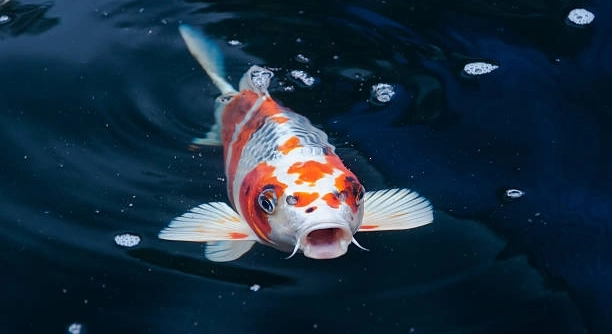
Koi fish are popular in ponds and water gardens for their beauty and calm nature. Many owners notice their koi interact differently as time passes. These changes in behavior can be interesting to observe and may reflect various factors in their environment.
Koi fish can change behavior over time due to environmental conditions, health status, and social interactions. Adaptations occur as they respond to changes in water quality, feeding routines, and the presence of other fish, influencing their activity levels and social dynamics.
Understanding how koi fish adapt can help owners provide better care and maintain a healthy environment. This knowledge ensures that koi remain vibrant and active companions in any pond setting.
Factors Influencing Koi Behavior Changes
Koi behavior can shift due to several factors. Water temperature plays a major role, as koi are cold-blooded and become less active in cooler water. Seasonal changes affect their feeding habits and energy levels. Additionally, water quality impacts their well-being; poor conditions can cause stress and unusual behavior. The presence of other fish also influences koi behavior. Koi may become more territorial or social depending on how many fish share their space. Changes in diet or feeding schedules can lead to noticeable differences in activity and interaction. Finally, health issues such as parasites or illness can alter behavior significantly. Monitoring these factors helps maintain a balanced environment where koi can thrive and show their natural behaviors.
Stress in koi often arises when their environment shifts suddenly. Ensuring stable conditions reduces stress-related behavior changes.
Keeping a close watch on these elements allows owners to identify problems early. Regular testing of water parameters, observing koi interactions, and maintaining a consistent feeding routine support healthy behavior. When koi face fewer environmental stresses, they display more natural and predictable actions, making their care more rewarding. Understanding these influences helps create a peaceful pond where koi can adapt positively over time.
Social Interaction and Learning in Koi Fish
Koi are social creatures that learn from their surroundings and companions.
Over time, koi develop social hierarchies within their groups. This can cause changes in behavior as they establish dominance or submission roles. They also learn to recognize their owners, often responding eagerly to feeding times. This learned behavior can make koi appear more interactive and attentive. Repeated exposure to gentle handling or consistent routines helps koi feel more secure, reducing fear and erratic movements. Koi also communicate through body language, such as swimming patterns and fin movements, to signal mood or intentions. These social skills improve as they grow and interact more with other fish. Observing these changes helps owners understand their koi’s needs better and adapt care accordingly, fostering a calm and engaging pond environment.
Health and Behavior Correlation
Koi behavior often reflects their health status. Changes such as lethargy, loss of appetite, or unusual swimming can indicate illness. Prompt attention is important.
Illnesses and parasites can cause koi to act differently. Infected fish may hide more or isolate themselves from the group. Behavioral changes may also include rapid gill movement or erratic swimming. Poor water quality weakens their immune system, making koi more vulnerable to disease. Regular observation helps detect subtle signs before serious issues develop. Early treatment increases the chance of recovery and minimizes impact on the whole pond.
Maintaining good water quality and nutrition is essential to prevent health-related behavior problems. Consistent pond maintenance, proper filtration, and balanced feeding reduce stress and keep koi healthy. Healthy koi remain active and display normal social behavior, which benefits the entire pond environment. Monitoring koi behavior gives useful insight into their physical condition, allowing quick action when needed to support their well-being.
Environmental Changes and Adaptation
Koi adjust their behavior when their environment changes. They may become cautious or more aggressive depending on new conditions.
Sudden shifts like adding new fish, changing water features, or adjusting temperature impact koi behavior. They may hide or swim nervously while adapting. Over time, koi learn to tolerate new neighbors and altered surroundings, returning to normal activity levels. Consistency in feeding schedules and gradual environmental changes help reduce stress. Changes in water chemistry or filtration can also affect koi comfort and behavior, so careful monitoring is important. Understanding how koi adapt allows owners to manage changes smoothly and maintain a healthy, stable pond.
Feeding Habits and Behavior
Feeding routines strongly influence koi behavior. They quickly learn when and where food is given, becoming more active around feeding times.
Changes in diet or irregular feeding can cause koi to become restless or less responsive. Consistent feeding encourages healthy habits and predictable behavior.
Aging and Behavioral Shifts
As koi age, their energy and activity levels naturally decrease. Older koi tend to rest more and show less curiosity than younger ones. These changes are normal and should be expected in a healthy aging koi.
Monitoring Behavior for Better Care
Observing koi behavior regularly helps detect early signs of stress or illness. Subtle changes often indicate health or environmental issues. Keeping a close eye on these signals ensures timely action and improves overall koi care.
FAQ
Can koi fish really change their behavior over time?
Yes, koi fish can change behavior due to factors like aging, environmental shifts, health status, and social dynamics. These changes are usually gradual and reflect how koi adapt to new conditions in their habitat.
What are the signs that my koi’s behavior has changed?
Signs include variations in activity levels, feeding response, swimming patterns, or social interactions. For example, koi may become more withdrawn, aggressive, or lethargic compared to their usual behavior.
How does water temperature affect koi behavior?
Koi are cold-blooded, so water temperature directly affects their metabolism. Cooler water slows their activity and appetite, while warmer water increases movement and feeding. Sudden temperature changes can cause stress and temporary behavior shifts.
Can poor water quality cause koi to behave differently?
Yes, poor water quality is a major stress factor. High ammonia, nitrite levels, or low oxygen can cause koi to gasp at the surface, become less active, or hide. Maintaining good water parameters is crucial for normal behavior.
Do koi recognize their owners and change behavior because of that?
Koi can learn to recognize feeding routines and their owners. They often swim eagerly to the surface when they see a familiar person, associating them with food. This learned behavior can make koi seem more interactive.
Is aggression normal in koi fish?
Some aggression is normal, especially when establishing social hierarchies. However, excessive aggression might indicate overcrowding, lack of hiding spots, or stress. Adjusting pond conditions can reduce aggressive behavior.
How can I help my koi adjust to new pond conditions?
Introduce changes gradually. Avoid sudden shifts in temperature, water chemistry, or fish population. Maintain consistent feeding times and provide enough space and hiding areas to reduce stress and encourage smooth adaptation.
Why is my koi swimming erratically or isolating itself?
Erratic swimming or isolation can signal illness, stress, or poor water quality. It might also be a response to new tank mates or environmental disturbances. Monitoring water conditions and checking for signs of disease is important.
Do koi fish learn from each other?
Koi do show social learning to some extent. They observe and respond to the behavior of other fish, which influences their own actions, such as feeding times or avoiding threats. Social interaction helps them adapt better.
How does aging affect koi behavior?
Older koi typically slow down, rest more, and show less interest in exploring or interacting. These changes are natural as metabolism decreases with age. Proper care should adjust to their reduced activity and dietary needs.
What should I do if I notice sudden changes in my koi’s behavior?
Check water quality immediately. Look for signs of illness or injury. Ensure feeding routines are consistent and the environment is stable. If problems persist, consult a vet or experienced koi keeper for diagnosis and treatment.
Can stress cause koi to change color or behavior?
Yes, stress from poor water quality, overcrowding, or sudden environmental changes can dull koi coloration and cause unusual behavior like hiding or rapid breathing. Reducing stress factors improves both color and behavior.
How often should I observe my koi’s behavior?
Daily observation is ideal. Regular checks allow early detection of problems and help maintain a healthy pond. Paying attention to small behavior changes supports timely interventions and keeps koi thriving.
Does diet affect koi behavior?
Diet influences energy levels and activity. Feeding high-quality, balanced food keeps koi active and healthy. Irregular or poor diets can lead to lethargy, aggression, or abnormal feeding responses.
What role does social structure play in koi behavior?
Koi establish social hierarchies that impact behavior. Dominant fish may control feeding areas or space, while submissive ones may avoid confrontation. Understanding this helps manage group dynamics and reduce stress.
Can environmental enrichment change koi behavior?
Yes, adding plants, rocks, or hiding spots encourages natural behaviors like exploring and hiding. Enrichment reduces boredom and stress, promoting healthier, more active koi.
How long does it take for koi to adapt to new environments?
Adaptation time varies but typically ranges from days to weeks. Gradual changes and stable conditions speed up adjustment and minimize behavioral disruptions.
Are behavioral changes always a sign of a problem?
Not always. Some changes reflect natural growth, aging, or normal social adjustments. However, sudden or extreme changes usually indicate stress, illness, or poor conditions and should be investigated.
Is it possible to train koi fish?
Koi can learn simple routines, like feeding times or responding to signals, through repetition. Training improves interaction and can help monitor their health by encouraging consistent behavior.
What should I do if my koi become aggressive after introducing new fish?
Provide extra space and hiding spots to reduce competition. Monitor interactions closely and separate fish if aggression causes injury. Gradual introductions help koi adjust better to new companions.
Can behavior changes be reversed?
Many behavior changes caused by environmental or health factors can be reversed with proper care. Improving water quality, adjusting diet, and reducing stress often restore normal behavior.
Koi fish are known for their beauty and calm presence in ponds, but their behavior can change over time due to various reasons. These changes are often linked to factors such as aging, health, environment, and social dynamics. Observing koi regularly can help owners understand when these changes are normal and when they may indicate a problem. It is important to recognize that koi are living creatures that respond to their surroundings, and their behavior provides valuable clues about their well-being.
Maintaining stable pond conditions and good water quality plays a crucial role in supporting healthy koi behavior. Sudden changes in temperature, water chemistry, or the addition of new fish can cause stress, leading to noticeable shifts in how koi act. Proper feeding routines and attention to diet also influence their activity levels and social interactions. When koi show unusual behavior such as lethargy, hiding, or aggression, it is often a signal that something needs attention, whether it is a health issue or an environmental problem.
Taking the time to monitor and understand koi behavior improves the overall care and enjoyment of keeping these fish. While some behavioral changes are natural and expected, others require intervention to ensure koi remain healthy and comfortable in their environment. By paying close attention to their needs and providing a stable habitat, owners can help koi adjust well to changes and live long, healthy lives. Recognizing the connection between behavior and health is key to successful koi keeping.

Hello,
If you enjoy the content that we create, please consider saying a "Thank You!" by leaving a tip.
Every little bit helps us continue crafting quality advice that supports the health, happiness, and well-being of pets around the world, for pets of all shapes, sizes, and species.
We really appreciate the kindness and support that you show us!