
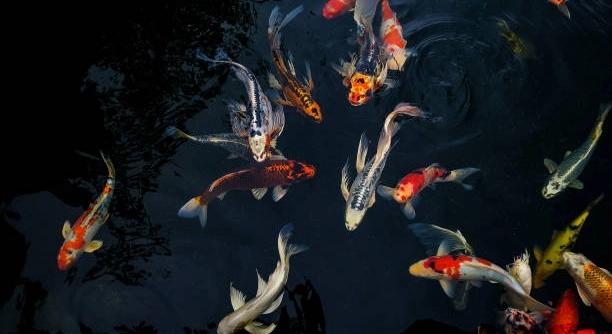
Have you ever spent time watching koi fish and started to wonder if their bold movements mean they are aggressive by nature? These colorful pond dwellers often spark curiosity, especially when they interact with each other or new surroundings.
Koi fish are not naturally aggressive, but certain behaviors—such as chasing or nudging—may appear that way due to environmental factors, stress, or feeding competition. Understanding the context behind their actions helps clarify their true nature.
From feeding time habits to territorial instincts, we’ll explore what really influences koi behavior and how to support peaceful pond living.
1. Koi Fish Can Show Aggression, But It’s Not Always Intentional
Koi fish are usually peaceful, but there are times when they show signs of aggression. These actions often happen during feeding, breeding, or when their environment feels crowded. If food is limited, koi may push or chase each other to get more. This behavior looks aggressive but is mostly driven by instinct. During breeding season, males chase females, which can seem harsh but is natural. A lack of space can also raise stress levels and cause koi to act out. When their pond is too small or lacks hiding spots, koi may feel threatened and behave defensively. Observing when and why these actions happen can help you decide if it’s real aggression or just normal behavior. Koi don’t usually fight to harm each other, but they can become stressed or injured if their needs are not met properly. Creating the right conditions is key to keeping them calm.
A stressed koi may display fast swimming, hiding, or chasing others more than usual.
To lower tension, provide enough space in the pond and ensure proper filtration and water quality. Adding plants and structures gives koi areas to retreat and feel safe. Feed them in separate spots if competition is high. These changes can reduce stressful behaviors and help koi remain calm.
2. Overcrowding Is One of the Main Causes
When too many koi are kept in a small pond, it increases the chances of stress and aggressive actions. Each fish needs space to swim, hide, and rest.
A pond that is too crowded can cause koi to feel uneasy and act out. Lack of space means they must compete more for food, oxygen, and clean water. Stress from crowding can lead to more chasing, nudging, or even fin damage. To avoid this, the general guideline is to allow at least 250 gallons of water per adult koi. This helps keep water quality stable and allows the fish to establish their own areas. Make sure to include areas of shade and hiding spots with plants or pond decorations. These simple additions give koi a place to feel secure. Proper filtration is also important in crowded setups to remove waste and maintain healthy conditions. Giving koi the space and environment they need can reduce aggressive behavior and support overall health.
3. Breeding Season Can Trigger Rough Behavior
Koi fish become more active during breeding season, and this can lead to rough chasing. Males often pursue females around the pond, which can sometimes cause injuries. This behavior is normal but can seem aggressive if you’re not familiar with it.
Breeding season usually happens when the water temperature rises in spring or early summer. Male koi chase females, nudging them to release eggs. This chase can last for hours and may cause scrapes or damaged fins, especially if the pond has sharp edges or no soft plants. If you see this happening, it’s a good idea to check for injuries afterward and keep the water extra clean to avoid infection. Providing shallow, soft-edged areas and aquatic plants helps reduce harm. Even though the chasing looks intense, it’s a natural part of breeding behavior and usually doesn’t require intervention unless injuries occur.
Female koi can sometimes become stressed from too much attention during this time. If multiple males are chasing one female, she may become weak or injured. Separating the sexes temporarily or offering more space can help reduce pressure on the females. After breeding, observe all koi closely for signs of exhaustion or wounds. Giving them time to recover in a quiet, clean pond helps speed up healing.
4. Feeding Time May Lead to Competition
Feeding time is one of the most common moments when koi may act pushy. They get excited, crowd the surface, and try to get as much food as possible. This can lead to bumping, chasing, and even biting, especially in ponds with limited space.
To avoid aggressive feeding behavior, feed your koi at different spots around the pond. This spreads them out and reduces the need to compete for food. If all the food is dropped in one place, the strongest koi may eat more while others miss out. You can also feed in smaller amounts, more often. This helps lower the urgency and calms the group over time. Avoid overfeeding, as it can cause poor water quality and increase stress. Make sure your koi are not crowding too much and always observe them while they eat. A calm feeding routine makes a big difference in behavior.
5. Injuries May Look Like the Result of Fighting
When koi fish have torn fins or missing scales, it might seem like they’ve been fighting. However, these injuries often come from breeding, sharp objects, or rough surfaces in the pond—not actual aggression.
It’s important to inspect the pond for sharp rocks, rough liners, or exposed equipment. These can cause wounds that get mistaken for signs of fighting.
6. Koi Can Bully Weaker or Newer Fish
Sometimes, koi may target a smaller or new fish added to the pond. This can look like bullying, but it’s usually a response to changes in their environment or social structure. Koi recognize each other and notice when something new enters their space. A new fish may get chased or nudged until the group adjusts. To lower the chance of bullying, introduce new koi gradually. Quarantine the new fish first, then place it in a mesh enclosure inside the main pond. This allows everyone to get used to each other before full contact. Observation helps make sure the new fish settles in safely.
7. Environmental Stress Increases Aggressive Behavior
Poor water quality or sudden changes in temperature can stress koi, making them more irritable and restless. This can lead to chasing and pushing.
FAQ
Are koi fish territorial?
Koi fish are not highly territorial, but they do establish a loose social order in the pond. In small or crowded spaces, they may become more protective of areas where they rest, feed, or hide. This can lead to chasing or nudging if another fish invades that space. However, this behavior usually doesn’t last long and rarely leads to real conflict. Giving your koi enough room and providing several hiding spots helps reduce these short bursts of pushiness. They are generally peaceful when their basic needs are met, and space is shared fairly.
Can koi fish kill each other?
Koi fish rarely harm each other seriously, and it’s very uncommon for one koi to kill another. Most of their so-called aggression is harmless and short-lived. However, stress, overcrowding, or breeding activity can lead to injuries. If a koi is already weak or sick, it may be picked on more and struggle to recover. It’s important to keep an eye on water quality, feeding habits, and physical changes in your koi. If you notice open wounds or one fish being constantly chased, it might be time to separate or give that koi a safe space to heal.
Why is one koi chasing all the others?
This is often seen when a dominant koi tries to establish its place in the group or during breeding season. A male koi may chase multiple fish, especially if he’s in a breeding mood. Outside of that, chasing can be a sign of stress, poor water conditions, or a lack of space. You should check for overcrowding or any sudden changes in the environment. If one fish continues to act aggressively without reason, it could be reacting to discomfort or illness. Observing the behavior and improving the pond setup can often solve the problem.
Do koi fish get along with goldfish?
Yes, koi can usually live peacefully with goldfish, especially in larger ponds. Both are calm and non-aggressive by nature. However, koi grow much larger and may unintentionally push or outcompete goldfish for food. To keep things fair, feed them in different areas and make sure each species has space to move around. Goldfish may also be more sensitive to water changes, so good water quality is key. If you notice one species becoming stressed or hiding often, it might help to monitor feeding habits and check for any crowding issues.
Is it okay to separate aggressive koi?
Yes, separating koi is sometimes the best choice if one fish is being too aggressive or if another is hurt and needs time to heal. You can use a floating enclosure or a separate tank to isolate the problem fish temporarily. This gives everyone time to calm down and recover. Once the aggressive behavior settles, you can try reintroducing the fish slowly. Separation doesn’t have to be permanent. Often, once environmental stress is removed, koi will behave more peacefully when reunited with the group.
How do I tell if koi behavior is aggression or just play?
It can be hard to tell, especially for new pond owners. Playful koi may chase each other gently or swim in circles. This is normal and usually short. Aggression, on the other hand, looks more intense—quick chasing, frequent bumping, and visible injuries. If you’re unsure, observe how often it happens and how the other fish react. If the chased fish keeps hiding, seems stressed, or has damage to its fins or scales, it could be more serious. The environment plays a big role here. Clean water, good space, and enough food all help prevent aggressive behavior.
What role does diet play in koi aggression?
A poor or unbalanced diet can cause koi to become more competitive during feeding times. If they don’t get enough nutrients, they may eat more aggressively and push other fish aside. Make sure you’re feeding a high-quality koi pellet and offering enough for all the fish. Supplementing with vegetables like peas or lettuce can also help. Spread the food around the pond so koi don’t fight over a single spot. Feeding the right amount at regular times reduces stress and keeps their energy balanced. A good diet can calm even the pushiest koi.
Final Thoughts
Koi fish are calm by nature, but certain situations can cause them to act in ways that seem aggressive. Most of the time, chasing or bumping is not a sign of real harm. It’s often linked to feeding time, breeding season, or changes in their environment. These behaviors can seem alarming if you’re not used to them, but with the right setup, they usually don’t become a serious problem. Giving your koi enough space, clean water, and proper food goes a long way in keeping things peaceful. Koi are social and intelligent fish that can live together happily when their needs are met.
It’s also helpful to watch your koi regularly. This makes it easier to notice if something changes. If a fish is acting differently, hiding more, or getting injured often, it could be a sign that something in the pond needs adjusting. Sometimes small changes—like adding more plants, adjusting the feeding routine, or improving water quality—can fix the issue quickly. It’s also important to understand that not all chasing or nudging means a fish is being mean. Many of these actions are just part of their natural behavior, especially in busy ponds or during the warmer months.
Caring for koi takes attention, but it doesn’t have to be stressful. As long as you give them the right space, good food, and a clean pond, they’ll usually get along just fine. Keep an eye on their behavior, especially during breeding season or when adding new fish. Separate them only if one fish becomes overly aggressive or another one seems too weak. With regular care and observation, your koi will be calm, healthy, and a joy to watch. Understanding the reasons behind their actions helps you build a better environment and makes it easier to enjoy your pond without worry.

Hello,
If you enjoy the content that we create, please consider saying a "Thank You!" by leaving a tip.
Every little bit helps us continue crafting quality advice that supports the health, happiness, and well-being of pets around the world, for pets of all shapes, sizes, and species.
We really appreciate the kindness and support that you show us!