
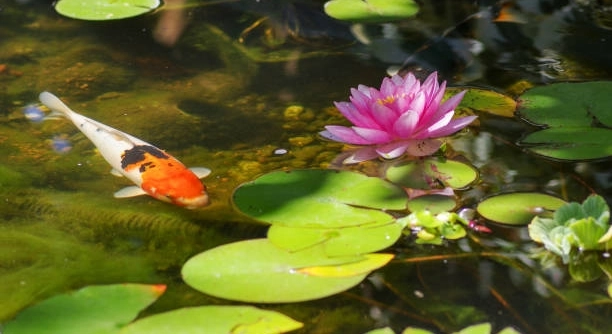
Have you ever noticed your koi fish becoming distant or ignoring your presence near the pond? It can feel a little confusing. Their usual graceful movements and social behavior might suddenly shift without much warning or reason.
Koi fish may stop interacting due to stress, changes in water quality, illness, seasonal temperature shifts, or unfamiliar surroundings. These factors can affect their energy levels, comfort, and overall behavior, leading to less interaction with people or other fish.
Understanding these shifts in behavior helps you create a more stable and inviting environment for your koi to thrive again.
Common Reasons Koi Fish Stop Interacting
Koi fish are usually active and curious, so when they suddenly seem distant, something is likely off. One common reason is water quality. Even small changes in pH, ammonia, or temperature can stress them out. Koi are sensitive, and if the water becomes uncomfortable, they tend to withdraw. Illness is another reason. If a fish feels unwell, it won’t be as active or social. Keep an eye out for odd swimming, clamped fins, or visible signs of infection. Seasonal changes also affect koi. As the temperature drops, their metabolism slows, making them less active. Lastly, disruptions in their routine or the presence of predators can leave koi anxious and less willing to come to the surface. Each of these factors can make a noticeable difference in how your koi behave.
Noticing these changes early allows you to make small adjustments before the problem gets worse.
By observing your koi daily, you can catch signs of stress quickly and respond before things escalate. Behavior like hiding, not eating, or separating from the group usually means something has shifted in their environment. A simple water test and visual check help you stay ahead of any potential problems and keep your koi feeling secure.
How to Encourage Healthy Interaction
When koi stop interacting, it’s important to respond gently. Don’t force contact or hover constantly. Instead, start by checking the water. Test for pH, ammonia, nitrites, and temperature. Small issues in these areas can cause big behavioral shifts.
If the water checks out, look at their diet. Poor-quality food or overfeeding can lead to lethargy and health problems. Choose balanced koi pellets and supplement with small treats like peas or watermelon occasionally. Feed during the same time each day to give them a routine. Also, create a calm environment. Avoid loud noises or sudden movements near the pond. Make sure there are shaded areas or hiding spots in the water so they feel safe. Once your koi feel comfortable again, they’ll likely start to come up when they see you, especially during feeding time. Don’t rush the process—give them space, monitor their behavior, and stay consistent. With patience, your koi should return to their usual, social selves.
Signs Your Koi Are Stressed or Unwell
When koi are stressed, they tend to stay near the bottom of the pond, avoid eating, or isolate themselves from the group. Clamped fins, flashing, or gasping at the surface are also signs something isn’t right in their environment.
A healthy koi swims smoothly, interacts with others, and comes up for food. If you see one hanging at the bottom, hiding constantly, or swimming erratically, it’s time to pay attention. Look closely for red streaks in the fins, white spots, or bloating. These may be signs of infections or parasites. Also, stress from poor water quality or temperature swings can cause them to become sluggish or lose their appetite. Pay attention to how many fish are acting differently. If it’s just one, the issue may be specific to that fish. If it’s several, check the overall pond conditions right away and take action quickly.
Sometimes stress builds over time. Poor oxygen levels, high ammonia, or even aggressive fish can trigger changes. Watch for changes in color or skin texture. A stressed koi may look dull or develop ulcers. It’s also helpful to note their activity levels during different times of day. Morning stillness may be normal, but continued inactivity throughout the day suggests a deeper issue. Don’t assume they’re just tired—frequent hiding or skipping meals is a sign to investigate further. If needed, isolate the affected fish in a separate tank for closer observation. Taking early action can keep small problems from turning into larger ones.
Environmental Factors That Influence Behavior
Koi behavior is directly tied to their environment. Sudden weather shifts, especially in spring or fall, can affect water temperature and lead to changes in energy levels. Heavy rain or runoff may also bring in contaminants that impact water quality and comfort.
Check your pond for stable conditions. Fluctuations in pH or ammonia can cause koi to retreat and stop feeding. Try to maintain a balanced setup with proper filtration, gentle aeration, and plenty of shaded spots. Avoid overcrowding, as too many fish can lead to stress and more waste buildup. Make sure plants or rocks aren’t trapping debris or creating areas with low oxygen. Consistency matters. Even something like turning off the pond pump too often can affect circulation and oxygen levels, leaving koi feeling unsettled. By managing their environment carefully, you help them stay active, responsive, and engaged in daily pond life.
Behavioral Changes Linked to Feeding
If your koi lose interest in food, it’s often a sign of stress, illness, or poor water quality. Skipping meals occasionally is normal, but regular disinterest in feeding means it’s time to check for underlying problems.
Feeding too much or using low-quality food can lead to bloating or digestive issues. Stick to a consistent feeding schedule and monitor how much they actually eat.
The Role of Tank Mates and Social Stress
Koi are social, but not all fish get along well. Adding aggressive or fast-swimming species can make koi feel threatened and withdrawn. Watch for bullying or territorial behavior. If one fish is being chased constantly, it may retreat and avoid interaction. A balanced mix of peaceful fish helps reduce social stress. Rearranging pond décor or creating more hiding spots can also ease tension between fish. Keep an eye on group dynamics and step in early if problems arise. Social stress might not always be loud or aggressive—sometimes it’s quiet and slow, but just as damaging.
When to Seek Help from a Specialist
If the behavior doesn’t improve after checking water, food, and environment, it’s best to consult a fish vet. Persistent issues can point to infections or parasites that need proper diagnosis and treatment.
FAQ
Why has my koi stopped coming to the surface?
Koi usually come to the surface to eat or interact, but if they stop, it may be due to poor water quality, low oxygen levels, or stress from sudden changes. Temperature drops can also slow their metabolism, making them less active. Check water conditions and ensure proper aeration to encourage normal behavior.
Can poor water quality really make koi avoid interaction?
Yes, koi are very sensitive to water quality. High ammonia, nitrites, or incorrect pH can cause discomfort and stress. When water is not clean or well-balanced, koi tend to hide and stop responding to stimuli, including human presence. Regular testing and maintenance help prevent this problem.
How long can koi go without eating before it becomes a problem?
Koi can safely skip meals for a few days, especially in cooler weather when their metabolism slows. However, if they refuse food for more than a week, it might indicate illness or stress. Persistent lack of appetite should prompt a closer look at their environment and health.
Is it normal for koi to hide during certain times of the day?
Yes, koi may hide or be less active during the hottest part of the day or when predators are nearby. They also tend to rest during the night. But if they spend excessive time hiding or avoiding interaction, it could signal a problem with water quality, illness, or social stress.
What signs show that koi are sick?
Look for unusual behavior like lethargy, clamped fins, flashing against surfaces, or swimming erratically. Physical signs include red streaks, white spots, ulcers, or bloating. Loss of appetite and isolation from other fish are also common signs that a koi needs attention.
Can changing pond decorations or layout stress koi?
Yes, sudden changes in their environment can cause koi to feel insecure. They rely on familiar surroundings for safety. If you rearrange plants, rocks, or hiding spots, do it gradually so they can adjust without stress. Adding new hiding places can help them feel secure.
How do temperature changes affect koi behavior?
Koi are cold-blooded and depend on water temperature for energy. When the water cools, their metabolism slows, and they become less active and less social. Sudden temperature swings are stressful and can weaken their immune systems, leading to illness.
Is social stress common among koi?
Yes, koi can experience social stress if tank mates are aggressive or overly dominant. This can cause some fish to hide or avoid interaction. Ensuring a peaceful mix of species and enough space for each fish helps reduce social tension in the pond.
What is the best way to improve koi interaction?
Focus on stable water quality, a balanced diet, and a calm environment. Regular maintenance, proper feeding routines, and minimizing sudden changes all encourage koi to be more active and social. Adding shade and hiding spots also helps koi feel safe.
When should I contact a professional about koi behavior?
If koi continue to avoid interaction despite good water quality, proper feeding, and a peaceful environment, consult a fish health specialist. Persistent behavioral changes often signal underlying health issues that need expert care.
Can koi recognize their owners?
Koi can learn to recognize feeding routines and associate people with food. This doesn’t mean they bond like pets but can respond positively to familiar faces, especially during feeding times.
How important is pond size for koi behavior?
A pond that’s too small can stress koi by limiting their movement and increasing waste buildup. Adequate space and good filtration are critical for healthy, active koi that interact more naturally.
Do koi need hiding spots to feel comfortable?
Yes, koi feel safer with places to hide, especially when stressed or during rest. Providing plants, rocks, or shelters reduces stress and encourages them to explore and interact when they feel secure.
Final Thoughts
Koi fish are sensitive creatures that show changes in behavior when something in their environment is not quite right. When they stop interacting, it often signals that they are stressed, unwell, or uncomfortable. Factors like water quality, temperature, social stress, and feeding routines all play a role in their behavior. Paying attention to these details can help you understand why your koi may become less active or avoid interaction. Catching problems early is important to keep them healthy and happy in the long run.
Maintaining a stable environment for koi takes regular care and attention. Testing water parameters, feeding a balanced diet, and providing a safe space with hiding spots will support their well-being. It’s normal for koi to have quiet times, especially when the weather changes or during certain parts of the day. However, if you notice long periods of isolation, lack of appetite, or physical signs of illness, it is necessary to act. Simple changes in care or consulting a professional can make a big difference in restoring your koi’s usual behavior.
Every pond is different, and koi respond to their surroundings in unique ways. Understanding their needs and watching their behavior closely helps build a better connection and improves their quality of life. Koi are rewarding pets that show their moods through interaction and activity. Keeping them comfortable means creating an environment where they feel secure and stress-free. With patience and care, koi can regain their lively nature and continue to bring beauty to your pond.

Hello,
If you enjoy the content that we create, please consider saying a "Thank You!" by leaving a tip.
Every little bit helps us continue crafting quality advice that supports the health, happiness, and well-being of pets around the world, for pets of all shapes, sizes, and species.
We really appreciate the kindness and support that you show us!