
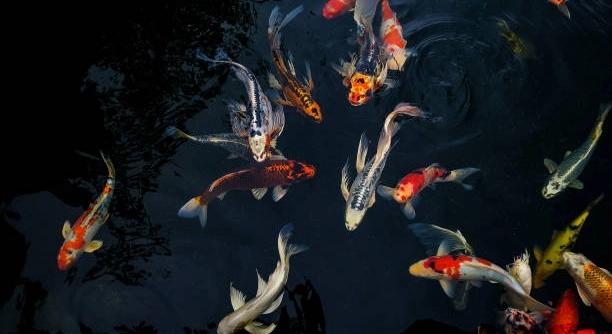
Koi fish are popular in many ponds due to their beauty and calm nature. Keeping them healthy requires attention to more than just water quality. Strengthening their immune system is essential for long-term care and disease prevention.
Improving koi fish immune health involves several practical steps, including maintaining optimal water conditions, providing balanced nutrition, minimizing stress, and incorporating natural supplements. These measures collectively enhance their ability to resist infections and promote overall vitality.
Proper immune support is key to preventing common koi illnesses. This article will outline effective ways to help your koi thrive in their environment.
Maintain Optimal Water Quality
Keeping water clean and stable is vital for koi immune health. Regular testing for pH, ammonia, nitrite, and nitrate levels helps ensure the environment stays safe. Water changes must be done carefully to avoid shocking the fish. Using a quality filtration system removes waste and harmful substances, reducing stress on the immune system. Aeration is also important because it keeps oxygen levels adequate. Algae control prevents oxygen depletion and keeps the pond balanced. Avoid overcrowding the pond to reduce waste buildup and stress, which can weaken immunity. A well-maintained pond reduces the risk of disease and supports stronger koi health.
Regular water checks and maintenance prevent common water quality issues that stress koi fish.
Proper water quality supports natural defenses, preventing infections and encouraging healthier growth and vitality.
Balanced Nutrition
Koi require a balanced diet with proteins, fats, vitamins, and minerals to boost immune health. Commercial koi pellets provide essential nutrients, but adding fresh vegetables and occasional treats can improve their diet variety. Feeding small amounts several times a day helps koi digest food better and avoids leftover waste. Foods rich in vitamins C and E are particularly beneficial for immunity. Avoid overfeeding, as excess food pollutes water and stresses fish. Nutritional balance plays a key role in maintaining a strong immune system, helping koi resist disease and recover faster if illness occurs.
A healthy diet supports immune function and overall koi vitality.
Including supplements like spirulina or garlic can enhance immunity and reduce parasite risks. These natural additions provide antioxidants and boost resistance. Careful feeding practices prevent obesity and water contamination. Proper nutrition is the foundation of koi health, making it easier for fish to thrive in various conditions.
Minimize Stress
Stress weakens koi immune systems and makes them more vulnerable to illness. Sudden changes in water temperature, poor water quality, and overcrowding are common stressors. Providing hiding spots and maintaining a stable environment helps reduce stress levels.
Handling koi gently and only when necessary prevents unnecessary stress. Avoid loud noises and sudden movements near the pond, as koi are sensitive to their surroundings. Stress can also come from aggressive tank mates or predators, so keep the pond safe and peaceful.
Regularly observing koi behavior helps detect early signs of stress, such as reduced appetite or erratic swimming. Acting quickly to address stress factors prevents immune suppression and supports recovery. Creating a calm environment is essential for maintaining healthy koi immune function.
Use Natural Supplements
Natural supplements support koi immunity by enhancing disease resistance and reducing inflammation. Ingredients like garlic, spirulina, and echinacea have immune-boosting properties. Garlic, for example, acts as a natural antibiotic and parasite deterrent.
Adding spirulina to the diet supplies antioxidants and essential nutrients that support cellular health. Echinacea can improve white blood cell function, helping koi fight infections more effectively. Using supplements should complement a balanced diet and good pond management, not replace them.
It is important to use these supplements in moderation and follow recommended dosages. Overuse can cause imbalances or stress. Incorporating natural supplements thoughtfully strengthens koi immune systems without risking harmful side effects.
Regular Health Checks
Routine health checks help catch diseases early before they weaken koi immune systems. Watch for changes in behavior, appetite, or appearance.
Physical inspections of scales, fins, and gills reveal signs of parasites or infections. Early detection allows for prompt treatment and better outcomes.
Quarantine New Fish
New koi should be quarantined before adding them to the main pond. This practice prevents introducing diseases to healthy fish. Quarantine lasts at least two weeks, allowing time to observe and treat any illnesses.
Quarantine tanks should have stable water conditions and proper filtration. Careful monitoring during this period protects the entire koi population and helps maintain a strong immune environment.
Maintain Pond Plants
Aquatic plants help improve water quality by absorbing excess nutrients. They provide shade and shelter, reducing stress for koi. Plants also support beneficial bacteria that break down harmful substances.
Healthy plants contribute to a balanced ecosystem, indirectly supporting koi immune health.
FAQ
How often should I test the water quality for my koi pond?
Testing water quality once a week is recommended to maintain a healthy environment. Regular checks for pH, ammonia, nitrite, and nitrate levels allow you to spot problems early. Frequent monitoring helps keep the water stable and prevents stress on koi immune systems.
What are the best foods to improve koi immunity?
A balanced commercial pellet formulated for koi provides essential nutrients. Adding fresh vegetables like peas and lettuce supplies fiber and vitamins. Natural supplements such as spirulina and garlic can boost immunity further. Feeding small, frequent meals avoids overfeeding and water pollution.
Can stress really impact my koi’s health that much?
Yes, stress greatly weakens koi immune systems. Factors like poor water quality, overcrowding, sudden temperature changes, and loud noises cause stress. Reducing these stressors helps koi resist diseases and recover faster when they get sick.
Should I quarantine new fish every time?
Quarantining new koi is crucial. It prevents introducing diseases to your healthy fish. Keeping new arrivals in a separate tank for two weeks helps identify and treat any health issues before mixing them with the main pond.
Are natural supplements safe for koi?
Natural supplements like garlic and spirulina are safe when used properly. They support immunity and reduce parasite risk. However, using them in excess can cause problems. Follow dosage guidelines and use supplements as part of an overall care plan.
How do I recognize if my koi is sick?
Look for changes in behavior, such as lethargy, loss of appetite, or erratic swimming. Physical signs include damaged fins, discoloration, white spots, or swollen areas. Early detection allows for quicker treatment and better outcomes.
Can plants really improve my koi’s immune health?
Yes, aquatic plants help by improving water quality and providing shelter, which reduces stress. They support beneficial bacteria that break down harmful substances, contributing to a balanced pond environment favorable for koi health.
What’s the ideal temperature for koi immune function?
Koi immune systems work best between 65°F and 75°F (18°C to 24°C). Sudden temperature changes outside this range can cause stress and lower immune response. Maintaining a stable temperature supports strong immunity.
How often should I feed my koi?
Feeding koi two to three times daily in small amounts is ideal. This helps avoid leftover food polluting the water. Overfeeding can weaken their immune systems by stressing both the fish and the pond environment.
Is overcrowding harmful to koi immune health?
Overcrowding increases stress and waste buildup, which harms water quality and weakens immunity. Providing enough space for koi reduces competition for food and oxygen, supporting their natural defenses.
What kind of filtration system is best for koi ponds?
A biological filtration system that promotes beneficial bacteria growth is best. It breaks down harmful ammonia and nitrites, keeping water safe. Mechanical filtration removes debris, while UV sterilizers reduce pathogens, all helping to maintain a healthy pond.
Can I use antibiotics to boost my koi’s immune health?
Antibiotics treat infections but do not boost immunity. Overuse can lead to resistance and harm beneficial bacteria. Focus on prevention through good water quality, nutrition, and reducing stress instead of relying on antibiotics.
Final Thoughts
Maintaining koi fish immune health requires consistent care and attention to several key factors. Water quality must be monitored and managed regularly to provide a safe environment. Clean, stable water reduces stress on the fish and prevents the buildup of harmful substances that can weaken immunity. Using a good filtration system and performing routine water changes help maintain these conditions. Keeping the pond balanced with aquatic plants also supports water quality and creates a less stressful habitat for koi.
Nutrition plays a central role in supporting koi immune systems. A balanced diet with the right combination of proteins, vitamins, and minerals strengthens their ability to resist disease. Adding natural supplements such as garlic or spirulina can provide additional immune support, but should be used carefully to avoid causing imbalances. Feeding small amounts several times a day prevents overfeeding and reduces water pollution, which in turn benefits overall health. Proper feeding routines contribute significantly to keeping koi strong and healthy.
Stress reduction is equally important for immune health. Stress weakens the fish’s defenses and makes them more susceptible to illness. Avoid overcrowding, sudden temperature changes, and rough handling to keep koi calm. Quarantining new fish before adding them to the pond protects the existing population from potential infections. Regular health checks help identify problems early, allowing for prompt treatment. Taking these steps consistently helps ensure koi enjoy a long, healthy life with a strong immune system.

Hello,
If you enjoy the content that we create, please consider saying a "Thank You!" by leaving a tip.
Every little bit helps us continue crafting quality advice that supports the health, happiness, and well-being of pets around the world, for pets of all shapes, sizes, and species.
We really appreciate the kindness and support that you show us!