
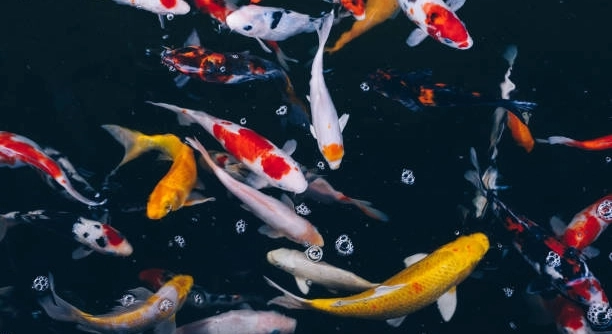
Koi fish are popular pond pets admired for their graceful movements and bright colors. Sometimes, these fish avoid staying near the surface, which can puzzle many pond owners. Understanding why koi fish behave this way can help maintain a healthy environment for them.
Koi fish avoid the surface due to several causes including poor water quality, stress, lack of oxygen, sudden temperature changes, predators, illness, or feeding habits. Each factor impacts their comfort and safety, influencing their preference for deeper water zones.
Knowing the reasons behind this behavior helps pond owners take appropriate steps to improve koi well-being and maintain a balanced aquatic habitat.
Poor Water Quality
Water quality is a critical factor that influences koi behavior. When the water in the pond contains high levels of ammonia, nitrites, or nitrates, koi fish tend to avoid the surface. These harmful substances accumulate due to insufficient filtration or overfeeding. Poor water quality causes discomfort and health issues, prompting the fish to seek cleaner, deeper areas. Regular testing and maintenance help keep the water balanced and safe. Removing debris and changing water regularly also support healthy conditions. If water quality deteriorates, koi may show signs of stress such as erratic swimming or lethargy. It is important to monitor pH levels and temperature as well, as sudden shifts can add stress and encourage surface avoidance. Maintaining a stable environment ensures koi feel secure and comfortable in their habitat.
Poor water quality causes koi to avoid the surface because it makes them uncomfortable and threatens their health. Keeping water clean is essential for their well-being.
Proper filtration, routine water testing, and partial water changes keep harmful substances low. Avoid overfeeding to reduce waste buildup. These actions create a stable environment where koi can swim freely, including near the surface. Monitoring temperature and pH prevents sudden changes that stress the fish. A healthy pond supports natural koi behaviors and vibrant colors.
Stress and Predators
Stress plays a significant role in koi behavior. Loud noises, sudden movements, or frequent disturbances can scare koi away from the surface. They instinctively seek safety in deeper water where they feel protected. Predators such as birds or raccoons also drive koi downward to avoid danger. Even shadows or reflections on the water can trigger stress responses. When koi are stressed, their immune systems weaken, increasing vulnerability to disease. Reducing disturbances around the pond helps minimize stress and encourages koi to explore all areas safely. Installing pond covers or netting can protect koi from predators, allowing them to move freely without fear.
Stress from external threats pushes koi to hide deeper in the pond for safety and comfort. Reducing disturbances and protecting the pond improves koi behavior.
Lack of Oxygen
Koi fish often avoid the surface when oxygen levels are low. Water with poor circulation or excessive algae growth reduces oxygen availability, pushing fish to find better conditions.
Low oxygen can develop in ponds that lack aeration or have too many plants consuming oxygen at night. Koi require well-oxygenated water to thrive, so stagnant or crowded ponds create discomfort. Aerators, fountains, or waterfalls increase oxygen levels by improving water movement. Removing excess algae and debris also helps maintain better oxygen balance. Without sufficient oxygen, koi become sluggish and avoid areas with poor air exchange, usually near the surface. Ensuring proper aeration is essential to keep koi healthy and active throughout the day.
When oxygen levels drop, koi may also gulp at the surface in an attempt to breathe better. This behavior is a warning sign that intervention is needed. Adding aeration devices and managing pond plants creates a more stable oxygen environment, allowing koi to use the entire pond comfortably.
Temperature Changes
Sudden temperature changes cause koi to retreat from the surface. Rapid cooling or heating can stress fish, making them seek stable, deeper water layers.
Koi are cold-blooded and sensitive to temperature fluctuations. When the surface water becomes too warm or cold, koi move to more comfortable zones to regulate their body temperature. This behavior protects them from shock and potential illness. Temperature swings often happen during seasonal transitions or due to direct sunlight heating shallow water quickly. Providing shaded areas and deeper zones allows koi to control their exposure and maintain comfort. Using pond covers in winter can also prevent rapid cooling and protect koi from stress.
Temperature affects koi metabolism and immune function. Maintaining consistent conditions reduces stress and supports healthy growth. Temperature monitoring helps detect risky changes early, allowing for timely adjustments in pond management to support koi well-being.
Illness
Koi often avoid the surface when they are sick. Illness weakens their energy and makes them less active.
Sick koi may hide deeper in the pond to feel safer and avoid stress. Monitoring their behavior closely helps catch problems early.
Feeding Habits
Koi sometimes stay away from the surface if feeding schedules are irregular. They learn when food is usually offered and avoid the surface at other times.
Consistent feeding routines encourage koi to come up regularly, improving interaction and observation of their health.
Predators
Predators create stress for koi, causing them to avoid the surface. Birds, raccoons, or even neighborhood cats can scare them into hiding deeper.
Protective measures like pond netting or floating plants provide cover, helping koi feel safer and more relaxed near the surface.
FAQ
Why do koi fish hide at the bottom of the pond?
Koi often stay at the bottom when they feel unsafe or uncomfortable at the surface. This can happen due to poor water quality, sudden temperature changes, or predators nearby. The bottom of the pond provides more stable conditions and a sense of security.
Can low oxygen cause koi to avoid the surface?
Yes, low oxygen levels in the water make koi avoid certain areas, including the surface. They need well-oxygenated water to swim actively and stay healthy. Poor aeration or excess algae can reduce oxygen, so using aerators and managing plants helps maintain good oxygen levels.
How does temperature affect koi behavior?
Koi are sensitive to rapid temperature shifts. When surface water heats or cools suddenly, koi move to deeper water where temperatures are more stable. This behavior protects them from stress and helps maintain their immune system function.
What signs indicate koi illness related to surface avoidance?
If koi stop coming to the surface or seem lethargic, it might signal illness. Other signs include clamped fins, visible wounds, or abnormal swimming. Early detection through observation and water testing is important to treat health issues promptly.
Does feeding affect koi’s presence at the surface?
Yes, koi learn feeding routines. Irregular feeding may cause them to avoid the surface because they do not expect food. Feeding at regular times encourages koi to come up, making it easier to monitor their condition and interact with them.
How can I protect koi from predators?
Installing pond netting or providing floating plants offers shelter from birds and other predators. These protections reduce stress and help koi feel safe near the surface. Removing attractants like food scraps around the pond also limits predator visits.
What water quality factors make koi avoid the surface?
High ammonia, nitrite, or nitrate levels make water toxic for koi, pushing them to deeper, cleaner areas. Poor filtration or overfeeding causes these buildups. Regular water testing and partial water changes keep conditions safe and encourage natural koi behavior.
Can koi adapt to surface disturbances?
Koi can become stressed by constant noise, shadows, or quick movements near the pond. While they may adapt over time, reducing disturbances creates a calmer environment. This encourages koi to swim more freely, including near the surface.
Is it normal for koi to sometimes avoid the surface?
Yes, occasional avoidance is normal and often linked to environmental changes like weather or feeding times. However, persistent avoidance usually points to issues needing attention, such as water quality or illness.
How do I improve koi comfort to encourage surface swimming?
Maintaining clean, well-oxygenated water with stable temperatures is key. Protecting koi from predators and following regular feeding schedules also helps. Providing shaded areas and hiding spots allows koi to feel secure, encouraging natural movement throughout the pond.
Final Thoughts
Koi fish avoiding the surface is a behavior that usually signals something about their environment or health. It is important to pay attention to this behavior because it often reflects conditions that need improvement. Factors such as water quality, oxygen levels, temperature changes, stress, and predators all play a role in how comfortable koi feel in their pond. Understanding these causes helps pond owners create better living conditions for their fish, promoting their health and natural behavior. Ignoring these signs can lead to worsening problems that affect koi well-being.
Taking care of a koi pond requires consistent effort and observation. Regularly testing the water and maintaining proper filtration are essential steps. Water parameters must be kept within safe ranges to prevent stress or illness. Providing adequate aeration helps maintain oxygen levels, especially during warmer months or when algae grow. Protecting koi from sudden temperature changes by offering shade and deeper areas also supports their comfort. Minimizing disturbances and protecting the pond from predators allow koi to feel secure and more likely to swim near the surface, which is often a sign of good health.
In the end, koi fish behavior is closely linked to their environment and care. When they avoid the surface, it is a signal to check the pond’s conditions carefully. Addressing the causes promptly improves the fish’s quality of life and reduces health risks. Maintaining a clean, balanced, and safe pond environment ensures koi remain active and vibrant. This ongoing care not only supports koi health but also enhances the enjoyment of having these beautiful fish in a backyard pond.

Hello,
If you enjoy the content that we create, please consider saying a "Thank You!" by leaving a tip.
Every little bit helps us continue crafting quality advice that supports the health, happiness, and well-being of pets around the world, for pets of all shapes, sizes, and species.
We really appreciate the kindness and support that you show us!