
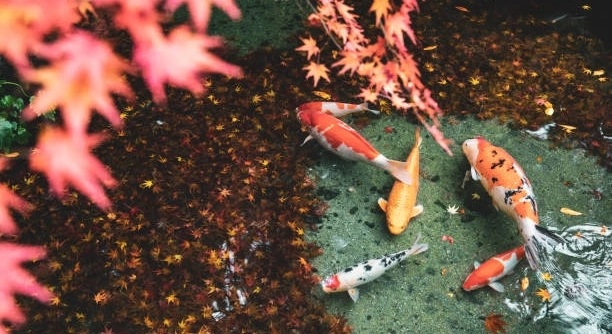
Are you interested in learning about the behavior of koi fish during nighttime? Many koi owners wonder how their fish act when the sun goes down. Understanding this can help you better care for your koi pond and fish.
Koi fish are generally less active at night, resting near the bottom or in sheltered areas of the pond. Their metabolism slows down in cooler, darker conditions, leading to reduced movement and feeding behavior during nighttime hours.
Knowing what to expect from koi fish at night can improve your pond management and enhance your appreciation of these beautiful creatures.
How Koi Fish Behave at Night
Koi fish tend to slow down significantly when night falls. As daylight fades, their activity decreases, and they often settle near the bottom or in shaded areas of the pond. This behavior helps them conserve energy because their metabolism drops with the lower temperatures and reduced light. At night, koi usually avoid swimming around too much, preferring calm and quiet. You might notice them resting quietly in groups or alone, often near plants or structures that provide some cover. Unlike during the day when they are active and feeding, nighttime is mostly a resting period. Their reduced movement also helps protect them from predators that might be more active after dark. Even though koi are cold-blooded and their energy levels depend on the environment, they are well adapted to these quieter hours. Observing this calm behavior can give you a better understanding of their natural rhythms.
Koi fish are mostly inactive at night, focusing on rest and energy preservation in cooler, darker conditions.
Recognizing these patterns will help you avoid disturbing your koi during their rest and maintain a peaceful pond environment for their health.
Feeding Koi Fish in the Evening
Koi usually eat less or not at all once the sun sets. Their digestion slows down as their bodies cool, meaning feeding them late can cause health problems. Feeding koi at night is generally not recommended because uneaten food can pollute the pond and encourage harmful bacteria growth. Instead, it’s better to feed koi during the warmer daylight hours when their metabolism is more active. Proper feeding times also reduce waste, keeping the water cleaner and healthier. If you notice koi searching for food at dusk, a small snack might be okay, but it’s best to avoid heavy feeding after dark. This helps the fish stay healthy and prevents water quality issues. Maintaining a regular feeding schedule during the day supports your koi’s natural routine and overall well-being.
Evening feeding can cause leftover food and water quality issues.
Feeding koi fish at the right time is important to avoid stress and keep your pond clean. Avoid giving food after sunset to support their health and the pond’s balance.
Koi Fish and Nighttime Lighting
Koi are sensitive to changes in light, and bright artificial lights at night can disrupt their natural behavior.
If your pond has strong lighting after dark, koi may become stressed or confused, swimming more than usual or hiding. It’s best to keep nighttime lighting soft and minimal. Gentle lighting helps koi maintain their natural rest patterns and reduces unnecessary energy use. Too much light can also attract insects, which might disturb the pond environment. Using dim or motion-activated lights around the pond is a good idea if you need illumination for safety or aesthetics. This balance helps koi stay calm and comfortable during the night while allowing you to enjoy the pond’s beauty.
Controlling light exposure helps koi preserve their natural rhythm and keeps the pond ecosystem stable.
How Temperature Affects Koi Activity at Night
Temperature plays a major role in koi behavior after dark. When the water cools at night, koi become less active because they are cold-blooded and rely on their environment to regulate body heat. Cooler water slows their metabolism, which reduces swimming and feeding. If the temperature drops significantly, koi may even stay very still to conserve energy. Warmer nights lead to slightly more movement, but overall, koi remain calmer compared to daytime activity. Pond heaters or covers can moderate temperature changes but are not always necessary unless you live in very cold climates. Watching how your koi respond to night temperatures can help you adjust care practices, such as feeding and water maintenance, to support their health through seasonal changes. Proper temperature management ensures koi remain healthy and stress-free throughout the year.
Common Nighttime Koi Behaviors
At night, koi often gather in groups for safety and warmth. They stay close to the pond bottom or sheltered spots.
You might notice koi being very still or moving slowly. This behavior helps them conserve energy and avoid predators in the dark.
Signs of Stress in Koi at Night
If koi swim erratically or try to jump out of the pond at night, it can signal stress. Poor water quality, bright lights, or sudden temperature changes often cause this. Stress can weaken their immune system, so addressing these issues quickly is important for their well-being.
Nighttime Pond Maintenance Tips
Avoid cleaning or disturbing the pond at night to keep koi calm. Nighttime is their rest period, so maintain the pond mainly during daylight.
How to Create a Calm Night Environment for Koi
Keeping the pond quiet and dimly lit at night helps koi feel safe and secure. Minimizing noise and avoiding bright lights supports their natural rest cycle.
Are koi fish nocturnal?
Koi fish are not truly nocturnal. They are more active during the day when the light and temperature support their feeding and swimming habits. At night, koi tend to rest and move less. Their activity slows because they rely on environmental cues like daylight and warmth to regulate their behavior. Unlike nocturnal animals, koi do not actively search for food or explore at night. Instead, they enter a resting state, conserving energy until the next day. This pattern is natural and helps keep them healthy.
Can koi fish see at night?
Koi fish have good vision, but their eyesight is adapted to daylight conditions. At night, their ability to see is reduced because there is little to no light in their environment. They rely more on other senses like touch and water vibrations to navigate in the dark. While they can detect movement and shapes in low light, they do not hunt or feed actively after sunset. This limited night vision helps them avoid predators but also encourages them to rest during the night hours.
Is it harmful to keep koi pond lights on overnight?
Keeping bright lights on overnight can stress koi fish. Constant exposure to artificial lighting disrupts their natural day-night cycle and rest periods. Stress from light pollution can lead to weakened immune systems and unusual behavior, such as erratic swimming or hiding. To protect your koi, use dim or motion-sensitive lighting if illumination is necessary around the pond at night. Soft, indirect light helps koi maintain their natural rhythm without disturbing their rest or pond ecosystem.
How often should koi be fed if they are less active at night?
Koi should be fed primarily during daylight hours when they are most active and can properly digest food. Feeding in the early morning and late afternoon works best. Avoid feeding koi at night since their metabolism slows down and they don’t digest well in cooler temperatures. Overfeeding or feeding at night can lead to uneaten food, polluting the pond and harming water quality. Keeping a consistent daytime feeding schedule supports koi health and keeps the pond cleaner.
Why do koi sometimes become more active at night?
Koi might show brief activity at night if pond conditions change, such as temperature spikes or disturbances. Sometimes, bright lights, loud noises, or predators can make koi swim more actively or hide. Young koi or koi in warmer climates may also have more nighttime movement. However, this is not typical behavior and usually signals stress or environmental changes. Monitoring water quality, lighting, and noise can help prevent unnecessary koi activity at night.
Do koi sleep like humans do?
Koi don’t sleep in the same way humans do but enter a restful state during the night. They reduce movement and lower their metabolism to conserve energy. Their eyes remain open, but their body functions slow down. This restful period allows koi to recover and prepare for daytime activity. Providing a calm, dark environment helps support this natural rest cycle.
Can predators affect koi activity at night?
Yes, predators like raccoons, herons, or cats are more active at night and can disturb koi. This threat makes koi stay still or hide near the pond bottom or dense plants. If your koi show signs of stress or sudden activity at night, it may be due to predators nearby. Installing pond netting or motion-activated lights can help protect koi and reduce nighttime stress.
Is it necessary to heat a koi pond for nighttime temperatures?
Heating a koi pond overnight is not always necessary unless you live in very cold climates. Koi can tolerate cooler water but become less active as temperatures drop. In freezing conditions, pond heaters or de-icers prevent ice from covering the surface and harming fish. Maintaining stable water temperatures supports koi health but avoid sudden temperature changes that can stress the fish.
How can I tell if my koi are healthy at night?
Healthy koi at night will stay calm and mostly still, gathering in safe areas of the pond. Signs of poor health include erratic swimming, gasping at the surface, or hiding constantly. Clear water, balanced temperature, and minimal nighttime disturbance help koi remain healthy and stress-free. Regularly checking on your koi’s nighttime behavior can give clues about their overall condition.
What should I do if koi become very active or restless at night?
If koi are unusually active or restless at night, check for environmental issues like water quality problems, sudden temperature changes, bright lights, or predators. Fixing these issues quickly can calm your koi. Also, reduce nighttime feeding and minimize noise around the pond. Providing hiding places and gentle lighting helps koi feel secure and return to normal rest patterns.
Koi fish are interesting creatures that follow natural rhythms, especially when it comes to their activity at night. Unlike daytime, when they swim actively and look for food, nighttime is mostly a period of rest for them. Their movement slows down as the water cools and the light fades. This slower pace helps koi conserve energy and stay safe from potential dangers that come out after dark. It is important for koi keepers to understand these patterns to provide the best care and a peaceful environment for their fish.
Keeping a calm and stable pond environment at night benefits koi health. Bright lights, loud noises, or sudden changes in temperature can cause stress and disrupt their rest. Koi need soft lighting or no lighting at all during nighttime to maintain their natural behavior. Feeding should be done during the day when koi can properly digest food. Feeding at night may lead to leftover food in the pond, which can harm water quality and cause health problems for the fish. Being aware of these factors can help koi owners avoid unnecessary stress for their fish and maintain a healthy pond ecosystem.
Watching koi at night can be a quiet and rewarding experience. You may notice them gathering near the bottom or resting in sheltered spots, showing their calm and restful state. This behavior is natural and shows that your koi are following their internal clock. By creating a suitable environment that respects their nighttime needs, you help your koi thrive. In the end, understanding how koi behave after dark makes caring for them easier and helps you enjoy the peaceful beauty they bring to your pond.

Hello,
If you enjoy the content that we create, please consider saying a "Thank You!" by leaving a tip.
Every little bit helps us continue crafting quality advice that supports the health, happiness, and well-being of pets around the world, for pets of all shapes, sizes, and species.
We really appreciate the kindness and support that you show us!