
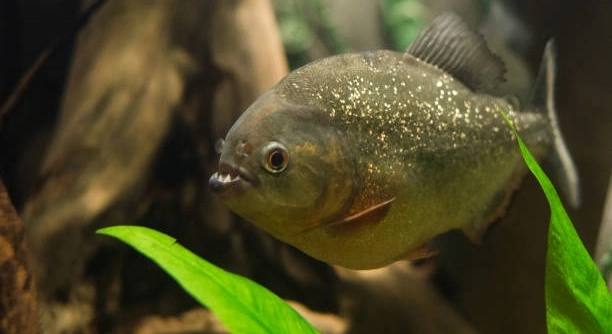
Tank aggression is a common issue among fishkeepers, often caused by various environmental and social factors. Understanding what leads to aggression can improve the health and harmony of aquarium inhabitants. This article outlines seven key conditions that contribute to aggressive behavior.
Aggression in aquarium tanks primarily results from overcrowding, improper tank size, incompatible species, poor water quality, insufficient hiding spots, territorial disputes, and inconsistent feeding schedules. These conditions create stress and competition, triggering aggressive interactions among fish.
Recognizing these factors can help maintain a peaceful tank environment and improve the well-being of your aquatic pets.
Overcrowding and Its Impact on Tank Behavior
Overcrowding is one of the main reasons fish become aggressive in an aquarium. When too many fish share a limited space, they compete for resources such as food, hiding spots, and territory. This competition can cause stress and frustration, leading to increased aggression. Fish need enough room to swim freely and establish their own space. Without adequate space, dominant fish may bully others, resulting in injuries or constant stress. Overcrowding also affects water quality, as waste builds up faster with more fish in the tank. Maintaining proper stocking levels is essential for a balanced environment. Each species has specific space requirements, so understanding these needs before adding fish is important. Avoiding overcrowding helps create a calmer, healthier aquarium where fish coexist peacefully without constant conflicts.
Keeping fewer fish or choosing species with similar space needs can reduce aggression. Planning tank capacity carefully supports a stable environment.
Managing overcrowding involves regular monitoring and adjusting fish numbers. Introducing compatible species with similar temperaments also helps maintain harmony in the tank.
Improper Tank Size
Using a tank that is too small for the fish species present increases stress and aggression. Fish require enough space to swim comfortably and establish territories. Small tanks limit their movement and natural behaviors, causing frustration. When fish cannot escape or find refuge, they may attack others more often. Territorial species especially need adequate space to mark their boundaries. Insufficient tank size also means water quality deteriorates quickly, which adds to the stress levels. Many fishkeepers underestimate how large a tank should be, which leads to avoidable aggression problems. Choosing the right tank size from the start is crucial for a peaceful aquarium. Ensuring proper dimensions supports both the physical and mental well-being of fish.
A well-sized tank helps reduce conflict by providing enough room for fish to thrive naturally.
Investing in a larger tank may seem costly, but it pays off by lowering stress and aggression. When selecting tank size, consider the adult size of each species, not just juveniles. This planning prevents overcrowding and territorial disputes as fish grow. Providing ample space encourages natural behavior and reduces fighting. A spacious tank also offers room for decorations and hiding spots, which further decrease tension. Avoid placing incompatible species together in small tanks, as this often leads to aggression. Overall, proper tank size forms the foundation for a healthy and peaceful aquatic environment. Regular maintenance and monitoring complement tank size to ensure lasting harmony among fish.
Incompatible Species
Choosing fish species that do not get along often leads to aggression. Some fish are naturally territorial or predatory, while others prefer peaceful community settings. Mixing these can cause constant fighting.
Fish with similar temperaments and size tend to coexist better. Aggressive species like cichlids should be kept apart from small, timid fish. Predatory species may see smaller fish as food, increasing stress and attacks. Compatibility depends on behavior, tank size, and environment. Careful selection reduces conflicts and supports a more balanced aquarium. Researching each species’ needs before combining them is essential.
Even within community tanks, subtle personality differences can cause tension. Observing fish behavior regularly helps identify potential problems early. Adjusting the mix of species or separating aggressive fish can prevent injuries and stress. Providing plenty of hiding spots and territory markers also eases disputes between incompatible species.
Poor Water Quality
Water conditions directly affect fish health and behavior. Poor water quality raises stress, causing aggression. High ammonia, nitrite, or nitrate levels irritate fish and reduce immunity. Inconsistent temperature or pH fluctuations also contribute.
Maintaining clean water through regular changes and monitoring is essential. A well-filtered tank stabilizes water chemistry, promoting calmer fish. Stress from poor water quality can trigger fights over limited safe space. Fish exposed to toxins become defensive and aggressive to protect themselves. Proper filtration and routine testing keep the environment stable. Even minor changes in water quality can cause noticeable shifts in fish behavior.
Testing water weekly and performing partial water changes help maintain ideal conditions. Avoid overcrowding and overfeeding to reduce waste buildup. Using conditioners can neutralize harmful chemicals. Clean tanks encourage healthy fish interactions and reduce aggression incidents. Monitoring water parameters is a key step in managing fish aggression.
Insufficient Hiding Spots
Lack of hiding places increases stress and triggers aggression in fish. Without shelter, weaker fish cannot escape from dominant ones. Providing plenty of hiding spots is essential for peace.
Plants, rocks, and decorations help create natural barriers. These reduce direct confrontations and allow fish to feel secure.
Territorial Disputes
Territorial fish need clearly defined spaces to avoid conflict. When boundaries overlap, aggression rises. Fish defend their areas aggressively to protect resources or mates. Proper tank layout with ample space and dividers reduces these disputes. Recognizing territorial behavior early allows for better management and tank adjustments.
Inconsistent Feeding Schedules
Irregular feeding can cause competition and aggression. Hungry fish become more aggressive while vying for food. Keeping a consistent feeding routine reduces stress and fights.
Stress from Environmental Changes
Sudden changes in water temperature or light cycles stress fish. Stressed fish are more prone to aggressive behavior.
What causes aggression in fish tanks?
Aggression in fish tanks is usually caused by environmental stress, overcrowding, incompatible species, and lack of proper space or hiding spots. Poor water quality and inconsistent feeding also contribute. Fish compete for territory, food, and shelter, which can trigger fights and dominance behavior. Stress makes fish defensive and more likely to attack others.
How can I reduce aggression in my aquarium?
Reducing aggression involves maintaining proper tank size, avoiding overcrowding, and selecting compatible species. Providing plenty of hiding spots helps fish feel secure and lowers tension. Keeping water clean and stable supports overall health, which minimizes stress-related aggression. Regular feeding on a consistent schedule also prevents competition for food.
Is it normal for some fish to be aggressive?
Yes, some fish species are naturally more territorial or aggressive than others. For example, many cichlids and bettas display strong territorial behavior. Understanding species traits helps manage their needs and avoid mixing incompatible fish. Even peaceful species can show aggression if stressed or crowded.
Can tank decorations reduce aggression?
Decorations like plants, rocks, and caves create physical barriers that break up line of sight. These allow fish to retreat or hide, reducing direct confrontations. Well-placed decorations establish territories and offer refuge spots, which lowers aggressive encounters. This is especially important in community tanks.
What role does water quality play in fish aggression?
Poor water quality increases stress and weakens fish, making them more aggressive. High ammonia, nitrite, or nitrate levels irritate fish and affect their immune systems. Fluctuations in temperature or pH also cause discomfort. Keeping water clean and stable helps maintain peaceful behavior.
How do feeding habits affect aggression?
Irregular or insufficient feeding leads to competition and fights over food. Hungry fish become more territorial and aggressive during feeding times. Providing a consistent feeding schedule with adequate portions helps reduce food-related conflicts and stress.
Can overcrowding cause fights?
Overcrowding limits space, forcing fish into close contact. This increases competition for territory and resources. Dominant fish may bully others, causing injuries or stress. Maintaining proper stocking levels for each species is critical to prevent overcrowding-related aggression.
Are there ways to separate aggressive fish?
Yes, aggressive fish can be separated using tank dividers or by moving them to a different tank. Rearranging the tank layout or adding more hiding spots can also reduce conflict. In some cases, removing the most aggressive fish is necessary to protect others.
Does tank size affect aggression levels?
Smaller tanks restrict movement and territory, which raises aggression, especially in territorial species. Larger tanks provide enough space for fish to establish separate zones, reducing conflicts. Choosing the right tank size based on species and number of fish is important.
How important is species compatibility in preventing aggression?
Species compatibility is key to a peaceful tank. Mixing aggressive fish with peaceful or much smaller species often leads to bullying or predation. Researching fish temperaments and behaviors before stocking the tank helps avoid conflicts and stress.
Can stress from environmental changes trigger aggression?
Yes, sudden changes in water temperature, lighting, or tank rearrangement stress fish. Stressed fish are more defensive and prone to attack others. Keeping stable environmental conditions and making changes gradually helps maintain calm behavior.
Is aggression always a sign of poor care?
Not necessarily. Some aggression is natural, especially during breeding or territorial defense. However, persistent or severe aggression often signals stress or improper tank conditions. Addressing environment, species selection, and care routines usually improves behavior.
What are signs that aggression is harming my fish?
Look for torn fins, wounds, or constant chasing. Fish hiding excessively or showing signs of stress such as rapid breathing may also indicate aggression problems. Early intervention prevents injury and improves tank harmony.
How can I introduce new fish without increasing aggression?
Introduce new fish slowly and during feeding times to distract existing fish. Quarantine new arrivals before adding them and rearrange tank decorations to reset territories. Adding several fish at once may reduce bullying on newcomers.
Are there fish that never show aggression?
Almost all fish can show aggression under stress or poor conditions. Some species are known for peaceful behavior, like neon tetras or Corydoras catfish, but no fish is completely free from territorial instincts. Good tank management is essential regardless.
Can lighting influence fish aggression?
Sudden changes in lighting can startle fish and increase stress, potentially causing aggressive behavior. Consistent light cycles mimic natural conditions and support calm behavior. Avoid abrupt lights on or off during active periods.
Does water temperature affect fish temperament?
Fish metabolism and activity levels change with temperature. Too warm or cold water stresses fish, making them irritable and prone to aggression. Keeping temperature within species-specific ranges supports natural behavior and reduces conflicts.
What should I do if aggression gets out of control?
If aggression leads to injury or constant stress, immediate action is needed. Separate aggressive fish, increase hiding spots, improve water quality, and reduce stocking levels. Sometimes, rehoming aggressive fish is the only solution to restore balance.
How often should I monitor water parameters to prevent aggression?
Weekly testing of ammonia, nitrite, nitrate, pH, and temperature is recommended. Frequent monitoring helps detect changes early and prevent stress-related aggression. Maintaining stable, clean water supports peaceful fish interactions.
Can feeding too much cause aggression?
Overfeeding can pollute water, stressing fish and triggering aggression indirectly. It also causes uneven feeding where dominant fish monopolize food. Feeding the right amount at regular times ensures healthy behavior and reduces competition.
Final thoughts on managing aggression in fish tanks focus on creating a balanced environment that meets the needs of all tank inhabitants. Aggression often arises from stress, overcrowding, or incompatible species. By paying attention to tank size, water quality, and proper feeding routines, many common triggers can be avoided. It is important to recognize that some level of aggression is natural among fish, especially those with territorial instincts, but minimizing unnecessary conflict improves the overall health and harmony of the aquarium.
Maintaining a peaceful tank requires consistent effort. Regular water testing and changes help keep conditions stable and reduce stress on fish. Providing enough space and hiding spots gives fish the ability to establish territories without constant confrontation. Thoughtful species selection based on temperament and size also plays a key role. Mixing fish that have different activity levels and behaviors can reduce competition. Finally, observing fish behavior closely allows timely intervention if aggression becomes harmful. Adjustments to the tank setup or population may be needed to maintain a balanced community.
Understanding the causes of aggression and responding appropriately benefits both the fish and the keeper. A calm, well-maintained tank creates a better environment for fish to thrive and display natural behaviors without constant fighting. Patience and attention to detail are essential when managing aggression. This approach helps create a more enjoyable and successful aquarium experience, where each fish can live in relative peace. Taking steps to address aggression early prevents larger problems and supports the long-term health of the tank ecosystem.

Hello,
If you enjoy the content that we create, please consider saying a "Thank You!" by leaving a tip.
Every little bit helps us continue crafting quality advice that supports the health, happiness, and well-being of pets around the world, for pets of all shapes, sizes, and species.
We really appreciate the kindness and support that you show us!