
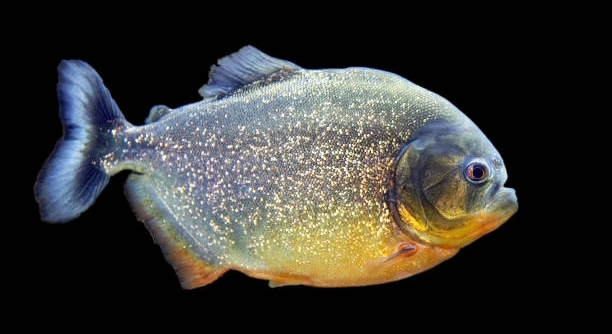
Many people keep piranhas as pets and want to know more about them. Knowing whether your piranha is male or female can help with care and breeding. It is important to understand the differences to give them the best environment.
Sexing piranhas involves examining their body shape, coloration, and behavior. Males tend to have slimmer bodies and brighter colors, especially during breeding seasons, while females are usually rounder with a fuller belly. Observing these traits can help determine their sex.
Learning to identify your piranha’s sex can improve your care routine and make breeding easier. This guide will help you spot the key signs clearly and simply.
Physical Differences Between Male and Female Piranhas
When trying to tell if your piranha is male or female, the first thing to look at is their body shape. Males usually have a slimmer and more elongated body compared to females, who tend to be rounder, especially around the belly area. This fullness in females is often due to carrying eggs. Coloration is another key feature. Male piranhas often display brighter, more intense colors, particularly around the belly and fins during breeding season. Females usually have duller, less vivid colors overall. Another subtle sign is the size of the fins—males can have slightly longer and more pointed fins. It is important to observe these traits carefully over time because some changes happen only during breeding. Lighting and tank conditions can also affect how colors appear, so try to view your fish in good natural or aquarium light for the best observation.
Males tend to be slimmer and more colorful, while females appear rounder and less vibrant, especially when ready to breed.
Understanding these physical differences will help you identify your piranha’s sex more accurately. Watching your fish closely during different seasons will give you clearer signs, especially if breeding is your goal. Over time, you’ll become more confident spotting these traits with less guesswork.
Behavioral Signs to Watch For
Behavior can also reveal your piranha’s sex. Males often act more territorial and aggressive, especially around breeding times. They may chase other fish away from their space or display specific postures to show dominance. Females are usually less aggressive and more reserved. They spend more time near plants or hiding spots, especially if they are carrying eggs. During mating, males can become very active and start cleaning surfaces in the tank to prepare for egg laying. This kind of behavior is a strong indicator of a male piranha.
Male piranhas show more territorial and active behavior, while females tend to be calmer and more secretive.
Behavioral observation adds another useful layer to identifying sex, especially when physical signs are subtle. If you keep your piranhas in groups, watch for these interactions closely. Noticing who is defending territory or cleaning the tank can help confirm which fish is male. Females focusing on resting or hiding might be preparing for spawning. Combining this with physical traits will give you a clear picture of your piranha’s sex and help you manage their care better.
When to Check for Sex Differences
The best time to check your piranha’s sex is during the breeding season. This is when males show their brightest colors and most distinct behaviors. Outside of this period, differences may be less obvious.
During breeding season, males display more vibrant colors, especially on their bellies and fins, while females develop a noticeably rounder belly as they prepare to lay eggs. Males become more territorial and active, often cleaning areas of the tank to attract females. Females may stay near plants or hiding spots, conserving energy for spawning. Watching these changes closely during this time helps in accurate identification.
If you’re not observing during breeding season, look for subtle shape differences. Males remain slimmer and more streamlined, while females keep a fuller, rounder body. Combining these observations with behavior over time is the most reliable way to determine their sex.
Tools That Can Help Identify Sex
Magnifying glasses or close-up camera lenses can make subtle features easier to see. Good lighting is essential to notice color differences and body shapes clearly.
Using these tools allows for detailed inspection of your piranha’s fins, scales, and coloration patterns. With a magnifier, you can observe fin length and shape more precisely, which often differs between males and females. Cameras with zoom can help capture images to compare over time. Proper lighting reduces shadows that can hide important details, making it easier to spot brighter colors on males or fuller bellies on females.
These tools support more confident sex identification, especially for less obvious differences. They make it easier to track changes through the breeding season and improve your care by knowing exactly what sex your piranha is.
Common Mistakes to Avoid
Rushing to identify your piranha’s sex can lead to mistakes. It’s important to observe over time and under good lighting conditions.
Assuming color alone determines sex can be misleading. Some females may show bright colors, and juvenile males might not be fully developed.
How Tank Conditions Affect Appearance
Tank conditions like lighting, water quality, and stress levels impact how clearly you can see your piranha’s physical traits. Poor lighting can dull colors, and stress may cause your fish to hide or lose vibrancy. Keeping your tank clean and stable helps your piranha show its true colors and behaviors, making sex identification easier.
When to Consult a Professional
If you are still unsure about your piranha’s sex after careful observation, it may be helpful to consult an expert. Experienced aquarists or veterinarians can provide guidance or use specialized techniques for accurate identification.
FAQ
How can I tell if my piranha is male or female without breeding signs?
Outside of breeding season, it’s harder to tell the sex of your piranha. Focus on body shape: males tend to be slimmer, while females have a fuller, rounder belly. Check the fins too; males often have slightly longer and more pointed fins. Color differences may be less noticeable, so observing behavior and physical traits together over time is the best way to get an idea.
Do male and female piranhas have different diets?
No, both males and females eat similar diets. Piranhas are mostly carnivorous, enjoying fish, insects, and meat-based foods. Their nutritional needs don’t change much by sex, but breeding females may require extra nutrition to support egg development. Feeding a balanced diet with high protein helps keep both healthy.
Can male and female piranhas live together peacefully?
Yes, males and females can live together, especially if the tank is large enough with hiding spots. However, males may become territorial or aggressive during breeding periods. It’s important to monitor their behavior and separate them if fighting occurs to avoid stress or injury.
How long does it take to notice differences in piranha sex?
It varies, but clear differences usually appear during breeding season, which happens once a year depending on the species and environment. Outside of that, it can take weeks or months of close observation to spot subtle differences in body shape and behavior.
Can juvenile piranhas be sexed accurately?
Juvenile piranhas are very difficult to sex because their physical traits and colors aren’t fully developed. It’s best to wait until they mature, usually around one year old, to make a more accurate assessment.
Is it necessary to know the sex of my piranha if I’m not breeding them?
Knowing the sex isn’t essential if you’re only keeping piranhas as pets. However, it helps in understanding their behavior better and managing aggression, especially in mixed groups. If you plan to breed, knowing the sex becomes important for successful pairing.
What are the signs of a healthy male versus a healthy female piranha?
A healthy male usually has bright, vivid colors and smooth, pointed fins. His body is sleek and muscular. A healthy female appears rounder with a fuller belly but still active and responsive. Both sexes should swim actively, eat well, and show no signs of illness or stress.
Are there any tools to make sex identification easier?
Magnifying glasses, good aquarium lighting, and cameras with zoom can help you see subtle physical details. Using these tools allows you to notice differences in fin shape, coloration, and body form more clearly, especially during the breeding season.
Can stress affect the appearance of my piranha?
Yes, stress can cause dull colors and hiding behavior, making it harder to spot sex differences. Stress factors include poor water quality, overcrowding, or sudden changes in environment. Keeping the tank clean and stable helps your piranha show its natural colors and behavior.
How often should I check my piranha for sex differences?
Regular observation every few weeks is good, especially during breeding season. Frequent checks help you notice changes over time and catch signs early. Avoid stressing your fish by handling them too much during checks. Watch calmly and take notes if needed.
Knowing how to tell if your piranha is male or female can be very helpful, especially if you want to care for them properly or try breeding. The main differences come from their body shape, colors, and behavior. Males tend to be slimmer with brighter colors, while females are rounder with fuller bellies. These changes become easier to see during the breeding season. Outside that time, it takes more careful watching and sometimes tools like magnifiers or good lighting to notice the differences. Taking time to observe your fish regularly will give you the best chance to tell their sex correctly.
It’s important to remember that piranhas, like many fish, can sometimes be tricky to sex because the differences are not always very clear. Juvenile piranhas do not show obvious signs until they grow older, and stress or poor tank conditions can affect how their colors and behavior appear. Keeping your aquarium clean and stable will help your piranhas stay healthy and show their natural traits better. Watching for changes in how they swim, eat, and interact with other fish will also give clues to their sex. Sometimes you might need expert advice if you are still unsure after careful observation.
Understanding whether your piranha is male or female helps improve their care and tank environment. If you plan to breed them, knowing the sex is very important to prepare and create the right conditions. Even if you do not breed them, knowing the differences can help you understand their behavior better, especially since males can be more aggressive or territorial at times. Overall, patience and close attention are key. By learning these simple signs, you can make your piranha’s life better and enjoy watching them thrive in your aquarium.

Hello,
If you enjoy the content that we create, please consider saying a "Thank You!" by leaving a tip.
Every little bit helps us continue crafting quality advice that supports the health, happiness, and well-being of pets around the world, for pets of all shapes, sizes, and species.
We really appreciate the kindness and support that you show us!