
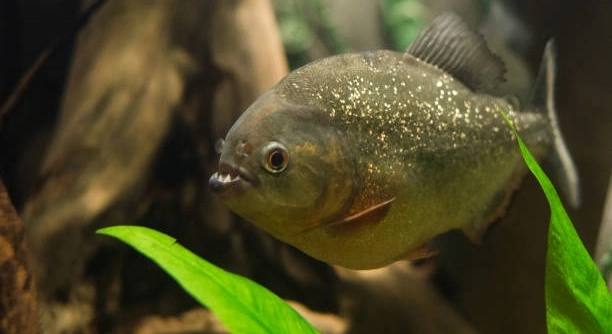
Small adjustments in a tank’s setup can create noticeable changes in the behavior of its inhabitants. These changes often go unnoticed but can greatly affect the well-being and interactions within the tank. Understanding these subtle shifts is important for maintaining a healthy environment.
Seven minor modifications to tank conditions can significantly influence animal behavior by altering environmental stimuli and stress factors. These adjustments include changes in lighting, water flow, hiding spaces, and substrate type, each contributing to shifts in activity, social interactions, and overall health.
Recognizing these small yet impactful factors helps improve tank management and promotes a more balanced ecosystem. This article highlights key changes that bring about meaningful behavioral outcomes.
Lighting Adjustments and Behavioral Impact
Changing the lighting in a tank can greatly influence the animals inside. Brighter lights may cause stress or encourage hiding, while dimmer lighting often promotes calmness and natural behavior. Many species have specific light preferences that affect their activity levels and social interactions. For example, too much light can make fish or amphibians less active, while low light encourages exploration. Adjusting the timing of the lights can also simulate natural day and night cycles, which helps maintain regular behavior patterns. This simple change supports feeding schedules, mating behaviors, and rest periods, leading to healthier inhabitants. Paying close attention to light intensity and duration allows for better control over tank dynamics and supports a more balanced environment overall.
Proper lighting helps create a natural and comfortable habitat. Adjusting this factor can reduce stress and improve interaction within the tank community.
Lighting changes are often the first step to influencing behavior. Matching the light to the species’ natural needs improves their well-being. Using timers and adjustable lights makes it easier to simulate realistic conditions. These modifications contribute to a more predictable and stable environment, supporting natural rhythms. Behavioral changes such as increased activity, reduced hiding, or improved social interaction can be traced to well-managed lighting. This highlights how essential light management is in tank care. It is an easy, effective way to create a supportive habitat that meets the daily needs of the tank’s inhabitants.
Water Flow and Movement Effects
Water flow influences how animals move and behave in a tank. Proper flow prevents stagnation and mimics natural environments, encouraging exercise and normal patterns.
Adjusting water flow affects oxygen levels and cleanliness. It also changes how fish and other creatures interact with their surroundings. Some species prefer calm water, while others thrive in strong currents. Too much flow can cause stress and fatigue, while too little leads to waste buildup and health issues. Water movement also affects feeding behavior, as currents can carry food differently. Creating zones with varying flow rates helps meet different species’ preferences and needs. Careful observation and adjustment are key to finding the right balance. Proper water movement supports overall tank health and encourages more natural, relaxed behavior among the inhabitants.
Substrate Changes and Behavior
The type of substrate influences how tank inhabitants interact with their environment. Some animals prefer soft, fine substrates, while others need coarse or rocky bases to feel secure.
Different substrates affect digging, burrowing, and resting behaviors. For example, fish that sift through sand may become stressed if placed on gravel. Substrate also impacts water quality by affecting waste buildup and bacterial growth. Choosing the right substrate helps mimic natural habitats, reducing stress and encouraging natural behaviors. A poorly chosen substrate can lead to hiding, inactivity, or aggression. Switching substrates gradually allows animals to adapt without causing sudden behavioral disruptions.
Substrate texture and composition influence how animals use their space. Proper substrate supports feeding, shelter, and movement. It also contributes to the tank’s overall health by promoting beneficial bacterial colonies. This creates a healthier, more comfortable habitat where inhabitants can express natural behaviors more freely.
Hiding Spaces and Social Behavior
Hiding spots reduce stress and provide safety, encouraging natural social interactions. Without enough shelter, animals may become aggressive or withdrawn.
Adding plants, caves, or other shelters helps establish territories and reduces conflicts. These spaces allow shy or stressed animals to retreat, improving group dynamics. The presence of hiding places promotes exploration and active behavior because animals feel secure. Social species benefit from structured environments that balance interaction with privacy. Lack of hiding areas can cause increased aggression, leading to health problems. Regularly changing or rearranging hiding spots stimulates natural curiosity and prevents boredom, supporting mental well-being.
Providing adequate hiding spaces encourages calmer, more balanced social behavior. It helps establish clear boundaries and supports species-specific needs. This adjustment improves harmony within the tank and encourages more natural interaction patterns among inhabitants.
Temperature Adjustments
Small shifts in temperature can change activity levels and metabolism. Cooler temperatures may slow movement, while warmer water increases energy and feeding rates.
Consistent temperature helps maintain regular behavior patterns. Sudden fluctuations cause stress and reduce immune response. Keeping the tank within the ideal range for its species is essential for stability and comfort.
Tank Size and Space
Tank size directly affects territorial behavior and stress levels. Crowded conditions increase aggression and competition. Providing ample space reduces conflicts and supports natural movement. Animals in larger tanks tend to display more normal social behaviors and are generally healthier.
Plant Placement
Plants offer both cover and environmental enrichment. Their arrangement influences hiding spots and swimming paths. Well-placed plants encourage exploration and reduce stress by providing secure areas and visual barriers.
Feeding Schedule
Regular feeding times build routine and reduce anxiety. Erratic feeding can cause competition and stress, leading to aggressive or withdrawn behavior. Consistency supports better health and more predictable interactions.
How do minor tank changes cause big behavior shifts?
Small adjustments to a tank’s environment affect the comfort and stress levels of its inhabitants. Even subtle differences in lighting, water flow, or hiding spaces can change how animals move, feed, and interact. These shifts happen because animals rely on stable conditions to feel secure and behave naturally. When something changes, their instincts respond by altering activity, social behavior, or resting patterns. This is why minor tweaks in the setup can lead to surprisingly large effects on behavior.
Can changing the lighting improve tank inhabitants’ health?
Yes, lighting is crucial for maintaining regular biological rhythms. Proper lighting supports feeding, mating, and resting cycles. Bright or constant lighting can cause stress, while too little light might reduce activity. Adjusting light intensity and duration to better match natural conditions helps animals feel secure and behave normally. Using timers or dimmable lights can make this easier. Good lighting also supports plant growth, which benefits the entire tank ecosystem.
What impact does water flow have on behavior?
Water flow influences oxygen levels and waste removal, both essential for healthy tank life. Animals respond to flow strength based on their natural habitats. Some prefer calm water and may hide or rest more if currents are too strong. Others thrive in fast-moving water and may become sluggish or stressed if flow is weak. Balancing flow helps animals maintain normal swimming patterns, feeding habits, and social behavior. Creating varied flow zones can accommodate different species in the same tank.
Why is substrate choice important for behavior?
Substrate affects how animals explore, dig, or rest. Certain fish sift through sand, while others prefer rocky or gravel bases. A wrong substrate can cause stress or stop natural behaviors. It also impacts water quality by influencing waste accumulation and beneficial bacteria growth. Choosing the right substrate mimics natural conditions, which promotes normal activity and reduces hiding or aggression. Changing substrate gradually helps animals adapt without sudden stress.
How do hiding spaces influence social dynamics?
Hiding spots reduce stress and prevent conflicts by offering refuge. They allow shy or stressed animals to retreat, which lowers aggression and promotes healthier social interactions. Without enough shelter, animals might become withdrawn or overly aggressive. Properly arranged hiding places help establish territories and balance privacy with interaction. Changing or moving hiding spots occasionally encourages exploration and mental stimulation.
Can temperature shifts cause behavioral changes?
Yes, temperature controls metabolism and energy levels. Cooler water slows movement and feeding, while warmer water increases activity. Sudden temperature changes cause stress, weaken immune systems, and disrupt normal behaviors. Maintaining a steady temperature suited to the species supports stability and comfort. This encourages regular feeding, mating, and social patterns.
Does tank size affect behavior significantly?
Tank size impacts space for movement and territory. Crowded tanks raise stress and aggression due to competition for resources. Larger tanks allow more natural social interactions and reduce conflicts. Providing enough room lets animals express typical behaviors like exploring and establishing territory. Size also affects water quality, indirectly influencing health and behavior.
What role does plant placement play?
Plants provide cover and reduce stress by breaking lines of sight. Their arrangement creates hiding spots and swimming paths, encouraging natural exploration. Well-placed plants help animals feel secure and prevent aggression caused by constant exposure. They also improve water quality and oxygen levels, benefiting the whole tank.
How important is a regular feeding schedule?
Feeding routines reduce anxiety and competition. Erratic feeding can cause stress and aggressive behavior during meal times. Predictable schedules allow animals to anticipate food, supporting calm behavior and better health. Consistent feeding also helps maintain water quality by avoiding overfeeding or leftover waste.
Can these minor changes affect long-term health?
Absolutely. Behavioral stress caused by poor environment conditions weakens immune systems and increases disease risk. Small improvements in tank setup promote natural behavior, reducing stress and supporting long-term well-being. Attention to detail in lighting, flow, hiding spots, substrate, and feeding creates a stable habitat that supports healthier, happier animals.
Minor changes in a tank can lead to significant shifts in the behavior of its inhabitants. Adjustments like substrate type, lighting, or hiding spots may seem small but can have a strong impact on how animals feel and act. These changes affect their comfort, stress levels, and natural instincts. When their environment matches their needs better, animals tend to behave more naturally and show fewer signs of stress. Paying attention to these details can improve the overall health and well-being of tank inhabitants.
It is important to remember that every species has unique requirements. What works well for one type of animal may not be suitable for another. For example, some fish prefer slower water flow, while others need strong currents to feel comfortable. Similarly, substrate preferences vary widely, and the wrong choice can cause hiding or inactivity. Consistency and gradual changes are key. Sudden or large adjustments may cause stress or confusion, leading to negative behavior. Taking time to observe how animals respond to changes helps in creating an environment that supports their natural habits.
In the end, understanding the connection between small tank changes and animal behavior is essential for maintaining a healthy and balanced habitat. Thoughtful adjustments create a more stable and enriching environment, reducing stress and promoting positive social interactions. This careful approach not only benefits the animals but also enhances the enjoyment and satisfaction of caring for a well-functioning tank. Attention to detail and patience make a noticeable difference in the long-term success of any aquatic setup.

Hello,
If you enjoy the content that we create, please consider saying a "Thank You!" by leaving a tip.
Every little bit helps us continue crafting quality advice that supports the health, happiness, and well-being of pets around the world, for pets of all shapes, sizes, and species.
We really appreciate the kindness and support that you show us!