
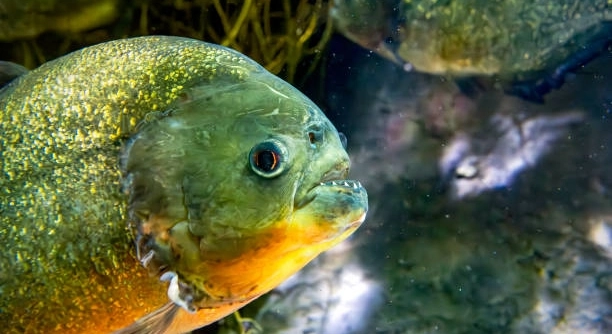
Many people keep piranhas as pets and enjoy watching their lively behavior. Sometimes, these fish can show signs of boredom, which may affect their health and activity levels. Recognizing these signs early can help improve their environment and well-being.
Piranhas display boredom through changes in behavior such as reduced movement, loss of appetite, repetitive swimming patterns, and increased aggression. These indicators suggest the fish lacks proper stimulation or an enriching habitat.
Knowing the signs of boredom can help you create a better space for your piranha to thrive and stay healthy over time.
Signs of Reduced Activity
One common sign that your piranha might be bored is when it becomes less active than usual. You might notice it resting at the bottom of the tank or staying in one spot for long periods. Normally, piranhas are quite energetic and swim around frequently, so a drop in movement can be a clear indicator of boredom. When fish don’t have enough stimulation, they often lose interest in exploring their environment. This can lead to them hiding more or showing sluggish behavior. It is important to observe your piranha regularly so you can spot these changes early. A lively tank with interesting decorations and space to swim usually helps keep your piranha engaged and active.
Bored piranhas may also lose their curiosity about new objects or tank changes, which can affect their overall well-being.
Providing a variety of tank decorations, plants, and hiding spots can encourage natural behaviors and reduce boredom in your piranha. This keeps them mentally and physically stimulated, improving their quality of life.
Repetitive Swimming Patterns
Repetitive swimming is another sign that a piranha might be bored. When a fish swims the same path over and over, it often shows a lack of environmental interest or stimulation. This behavior may look like pacing back and forth or circling in one part of the tank. Such repetition is not normal for piranhas, who usually explore different areas. The confined space or lack of changes in the tank can contribute to this habit. Addressing this by rearranging the tank or adding new items can help break the cycle. Over time, a more engaging tank environment can restore your piranha’s natural curiosity and reduce these repetitive movements. Keeping their habitat interesting is essential for their mental health.
Loss of Appetite
A bored piranha may eat less or show little interest in food. This change can be subtle at first but becomes clear over time. Appetite loss is a sign that the fish is not stimulated enough in its environment.
When piranhas lose interest in their surroundings, their eating habits often suffer. They might refuse food or eat only small amounts. This can affect their health and growth if it continues. Lack of stimulation can cause stress, which also impacts appetite. Offering a varied diet and making the tank more engaging can help improve their interest in feeding. Keeping the fish active and curious supports healthy eating patterns.
Feeding your piranha regularly with fresh food and keeping the environment lively will encourage normal appetite and overall well-being.
Increased Aggression
Boredom can make piranhas more aggressive toward each other or their tank mates. This behavior often arises when the fish feel restless or frustrated. Increased aggression is a clear sign that their environment needs attention.
When piranhas are bored, they may start chasing or nipping at other fish more often. The confined space and lack of stimulation can lead to this heightened territorial behavior. Aggression can cause injuries and stress, affecting the whole tank’s balance. To reduce this, add hiding spots or rearrange the tank to break up clear territories. Providing mental challenges like new decorations or occasional changes helps lower aggression levels. A less aggressive environment makes for a healthier and calmer tank community.
Hiding More Than Usual
A bored piranha may hide more often, staying out of sight for long periods. This behavior can show that the fish feels unstimulated or stressed in its environment.
Hiding reduces interaction and movement, which can worsen boredom. Adding more plants or decorations gives your piranha comfortable hiding spots without isolating it completely.
Loss of Color
Piranhas can lose their bright colors when bored or stressed. Dull coloration often reflects poor mental and physical health.
This fading is linked to lack of stimulation and poor diet. A lively tank with varied foods and enrichment helps maintain their natural colors and keeps them healthier.
Lethargy
When piranhas become lethargic, it often signals boredom or poor tank conditions. They may lie still or float near the surface for long times.
Addressing boredom with tank enrichment and good care routines can restore their energy and natural behavior.
How can I tell if my piranha is bored or sick?
Boredom and illness in piranhas can look similar, but there are differences. Bored fish usually show changes in behavior like swimming in circles, hiding more, or losing interest in their environment. Sick piranhas might show physical signs such as spots, swelling, or labored breathing. If your piranha is eating less and less but still appears physically healthy, boredom might be the cause. However, if you notice any physical changes or persistent lethargy, it’s best to check water quality and consider illness. Regular observation and water testing help tell the difference and keep your fish healthy.
What are the best ways to reduce boredom in a piranha’s tank?
Providing a stimulating environment is key. Add plants, rocks, and hiding places to give your piranha spots to explore and rest. Rearranging tank decorations regularly can also spark curiosity. Make sure the tank is large enough for swimming freely, as cramped spaces increase boredom. Using different lighting levels during the day encourages natural behavior. You can also interact by gently tapping the tank or placing food in different spots to motivate your piranha to move. Variety and change keep the tank interesting and help your piranha stay active.
Is it normal for piranhas to show aggression when bored?
Yes, boredom can increase aggression in piranhas. Without enough stimulation, they may become territorial or chase tank mates more often. Aggression is a way to release built-up energy or frustration. To manage this, provide enough hiding places so fish can avoid each other when needed. Also, ensure the tank is large enough to reduce competition for space. Adding environmental enrichment and keeping your piranha busy can lower aggressive behavior and create a calmer tank environment.
How often should I change the layout of my piranha tank?
Changing the tank layout every few weeks can help keep your piranha engaged. Small changes like moving decorations or adding new plants provide new sights and smells. Avoid big changes too often, as this may stress your fish. The goal is to introduce fresh interest while maintaining a stable, comfortable environment. Observing how your piranha reacts can guide how frequently to make changes.
Can diet affect my piranha’s boredom levels?
Yes, diet plays a role. Offering a varied diet with different types of food, such as pellets, frozen fish, and occasional live food, keeps feeding time interesting. Boredom sometimes shows up as a loss of appetite, so changing what and how you feed can stimulate your piranha’s senses. Feeding in different spots or at different times also encourages natural hunting behavior and mental engagement.
What tank size is ideal to prevent boredom in piranhas?
A tank of at least 30 gallons per piranha is recommended to prevent boredom and allow natural behavior. Smaller tanks limit swimming space and can cause stress, leading to repetitive movements or aggression. Larger tanks let piranhas explore, establish territories, and reduce boredom. The more space they have, the healthier and happier they tend to be.
Can tank mates help reduce boredom in piranhas?
Choosing compatible tank mates can provide social interaction and reduce boredom, but it must be done carefully. Piranhas can be aggressive, so tank mates should be large enough to avoid being seen as prey and able to handle the piranha’s behavior. Sometimes, keeping piranhas in small groups can stimulate social behavior and reduce loneliness. Always monitor interactions closely to avoid injury or stress.
How do I know if my piranha’s tank environment is stimulating enough?
If your piranha explores its tank, shows normal activity levels, and eats well, the environment is likely stimulating enough. Signs of boredom include hiding too much, repetitive swimming, or aggression. Regularly check if your piranha reacts to new decorations or changes positively. A well-maintained, varied environment supports natural behaviors and keeps your fish healthy and active.
Are there toys or tools designed to entertain piranhas?
While there are no specific “toys” for piranhas like those for some pets, you can create mental stimulation through tank decorations and feeding methods. Floating objects, plants, caves, and varied terrain encourage exploration. Feeding puzzles, like hiding food in different spots or using feeding rings, can also challenge your piranha. These enrichments help reduce boredom by mimicking natural behaviors.
How does water quality impact my piranha’s behavior?
Poor water quality causes stress and can make your piranha lethargic or aggressive, which sometimes looks like boredom. Regular water changes, proper filtration, and monitoring parameters like ammonia, nitrite, and pH keep the tank healthy. A clean environment supports natural activity levels and reduces behavior problems. Good water quality is essential for both physical health and mental well-being.
Keeping a piranha as a pet can be very rewarding, but it requires careful attention to their needs. One important aspect is recognizing when your piranha might be bored. Boredom can affect their behavior and health in many ways. For example, a bored piranha might swim in circles, hide a lot, or lose interest in food. These signs are important to notice because they show your fish needs more stimulation or a better environment. Understanding these signs helps you take action before boredom causes bigger problems.
To prevent boredom, it is essential to create a stimulating tank environment. This means providing enough space for swimming and adding decorations like plants, rocks, and hiding places. Changing the tank layout from time to time can also keep your piranha interested and active. Feeding your piranha a varied diet and offering food in different ways helps keep their mind busy as well. Aggression, loss of color, or lethargy can also be signs that your piranha needs more mental and physical stimulation. Paying close attention to these behaviors and responding with changes in the tank can improve your piranha’s well-being.
Remember that a healthy and happy piranha is more active, curious, and shows bright colors. Meeting their needs with the right tank size, proper diet, clean water, and enough stimulation will make a big difference. When you care for your piranha this way, you help prevent boredom and related issues. Keeping your fish engaged will lead to a better quality of life for your pet, making your experience as a keeper more enjoyable too. Taking small steps to enrich your piranha’s environment can have lasting positive effects.

Hello,
If you enjoy the content that we create, please consider saying a "Thank You!" by leaving a tip.
Every little bit helps us continue crafting quality advice that supports the health, happiness, and well-being of pets around the world, for pets of all shapes, sizes, and species.
We really appreciate the kindness and support that you show us!