
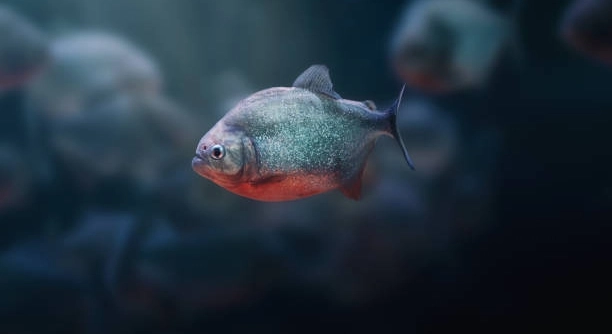
Piranhas are often seen as fierce fish, but they can also get bored in captivity. Many owners do not realize their piranha’s behavior may change when it lacks stimulation. Recognizing boredom is important for keeping these fish healthy and active.
Boredom in piranhas can manifest through lethargy, lack of appetite, repetitive swimming patterns, aggression, hiding more than usual, loss of color, and reduced interaction with their environment. These signs indicate a need for environmental enrichment to maintain well-being.
Identifying these behaviors early allows you to improve your piranha’s habitat. The following ideas will help keep your fish engaged and content in its tank.
Common Signs Your Piranha Is Bored
When a piranha is bored, its behavior changes in noticeable ways. You may see it swimming in circles or following the same path repeatedly. It might hide more often than usual or seem uninterested in food. Some piranhas may become aggressive, snapping at tank mates or decorations without reason. Others lose their bright colors and appear dull. These signs show that the fish needs more stimulation to stay healthy. Monitoring these behaviors helps ensure your piranha’s well-being and prevents stress-related problems.
Bored piranhas often show less movement and reduced appetite. These are early warning signs to watch closely.
It is important to recognize these signs as an indicator of your piranha’s mental state. Piranhas in the wild have a complex environment with plenty of things to explore and hunt. In a tank, they can become bored if the setup is too simple or repetitive. Making changes to their habitat and routine can encourage natural behaviors, keeping them active and healthy. Understanding how to spot boredom helps you improve their care.
How to Enrich Your Piranha’s Environment
Adding variety to a piranha’s tank helps prevent boredom and promotes activity. Simple changes can make a big difference.
Start by including different types of plants, rocks, and hiding spots. Rearranging these elements occasionally can keep the tank interesting. Introducing live or artificial plants gives your piranha places to explore and feel secure. Adding driftwood or caves provides shelter and breaks up the tank layout. These items mimic the fish’s natural environment, encouraging exploration.
You can also vary the feeding routine by offering different foods and feeding methods. Floating or sinking food encourages movement and hunting instincts. Using feeding tools like tongs to move food around the tank can stimulate your piranha mentally and physically. Regular interaction with the tank environment, combined with environmental changes, helps reduce boredom and supports the fish’s overall health.
Interactive Toys and Feeding Techniques
Interactive toys can help keep your piranha engaged. Floating objects or feeding puzzles encourage natural hunting behaviors and reduce boredom.
Using toys like floating balls or mirror reflections provides stimulation. These items prompt your piranha to chase and investigate, mimicking the excitement of hunting in the wild. Feeding puzzles that hide food inside create mental challenges, motivating your fish to work for its meals. These activities prevent repetitive behaviors and promote a more active lifestyle, which is important for their health.
Feeding techniques also make a difference. Offering live or frozen foods, such as bloodworms or small fish, adds variety to the diet and encourages natural predatory actions. You can also use feeding tongs to move food around the tank, creating a more dynamic feeding experience. This practice helps maintain your piranha’s interest in food and stimulates physical activity, contributing to overall well-being.
Maintaining a Healthy Social Environment
Piranhas are social animals but require careful consideration when housed together. Overcrowding can lead to stress and aggression.
It is best to keep a proper balance in the tank by providing enough space and hiding spots for each fish. Too many piranhas in a small tank increase competition and territorial disputes. Introducing compatible tank mates can help with social interaction but must be done cautiously. Monitoring behavior closely ensures peaceful cohabitation and reduces boredom from isolation. Providing a social environment that meets their needs promotes mental stimulation and healthy activity levels.
Changing Tank Decor Regularly
Changing the tank decor regularly keeps the environment fresh. Rearranging plants, rocks, and hiding spots prevents your piranha from becoming too familiar with its surroundings.
Small changes stimulate exploration and reduce repetitive behavior. This helps maintain your fish’s curiosity and encourages natural activity, which is important for its mental health.
Providing Proper Lighting and Temperature
Proper lighting and temperature contribute to your piranha’s overall well-being. Consistent light cycles help regulate their daily patterns and mood. Avoid sudden changes that can cause stress. Maintaining the correct water temperature supports metabolism and activity levels, keeping your piranha alert and healthy.
Observing Behavioral Changes
Watching your piranha’s behavior closely can alert you to boredom or illness. Sudden inactivity, loss of appetite, or aggression are signs that something may need adjustment in the tank or care routine.
Using Live Plants
Live plants add natural stimulation to the tank. They provide hiding places and help create a more engaging environment that mimics the piranha’s natural habitat.
FAQ
How do I know if my piranha is bored or sick?
Boredom and illness can sometimes look similar in piranhas. If your fish shows signs like lethargy, loss of appetite, or hiding, it might be bored. However, if these symptoms last or worsen, illness could be the cause. Look for changes in color, damaged fins, or abnormal swimming to distinguish sickness. Always check water quality, as poor conditions can affect health and behavior.
Can I keep multiple piranhas together without stress?
Piranhas are social but territorial. Keeping several together requires a large tank with plenty of hiding spots. Overcrowding causes stress and aggression. Monitor their behavior carefully to prevent fights. If you notice constant chasing or injuries, separating them is necessary. Proper space and tank setup reduce stress and boredom.
What are the best foods to keep my piranha interested?
A varied diet helps maintain your piranha’s interest. Live or frozen foods like bloodworms, shrimp, and small fish stimulate natural hunting instincts. Occasionally offering pellets designed for carnivorous fish adds balanced nutrition. Changing food types and presentation methods keeps feeding engaging and reduces boredom.
How often should I change the tank decor?
Changing tank decor every few weeks or months helps keep your piranha’s environment stimulating. Rearrange plants, rocks, and decorations to create new hiding spots and exploration opportunities. Frequent changes prevent repetitive behavior and keep your fish active and curious.
Are interactive toys safe for piranhas?
Yes, but choose toys carefully. Floating balls or mirror reflections can encourage chasing without harm. Avoid sharp or small objects that could injure your fish. Feeding puzzles designed for fish also promote mental stimulation. Always monitor how your piranha reacts to new items to ensure safety.
What lighting is best for my piranha tank?
Consistent, moderate lighting works best. Mimic natural daylight cycles by providing 10 to 12 hours of light daily. Avoid bright or sudden changes in lighting, as this can stress the fish. Using a timer helps maintain regular light patterns, supporting natural behavior and reducing boredom.
How important is tank size for preventing boredom?
Tank size plays a major role in preventing boredom. A spacious tank offers room to swim, explore, and establish territories. Small tanks limit movement and increase stress. For a single piranha, at least 30 gallons is recommended, with more space needed for multiple fish. Larger tanks support a healthier and more active fish.
Can piranhas recognize their owners or respond to interaction?
Piranhas are capable of recognizing movement and may respond to their owner’s presence, especially during feeding. While they don’t bond like some pets, they can learn to associate you with food or tank maintenance. Regular interaction can stimulate their interest and reduce boredom.
Is it necessary to provide hiding spots?
Yes, hiding spots are essential. They offer security and reduce stress, especially when piranhas feel threatened or need rest. Plants, caves, and driftwood create safe areas. Without hiding places, piranhas may become anxious or aggressive, which can worsen boredom and health.
How do I safely introduce new tank mates to my piranha?
Introducing new fish requires caution. Choose species that tolerate piranhas and have similar water needs. Quarantine new fish before adding them to the tank to prevent disease. Introduce them slowly and watch for signs of aggression. Provide enough space and hiding spots to ease tension.
What is the best way to feed a piranha to encourage natural behavior?
Feed your piranha in ways that mimic hunting. Use feeding tongs to move food around the tank or hide food in plants and decorations. Offering live or frozen prey encourages stalking and chasing. Avoid dropping food in one spot, as this can lead to laziness and boredom.
How can I tell if my piranha’s tank environment needs improvement?
Signs like repetitive swimming, aggression, hiding, or loss of color indicate the tank environment might be inadequate. Test water quality regularly, check decor arrangement, and observe fish behavior. If boredom signs persist, adding enrichment or adjusting tank conditions is necessary.
Do piranhas need social interaction with other fish?
Piranhas benefit from social interaction but only with proper tank conditions. They can be aggressive if overcrowded or stressed. Some species tolerate companions better than others. Providing enough space and hiding spots supports healthy social behavior, preventing boredom from isolation.
Can boredom affect a piranha’s health?
Yes, boredom can lead to stress, weakened immune response, and abnormal behaviors. A bored piranha might stop eating or become aggressive, increasing risk of injury or disease. Enriching their environment and feeding routines helps maintain mental and physical health.
How do water changes impact a piranha’s activity levels?
Regular water changes improve water quality, which supports activity and reduces stress. Dirty or toxic water can make piranhas lethargic and unresponsive. Keeping the tank clean ensures a healthy environment, helping your fish stay active and engaged.
What are simple daily activities to keep a piranha entertained?
Daily activities include rearranging small tank items, offering varied foods, and using feeding tongs to create movement. Observing and interacting with your fish at feeding time adds stimulation. These simple changes help break monotony and encourage natural behaviors consistently.
Final thoughts on keeping your piranha engaged focus on understanding its natural behavior and needs. Piranhas are active, intelligent fish that require stimulation to thrive. Without enough mental and physical engagement, they may become bored, which can lead to stress and health problems. It is important to create an environment that mimics aspects of their natural habitat by offering varied foods, interactive toys, and regular changes to the tank setup. These efforts encourage activity and reduce repetitive or destructive behaviors.
Maintaining a balanced and healthy environment is key to your piranha’s well-being. Proper tank size, water quality, temperature, and lighting all contribute to their comfort and activity levels. Providing hiding spots and social opportunities with compatible tank mates can further enhance their quality of life. Observing your fish regularly will help you notice any signs of boredom or illness early, allowing for timely adjustments. Simple daily actions, such as rearranging decorations or offering live foods, keep your piranha curious and engaged.
Ultimately, caring for a piranha requires attention to both physical and mental needs. A well-stimulated piranha is more likely to display natural behaviors, maintain good health, and enjoy a longer life. Taking the time to understand and meet these needs not only improves your fish’s quality of life but also creates a more rewarding experience for you as an owner. Consistency and care in your approach will make a significant difference in preventing boredom and promoting your piranha’s overall happiness.

Hello,
If you enjoy the content that we create, please consider saying a "Thank You!" by leaving a tip.
Every little bit helps us continue crafting quality advice that supports the health, happiness, and well-being of pets around the world, for pets of all shapes, sizes, and species.
We really appreciate the kindness and support that you show us!