
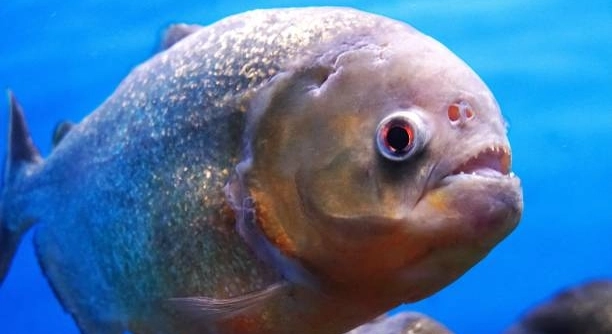
Piranhas are often seen as fierce predators, but their social behavior is more complex than many realize. Their interactions within groups depend on several factors that shape how they live and survive together. Understanding these influences sheds light on their natural world.
Piranha social structure is influenced by environmental conditions, food availability, group size, breeding habits, hierarchy, communication methods, and predation pressure. Each factor plays a role in determining how these fish organize themselves and maintain social order.
Exploring these elements helps us better understand piranhas beyond their fearsome reputation and reveals the delicate balance they maintain in their habitats.
Environmental Conditions and Habitat
Piranhas live mostly in freshwater rivers and lakes in South America, where the environment greatly impacts their social behavior. Water temperature, clarity, and flow influence how piranhas gather and interact. For example, in murky waters, piranhas rely more on group hunting to locate food since visibility is low. Strong currents can make it harder for large groups to stay together, so smaller groups form. Seasonal changes also affect their behavior—during the rainy season, when water levels rise, piranhas spread out more because there is more space and food available. In the dry season, they cluster closer in shrinking habitats, which changes their social dynamics. These environmental factors shape when and how piranhas group up or split apart, which is essential for their survival.
Water conditions set the stage for piranhas’ social interactions and influence group size, movement, and hunting tactics. Their behavior adapts depending on these factors.
Knowing how environment controls piranha social patterns helps explain why they behave differently in various habitats. Changes like pollution or water diversion can disrupt their social balance. This makes preserving their natural environments important not just for piranhas but for the entire ecosystem. Observing these changes teaches us about animal behavior in fluctuating conditions and how delicate aquatic communities really are.
Food Availability and Group Behavior
Food supply directly affects how piranhas organize their social groups. When food is abundant, piranhas tend to spread out and form smaller groups or hunt individually. However, when food is scarce, they gather in larger groups to increase hunting efficiency and protect their meals from competitors. Group hunting also allows them to take down bigger prey, which would be impossible alone. Their social bonds grow stronger during these times, as cooperation becomes necessary for survival. When hunting together, piranhas often use coordinated movements and signals to corner prey. The amount and type of food also influence their aggression levels. Limited resources can increase competition within groups, affecting their social hierarchy. Thus, food availability is a key factor that shapes how piranhas live and work together.
Group Size and Social Dynamics
Group size influences how piranhas interact and organize their social structure. Smaller groups tend to have clearer hierarchies, while larger groups require more complex communication to maintain order.
In smaller groups, piranhas establish dominance quickly, with the strongest fish usually leading. These groups often hunt together efficiently, as fewer members make coordination simpler. Social bonds in small groups are tighter, with less competition for food and space. However, small groups may be more vulnerable to predators. Larger groups, on the other hand, face challenges in maintaining order. More fish mean more competition and the need for frequent displays of dominance to avoid conflicts. Group members use body language and movement to communicate rank and intentions.
Larger groups provide safety in numbers and improve hunting success but require more social negotiation. Piranhas in these groups balance cooperation with competition to survive and thrive.
Breeding Habits and Social Structure
Breeding season changes piranha social behavior significantly. Males become more territorial and aggressive to protect nests and attract females. This can cause temporary shifts in group dynamics and hierarchy.
During breeding, males guard nests and chase away rivals or threats, often isolating themselves from the main group. Females select mates based on these displays of strength and territory defense. After spawning, parental care varies among species but generally involves guarding eggs until they hatch. This period demands more energy and changes usual group interactions. Outside breeding, piranhas tend to be less aggressive and more cooperative. Breeding cycles strongly influence how groups form and dissolve, showing the balance between survival and reproduction in their social lives.
Hierarchy and Dominance
Hierarchy plays a key role in piranha social groups. Dominant individuals control access to food and mates, keeping order through displays of strength and occasional aggression.
Lower-ranked piranhas avoid conflict by submitting or staying on the group’s edges. This structure helps reduce constant fighting and maintains group stability.
Communication Methods
Piranhas use body movements, color changes, and sounds to communicate within their groups. These signals help them coordinate hunting, warn of danger, and establish social ranks. Clear communication is essential in both small and large groups to avoid conflicts and improve cooperation. For example, quick fin flicks or gill displays can indicate aggression or submission. By reading these cues, piranhas navigate their social lives smoothly and maintain group cohesion in varying situations.
Predation Pressure
Predators influence piranha social behavior strongly. Groups form tighter clusters when threats are nearby, using safety in numbers to reduce individual risk. This defensive strategy helps piranhas survive in dangerous environments where larger animals hunt them.
What affects piranha social structure the most?
The main factors influencing piranha social structure include environmental conditions, food availability, group size, breeding habits, hierarchy, communication, and predation pressure. These elements shape how piranhas group, interact, and survive. For example, food scarcity often leads to larger groups and more competition, while during breeding, males become more territorial and aggressive.
How does the environment change piranha behavior?
Water temperature, clarity, and flow impact piranha social groups significantly. In murky or fast-moving waters, piranhas tend to form smaller, tighter groups for better coordination. Seasonal changes also affect their behavior; in the dry season, limited space forces them to cluster, while the rainy season allows more spread-out social patterns.
Why do piranhas form groups?
Piranhas form groups primarily for safety and better hunting. Grouping helps protect them from predators by confusing attackers and reducing individual risk. Hunting in groups allows them to catch larger prey efficiently and defend their food from rivals.
Does group size affect piranha social order?
Yes, group size directly influences social order. Smaller groups have clearer hierarchies with less competition, while larger groups require more complex communication and frequent dominance displays to keep peace. Larger groups offer protection but increase social tension.
What role does breeding play in social structure?
Breeding season causes notable changes in piranha social behavior. Males become territorial, guarding nests and fighting rivals to attract females. This can lead to temporary breakdowns in usual social bonds and increased aggression within groups.
How do piranhas communicate?
Piranhas communicate using body language such as fin flicks, gill displays, and changes in color. These signals help them show dominance, submission, or readiness to cooperate during hunting and group interactions, ensuring smoother social dynamics.
How does predation pressure influence piranha groups?
Predators push piranhas to stay in tighter groups for safety. When threatened, they cluster more closely to reduce the chance any one fish will be caught. This pressure affects how often and how tightly piranhas form groups.
Can changes in the environment disrupt piranha social structure?
Yes, pollution, habitat destruction, and changes in water flow can disturb piranha social behavior. These disruptions may reduce food supply, force smaller habitats, or increase predation risks, making it harder for piranhas to maintain stable groups and reproduce successfully.
Are piranha social hierarchies permanent?
Hierarchies in piranha groups are flexible. Dominance can shift due to changes in strength, health, or group composition. While some dominant individuals hold their position for longer, challenges from others can alter the social order, especially in larger groups.
Do piranhas cooperate outside hunting?
Piranhas mainly cooperate during hunting and defense but generally compete for food and mates. Cooperation helps the group survive, but individual interests like access to resources often create tension within the group.
How does food scarcity affect aggression among piranhas?
Food scarcity increases competition and aggression. When resources are limited, piranhas fight more to secure their share. This can lead to stronger dominance displays and more frequent conflicts within groups, affecting social stability.
Do piranhas show parental care?
Some piranha species exhibit parental care, mainly by males guarding eggs and fry until they hatch and grow stronger. This behavior requires energy and can cause males to be more aggressive and isolated during the breeding season.
What happens to piranha groups during the rainy season?
During the rainy season, higher water levels and increased food availability lead to looser social groups. Piranhas spread out more, reducing competition and allowing individuals to forage alone or in smaller groups.
How important is communication in large piranha groups?
Communication is vital in large groups to maintain order and cooperation. Without clear signals, conflicts would increase, harming group success. Body language and displays help piranhas quickly understand each other’s intentions and avoid unnecessary fights.
Can human activity affect piranha social behavior?
Human activities like pollution, dam building, and deforestation can severely impact piranha habitats. These changes affect water quality and availability of food, forcing piranhas to alter their social groups, sometimes reducing their chances to survive and reproduce.
Piranhas have a social structure that is shaped by many different factors. Their environment, the amount of food available, and how big their groups are all play important roles in how they behave. During breeding seasons, their behavior changes again, as males become more protective and aggressive. Communication between piranhas helps them work together, especially when hunting or defending themselves. Predators also influence how tightly they group, since staying close together helps protect individual fish. These factors all work together to create the way piranhas live in their natural habitats.
Understanding piranha social structure helps us see that they are more than just fierce fish. Their behavior is complex and carefully balanced with their surroundings. Changes in the environment, such as pollution or habitat loss, can disturb this balance and make it harder for piranhas to survive. This shows how important it is to protect their habitats. When piranhas are able to live in healthy environments with enough food and space, their social groups function better. This balance between cooperation and competition in their groups is a key part of their survival.
In summary, piranha social life depends on many different and connected factors. Their behavior adapts to changing conditions, including the seasons and the presence of predators. By learning more about these influences, we gain a better understanding of how piranhas interact with each other and their environment. This knowledge helps us appreciate these fish beyond their reputation and reminds us that even fierce animals have complex social lives shaped by nature. Protecting their ecosystems is important to maintain the natural balance that allows piranhas to thrive.

Hello,
If you enjoy the content that we create, please consider saying a "Thank You!" by leaving a tip.
Every little bit helps us continue crafting quality advice that supports the health, happiness, and well-being of pets around the world, for pets of all shapes, sizes, and species.
We really appreciate the kindness and support that you show us!