
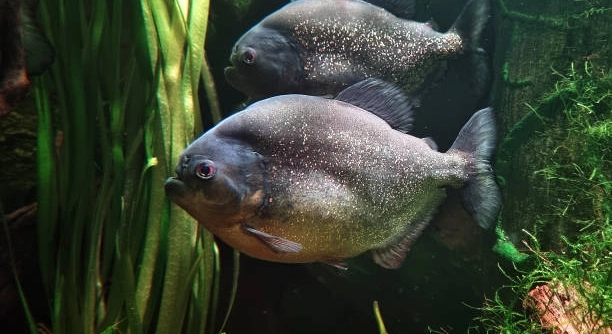
Are your piranhas acting differently when the temperature changes in their tank? Small shifts in warmth can make a big difference.
Piranha activity is significantly affected by temperature fluctuations, as these fish are highly sensitive to environmental changes. Warmer waters often lead to increased movement and feeding, while colder temperatures can slow them down and reduce their aggression.
Understanding how temperature affects your piranha’s behavior can help you create a healthier and more predictable aquatic environment.
Sudden Drops in Water Temperature
When piranhas experience a fast drop in water temperature, their behavior changes quickly. These fish are tropical and prefer warm water, usually between 75°F and 80°F. A sudden cold shift can stress them out and make them less active. Their metabolism slows, and they may stop eating. You might also notice them hiding more or swimming sluggishly. In some cases, they can become more aggressive due to stress. This kind of temperature shift can also make them more vulnerable to illness. If your tank heater fails or the room gets too cold, your piranhas could struggle to adjust. It’s important to check water temperature regularly and avoid sudden changes. Using a reliable heater and placing the tank away from windows or drafts can help keep the temperature stable. A thermometer inside the tank gives a clear daily reading and helps spot issues early.
Stress from rapid temperature drops often leads to weak immune responses, leaving fish open to bacterial infections.
If your tank is near a cold window or lacks a steady heat source, you may see your piranhas become unusually quiet or anxious. Consistent warmth helps maintain normal feeding, swimming, and interaction levels. This is key for both their health and long-term stability in the tank.
Gradual Increases Over Time
Warm water over time can change how piranhas eat, swim, and interact. You might notice them becoming more active and eating more when the tank is a few degrees warmer. Warmer temperatures speed up their metabolism, so they burn energy faster and need more food. This increase in activity can also lead to more aggressive behavior, especially in a group setting. They may chase each other more often, or become territorial. While moderate warmth is good for energy and growth, too much heat can be harmful. Temperatures above 85°F can cause stress and lower oxygen levels in the water. That’s why it’s important to avoid letting the tank get too hot over time. Use fans or partial water changes to cool things down if needed. Checking the tank every day can help you spot rising temps early. Small changes are fine, but consistent warmth should always stay within a safe range.
Sudden Heat Spikes
Heat spikes can happen fast and throw off your piranha’s normal behavior. These quick increases in temperature are often caused by direct sunlight or a malfunctioning heater.
When water heats up suddenly, piranhas tend to become restless. They may dart around more or show signs of aggression. You might also see them gasping near the surface, which is a response to lower oxygen levels caused by warmer water. If the temperature rises too high, it can lead to exhaustion or even death. Always use a thermometer to check if the heater is working correctly. It’s also helpful to keep the tank out of direct sunlight and avoid placing it near radiators or heat vents. Cooling methods like fans or replacing a small amount of water with cooler water can bring the temperature down gradually without shocking the fish.
If you notice your piranhas acting strange, check the water temperature first. Even a few degrees can make a big difference. Warm water holds less oxygen, and that means your fish will have a harder time breathing. Heat stress also weakens their immune systems, which can lead to sickness if it continues. Keeping things steady is the best way to protect them.
Seasonal Room Temperature Changes
Seasonal changes in your home’s temperature can affect your tank without you realizing it. As the weather shifts, your heating or cooling habits might change too, which influences the water.
During colder months, the room may drop a few degrees, especially at night. This can lower the tank temperature if your heater isn’t consistent. In warmer seasons, indoor temperatures rise, and so does the water. These small shifts over time may seem harmless but can slowly affect your piranha’s routine. You might notice they aren’t eating as much or become more agitated. A tank thermometer helps track these gradual changes. It’s also smart to adjust your heater settings as seasons change, just like you would with your thermostat. Using a heater with a built-in thermostat keeps things more stable. That way, you don’t have to worry as much about how the room affects the tank.
Temperature Drops During Water Changes
Changing the water with cooler replacement water can lower the tank temperature too quickly. This sudden drop can shock your piranhas, making them inactive or stressed soon after the change.
To avoid this, always match the new water’s temperature to the tank’s current level. A thermometer helps ensure it’s safe.
Inconsistent Heater Performance
When a heater isn’t working consistently, it can cause small but frequent shifts in water temperature. These ups and downs may not seem serious, but they confuse your piranhas and affect their routine. You might see changes in feeding, swimming, or overall behavior. Some heaters fluctuate more as they age or if the room temperature changes often. A good heater with a built-in thermostat reduces these issues by keeping the water steady. It’s also smart to check your heater regularly to make sure it’s turning on and off at the right times. If it seems inconsistent, replacing it is the best choice for stability.
Cooling From Evaporation
Evaporation can cause the water to cool slightly, especially in tanks without lids. This small drop may slow your piranhas down if it happens often.
How do temperature changes affect piranha feeding habits?
Temperature directly influences piranhas’ metabolism, which controls how much and how often they eat. When water is warm—typically between 75°F and 80°F—they tend to be more active and hungry. This means they will eat more frequently and show greater interest in food. However, if the temperature drops suddenly or stays too cold, their metabolism slows down. As a result, they eat less or sometimes stop eating altogether. This is a natural response to conserve energy in cooler conditions. On the other hand, if the water gets too warm, above 85°F, it can stress them and reduce appetite. Monitoring water temperature closely can help you keep their feeding habits stable and prevent health issues linked to poor nutrition.
What are the signs that temperature is stressing my piranhas?
Stress from temperature changes can show in several ways. Your piranhas may become lethargic, hiding more than usual or resting at the bottom of the tank. You might see unusual aggression if the temperature causes irritation, with fish chasing or biting more than normal. Another sign is rapid breathing or gasping at the water surface, which often means low oxygen caused by warm water. Loss of appetite is also common during temperature stress. Watch for sudden changes in behavior after you adjust the water or if the room temperature shifts. Consistent signs of stress should prompt you to check the tank’s heating or cooling setup.
Can piranhas survive short-term temperature spikes or drops?
Piranhas are fairly resilient and can handle short temperature shifts if the change is not too extreme or prolonged. A brief drop of a few degrees or a quick heat spike might make them less active or temporarily upset their feeding, but they usually recover once the water returns to normal. However, repeated or long-lasting temperature swings can weaken their immune system, leading to illness or even death. To minimize risks, avoid sudden water changes with very different temperatures and maintain steady room conditions. Using a heater with a thermostat and checking water daily helps prevent dangerous fluctuations.
How do I maintain a stable temperature in my piranha tank?
Stable temperature starts with a reliable heater suited for your tank size. Look for one with an adjustable thermostat to keep the water within the ideal range of 75°F to 80°F. Place the tank away from windows, air vents, or direct sunlight to avoid sudden temperature swings caused by the environment. Using a tank lid can also reduce evaporation and heat loss. Regularly check the water temperature with an accurate thermometer, ideally one placed inside the tank. If you notice fluctuations, consider adding a small aquarium fan or adjusting your home’s heating or cooling system to support steady room temperature. Consistency is key to keeping your piranhas healthy.
Does the size of the tank affect temperature stability?
Yes, larger tanks tend to hold temperature better than smaller ones. Bigger volumes of water change temperature more slowly, making it easier to maintain a steady environment. Smaller tanks are more sensitive and can heat up or cool down quickly, especially if the heater isn’t properly sized. This makes monitoring temperature in small tanks even more important, as fish are exposed to sharper fluctuations. When choosing a tank, consider that a larger tank provides a more stable home, reducing stress caused by temperature swings.
What happens if the water temperature stays too high for too long?
Prolonged high temperatures reduce dissolved oxygen levels in the water, making it harder for piranhas to breathe. This can cause gasping behavior and stress, weakening their immune system and increasing risk of disease. High heat also speeds up metabolism excessively, leading to exhaustion and shorter lifespans. Over time, it may cause abnormal behavior like increased aggression or hiding. If your tank temperature remains above 85°F, take immediate steps to cool the water gradually. Avoid sudden temperature drops, but use fans, partial water changes, or shading to lower the heat safely.
Is it safe to use a cooling system for the tank in summer?
Using a cooling system like an aquarium chiller or fans can help maintain safe temperatures during hot months. Cooling systems prevent water from overheating and protect your piranhas from heat stress. Fans work by increasing surface water evaporation, which lowers temperature, while chillers actively cool the water. Both methods need to be controlled carefully to avoid sudden drops that could shock your fish. If you use fans, make sure the room humidity doesn’t get too high. Chillers are more precise but can be expensive. Whichever method you choose, gradual cooling is safer than rapid temperature changes.
How often should I check the temperature in my piranha tank?
Daily temperature checks are best for keeping your piranhas safe. Temperatures can shift unexpectedly due to room changes or equipment issues. Using a reliable thermometer inside the tank lets you catch problems early. If you notice frequent fluctuations, inspect your heater or cooling setup. Regular checks also help during water changes or seasonal shifts when room temperature may vary. Keeping a log can be helpful if you want to track patterns or spot recurring problems.
Can temperature changes affect piranha breeding behavior?
Yes, temperature plays a big role in piranha breeding. Warmer water often encourages spawning activity, as it mimics their natural breeding season in the wild. Stable temperatures between 78°F and 82°F help trigger mating behavior and egg development. If the water is too cold or unstable, breeding may not happen or eggs may not hatch successfully. Sudden temperature changes can also stress breeding pairs, reducing their chances of reproducing. Keeping a consistent warm environment increases the likelihood of successful breeding in captivity.
Are there any temperature-related diseases I should watch for?
Temperature stress weakens piranhas’ immune systems, making them more prone to common diseases like fungal infections, fin rot, and bacterial illnesses. Cold water slows their defenses, while heat stress opens the door for parasites and other problems. Watch for white spots, frayed fins, or unusual swimming as signs of disease. If you notice these symptoms, check the temperature first and stabilize it before treating the fish. Proper tank maintenance and stable water conditions are the best ways to prevent temperature-related illnesses.
Keeping piranhas healthy means paying close attention to the temperature of their water. These fish are very sensitive to changes in heat and cold. Even small shifts can affect how they behave, eat, and grow. When the water stays within the right temperature range, piranhas stay active, eat well, and are less likely to get sick. It’s important to avoid sudden or extreme changes because those can cause stress and harm their health. A stable environment helps piranhas feel safe and thrive in your care.
Using the right equipment can make a big difference. A good quality heater with a thermostat keeps the water warm and steady. Checking the temperature daily with a thermometer helps catch any problems early. If the room where the tank is located changes temperature a lot, it’s a good idea to take extra steps to keep the water stable. For example, keeping the tank away from windows, drafts, or heat sources helps prevent sudden shifts. Sometimes, adding a lid or using a fan can also help control temperature swings. Small efforts like these can improve your piranhas’ quality of life significantly.
Finally, knowing how temperature affects your piranhas will make it easier to care for them well. When you understand their needs, you can spot signs of stress or illness quickly. This allows you to make changes before problems get worse. Piranhas do best when their environment stays consistent, with temperatures close to what they would have in the wild. Keeping this in mind helps you create a balanced home for your fish, supporting their health and happiness over time.

Hello,
If you enjoy the content that we create, please consider saying a "Thank You!" by leaving a tip.
Every little bit helps us continue crafting quality advice that supports the health, happiness, and well-being of pets around the world, for pets of all shapes, sizes, and species.
We really appreciate the kindness and support that you show us!