
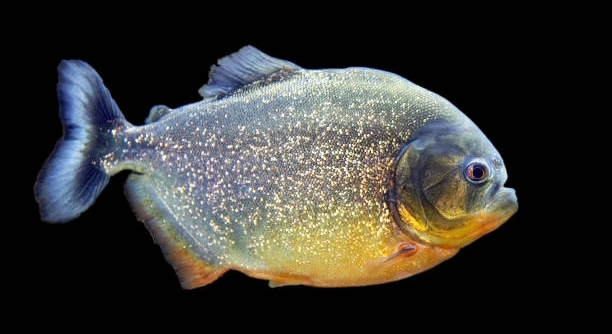
Piranhas are well known for their sharp teeth and fierce reputation in freshwater rivers. Despite being studied for years, these fish still show behaviors that confuse scientists. Their actions often seem unexpected and surprising.
Scientists remain puzzled by several piranha behaviors, such as their social interactions, hunting strategies, and communication methods. Many of these actions do not fit simple explanations, suggesting complex biological and environmental factors are at play.
These unusual behaviors reveal that piranhas are more than just aggressive fish. Understanding them better could change how we see these creatures in nature.
Unpredictable Feeding Frenzies
Piranhas are famous for their sudden feeding frenzies where many fish seem to attack at once. What puzzles scientists is that these frenzies don’t always happen when food is abundant. Sometimes piranhas gather and bite aggressively even when there is plenty of food available. This behavior contradicts the idea that such frenzies are caused only by hunger or competition. In fact, the triggers for these attacks remain unclear. Researchers observe that social factors and environmental cues might play a role. Piranhas may be responding to stress, threats, or even communication signals from other fish. The way these groups coordinate their attack, with remarkable speed and precision, also raises questions. Understanding why piranhas engage in this risky and energy-consuming behavior could reveal more about their social structure and survival strategies.
Feeding frenzies are not fully explained by hunger alone. Other factors influence when and why they happen.
Studying these attacks in natural habitats helps scientists see how piranhas balance cooperation and competition during feeding. This balance might be essential for their survival in diverse environments where food sources can change quickly.
Mysterious Communication Signals
Piranhas use sounds and movements to communicate, but much about these signals is unknown. These fish make clicking, popping, or croaking noises that seem linked to social behavior or warning signals. The exact meanings of these sounds are still being studied. Scientists know that piranhas do not rely solely on sight or smell to interact. Their communication might involve complex signals that help coordinate group behavior or avoid conflict. Understanding these signals better could explain how piranhas live together and hunt effectively.
Their communication methods are more complex than just aggressive displays or warnings.
Researchers are beginning to decode piranha signals by recording their sounds in the wild and in controlled environments. This work reveals that some noises occur during mating, feeding, or territorial disputes. These findings suggest that piranhas have a rich system of communication that is still mostly hidden from us. Exploring these sounds could lead to new insights about how fish use sound in social interactions and survival.
Territorial Aggression Patterns
Piranhas often defend their space aggressively, but the reasons behind when and why they escalate fights remain unclear. Not all piranhas are equally territorial, and their behavior changes depending on conditions.
Territorial aggression in piranhas varies widely among individuals and environments. Some fish defend small areas intensely, while others tolerate neighbors nearby. This difference may depend on factors like food availability, breeding season, or population density. Scientists suspect that these behaviors are linked to survival strategies, where defending a territory can secure better resources or mating opportunities. However, why some piranhas are more aggressive than others is still a mystery. The triggers for escalating fights versus peaceful coexistence are difficult to predict.
Research shows that aggression can also depend on the size and strength of the piranha. Larger individuals tend to dominate smaller ones, but smaller fish sometimes band together to challenge bigger rivals. These social dynamics add layers of complexity to their territorial behavior, making it an ongoing puzzle for scientists.
Unexpected Social Structures
Piranhas are often seen as solitary or chaotic, but many species form surprisingly organized groups. These social structures are not fully understood.
Group living among piranhas offers protection from predators and improves hunting success. In some cases, piranhas cooperate to herd prey or defend against threats. This cooperation challenges the idea that piranhas are always aggressive and isolated. Scientists observe that group size and stability can vary, influenced by environmental factors and resource availability. Understanding how these social groups form and function helps reveal the balance between competition and cooperation within piranha communities. These behaviors suggest a level of social complexity previously underestimated.
Feeding Preferences and Surprises
Piranhas do not only eat meat; they sometimes consume plants and fruits. This varied diet is surprising given their fearsome reputation.
Scientists are still studying why piranhas include non-meat foods. This behavior might help them survive when prey is scarce, showing they adapt to different environments.
Role of Vision in Hunting
Piranhas rely on their vision more than smell when hunting. Their sharp eyesight helps them detect movement and judge distances quickly, essential in murky waters.
Seasonal Behavior Changes
Piranhas change their activity levels with the seasons. During dry periods, they become more aggressive and territorial, likely due to limited resources and space.
What do piranhas usually eat?
Piranhas mostly eat other fish, insects, and small animals. However, they don’t only eat meat. Sometimes, they nibble on plants, fruits, and seeds that fall into the water. This varied diet helps them survive when their favorite prey is scarce. Their flexible eating habits are still being studied to understand how they choose food depending on their environment.
Are all piranhas aggressive all the time?
No, not all piranhas are aggressive all the time. Their behavior depends on many factors like season, environment, and social group. They can be calm when food is plenty and more aggressive during dry seasons or when defending territory. Scientists observe that piranhas balance aggression with social cooperation in groups.
How do piranhas communicate?
Piranhas use sounds such as clicks, pops, and croaks to send signals to each other. These noises may mean different things like warning, mating calls, or coordination during feeding. Along with sounds, they use body movements and changes in color to communicate, but much about their signals is still a mystery.
Do piranhas really attack people?
Attacks on people are rare and usually happen when piranhas feel threatened or are in stressful conditions like low water levels. Most piranhas prefer to avoid humans. The idea of them as relentless man-eaters is exaggerated by movies and stories.
Why do piranhas form groups?
Piranhas group together for protection against predators and to improve hunting success. Living in groups helps them guard territory and find food more efficiently. Group living also offers social interactions that scientists are still trying to fully understand, showing piranhas are more social than once thought.
How do piranhas defend their territory?
Piranhas defend their territory by showing aggressive behavior like chasing and biting intruders. This helps protect food sources and breeding areas. However, territorial behavior varies among individuals and depends on factors like population density and environmental stress.
What triggers piranha feeding frenzies?
Feeding frenzies occur suddenly and are not just caused by hunger. Scientists think stress, social cues, or environmental changes can trigger these attacks. The rapid coordination during frenzies is surprising and suggests complex social behavior that is still being researched.
Do piranhas change behavior with seasons?
Yes, piranhas change their behavior with the seasons. During dry seasons, they become more aggressive and territorial due to less space and fewer food options. In wetter seasons, they may be less aggressive and more spread out.
How important is vision to piranhas?
Vision is very important for piranhas, especially when hunting. Their sharp eyesight helps them spot movement and judge distance even in murky waters. They rely more on sight than smell, which is different from many other fish species.
Are piranha sounds understood by scientists?
Scientists have started decoding piranha sounds but don’t fully understand their meanings yet. Different noises appear during feeding, mating, or fighting, indicating a rich communication system. More research is needed to grasp how piranhas use sound in their social life.
Piranhas have a strong reputation as fierce fish, but their behavior is much more complex than many people realize. They show surprising social skills and adapt to different environments in ways that still puzzle scientists. Their feeding habits, communication methods, and territorial actions are not as straightforward as once thought. These fish can cooperate and live in groups, which goes against the common idea of them being only aggressive and solitary. Studying piranhas helps us learn how animals balance competition and cooperation to survive.
Many questions about piranhas remain unanswered, especially about their sudden feeding frenzies and how they communicate with each other. Scientists have observed that piranhas make various sounds and use body language to interact, but the full meanings are still a mystery. Their diet is also more varied than expected, including plants and fruits along with meat. These behaviors show how adaptable piranhas are in changing conditions, but more research is needed to fully understand the reasons behind their actions. Each discovery brings new insights into how these fish fit into their ecosystems.
Learning about piranhas’ behaviors can change how we see them and help protect their habitats. Understanding when and why they act aggressively or peacefully is important for conserving their populations and maintaining balance in freshwater environments. The more we study piranhas, the clearer it becomes that they are not just dangerous predators, but complex creatures with many survival strategies. Keeping an open mind about their nature encourages better science and respect for these fascinating fish.

Hello,
If you enjoy the content that we create, please consider saying a "Thank You!" by leaving a tip.
Every little bit helps us continue crafting quality advice that supports the health, happiness, and well-being of pets around the world, for pets of all shapes, sizes, and species.
We really appreciate the kindness and support that you show us!