
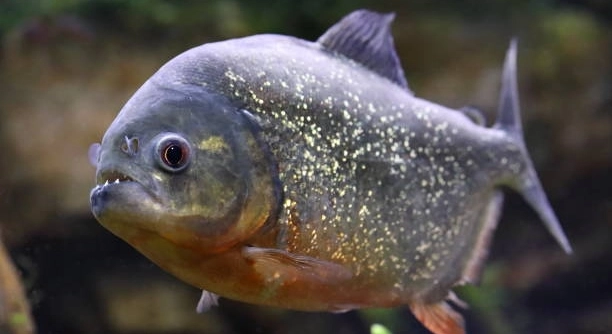
Piranhas require a stable environment to thrive, especially when it comes to water flow. The current in their tank affects their comfort and behavior. Recognizing signs that your piranha dislikes the current helps maintain its wellbeing.
Piranhas showing signs of distress due to strong or inappropriate currents may display changes in swimming patterns, increased hiding, loss of appetite, or physical stress indicators. Adjusting the water flow is essential to promote a healthy habitat and reduce stress.
Noticing these clues early can prevent long-term health issues for your piranha. Understanding their response to current is key for proper care and a balanced aquarium environment.
Changes in Swimming Patterns
Piranhas typically swim calmly and steadily when comfortable with their environment. If the current becomes too strong, they may struggle to swim against it or remain in one spot, appearing restless or fatigued. You might notice your piranha darting frantically, trying to escape the flow or sticking close to the tank bottom or corners where the current is weaker. This behavior indicates discomfort caused by excessive water movement. Monitoring these changes can help you adjust your tank’s filtration or water flow settings. Maintaining a moderate current ensures that your piranha can swim naturally without expending unnecessary energy. Sudden or continuous struggling often signals the need for intervention.
These swimming irregularities can cause stress, making the fish vulnerable to disease. Proper flow adjustment benefits their overall health and vitality.
Observing your piranha’s swimming habits closely allows you to create a more suitable habitat. A balanced current promotes normal activity and reduces stress, ensuring your piranha remains healthy and active.
Increased Hiding Behavior
When piranhas dislike the water current, they often spend more time hiding behind plants, decorations, or rocks. Excessive current forces them to seek shelter to conserve energy and avoid being pushed around the tank. This shift in behavior can signal distress or discomfort with the environment. Frequent hiding reduces their interaction and can affect feeding habits. It is important to identify whether the current is causing this change to prevent further stress. Adjusting filter strength or repositioning water outlets may reduce current intensity in specific tank areas.
Excessive hiding is a sign that your piranha’s comfort is compromised and requires immediate attention to improve tank conditions.
Reducing water flow around hiding spots can encourage your piranha to explore the tank more freely. Creating zones with varied current strengths helps replicate their natural habitat, offering both calm areas and gentle water movement. This setup supports natural behavior and feeding patterns, leading to a healthier, less stressed fish. Observing how your piranha uses the tank after adjustments will guide you in fine-tuning the current for their needs.
Loss of Appetite
A piranha that dislikes the current may eat less or stop eating altogether. This behavior is a clear sign of stress caused by an uncomfortable environment. Appetite loss can affect their health if not addressed promptly.
Stress from strong or inconsistent water flow disrupts feeding habits. Piranhas may avoid food because they feel unsafe or expend extra energy just fighting the current. This can lead to weight loss and weakened immune response. Regularly monitoring feeding behavior helps catch these issues early. Adjusting water flow to a gentler, more natural state encourages normal feeding. Maintaining stable water parameters alongside proper flow supports appetite and overall health.
Inconsistent feeding due to water current issues often results in slower growth and increased vulnerability to illness. Providing a comfortable environment with moderate current and plenty of hiding spots promotes better eating habits. Observing your piranha’s reaction during feeding times can guide necessary adjustments to the tank setup.
Physical Signs of Stress
Physical stress in piranhas caused by an unsuitable current can show as torn fins, clamped fins, or faded coloration. These symptoms indicate ongoing discomfort that affects their wellbeing.
Stress weakens a piranha’s ability to resist infections, making physical damage more common. Continuous fighting against a strong current can cause fin damage or even injuries from being pushed into tank decorations. Faded colors often reflect poor health and low energy. Regularly inspecting your piranha for these signs helps ensure early detection of problems. Proper water flow adjustment combined with good water quality reduces stress and promotes recovery.
Maintaining an environment with balanced flow prevents unnecessary strain on your piranha. Providing calm areas within the tank allows them to rest and recover. This care minimizes physical damage and keeps your fish vibrant and healthy over time.
Restlessness and Agitation
Restlessness in piranhas can result from an unsuitable current. They may swim erratically or repeatedly against the flow, showing signs of agitation.
This behavior wastes energy and causes stress. It often signals that the current is too strong or irregular for the fish’s comfort.
Difficulty Maintaining Position
When a piranha struggles to maintain its position in the tank, it is likely due to excessive water flow. Constantly fighting the current leads to fatigue.
This problem can interfere with normal activities like feeding and resting. Adjusting the flow to a gentler level helps the fish conserve energy and feel secure.
Increased Aggression
Stronger or uneven currents may cause piranhas to become more aggressive than usual. Stress from the current can lead to territorial behavior or attacks on tank mates.
Aggression disrupts the tank’s balance and can harm the fish. Reducing water flow to a comfortable level helps minimize these aggressive tendencies.
How strong should the current be for a piranha tank?
The current in a piranha tank should be moderate and steady, mimicking natural river conditions without overwhelming the fish. Too strong a current causes stress and forces the piranha to expend unnecessary energy. A gentle flow allows them to swim comfortably and maintain their natural behavior.
Can a weak current harm my piranha?
A weak current is generally less harmful than a strong one, but it should still provide some water movement for oxygenation and waste removal. Completely stagnant water can lead to poor water quality, which affects piranha health. It’s important to balance flow strength with proper filtration.
What are signs that my piranha is stressed from the current?
Signs include erratic swimming, hiding excessively, loss of appetite, faded colors, clamped fins, and increased aggression. These indicate the current is likely too strong, uneven, or inconsistent. Regular observation helps catch stress early before it leads to illness.
How can I reduce the current in my tank?
You can reduce current by adjusting or repositioning the filter output, adding flow blockers like plants or decorations, or using a spray bar to diffuse the flow. Creating calmer areas in the tank helps your piranha choose where to swim comfortably.
Is it normal for piranhas to hide more with a strong current?
Yes, hiding increases when the current is strong. Piranhas seek shelter to avoid constant resistance. Too much hiding can reduce feeding and natural behavior, so adjusting water flow is necessary to keep them active and healthy.
Will adjusting the current improve my piranha’s appetite?
Yes, a suitable current reduces stress, which directly impacts appetite. When piranhas feel comfortable, they are more likely to eat normally. If appetite loss persists after adjusting flow, check other factors like water quality and diet.
How often should I check the current strength?
Regular monitoring is important, especially after equipment changes or tank cleaning. Checking weekly ensures the flow remains stable and appropriate. Any sudden changes in piranha behavior should prompt an immediate review of the current.
Can water temperature affect how my piranha reacts to the current?
Yes, water temperature influences metabolism and stress levels. If temperature is too high or too low, piranhas may become more sensitive to current changes. Keeping temperature stable and within the ideal range (around 75-80°F) supports their comfort.
Are there specific tank setups better for controlling current?
Tanks with adjustable filters or external canister filters allow more control over flow. Adding plants, rocks, or driftwood creates natural barriers to slow water movement. These features help create a balanced environment that mimics a river habitat.
What should I do if my piranha shows signs of injury from the current?
Immediately reduce the current by adjusting equipment or adding flow blockers. Remove sharp decorations that could worsen injuries. Maintain clean water to prevent infections and consult an aquatic veterinarian if injuries are severe or persistent.
Can tank mates affect how my piranha handles the current?
Yes, aggressive or active tank mates can increase stress, especially if combined with a strong current. Stress compounds when fish compete for space or hide due to flow issues. Managing both water movement and tank population promotes harmony.
How long does it take for a piranha to adjust after changing the current?
Adjustment time varies but usually takes a few days to a week. Watch for improvement in behavior, appetite, and activity. If stress signs continue beyond this period, further flow modifications or health checks are necessary.
Is it necessary to mimic river currents exactly?
No, exact replication is not required. The goal is a gentle, consistent flow that keeps water clean and oxygenated without causing stress. Providing areas with different current strengths allows piranhas to choose where they feel most comfortable.
What are common mistakes with water current in piranha tanks?
Common mistakes include setting the filter output too high, ignoring tank layout effects on flow, and failing to create calm zones. Overlooking these details can lead to chronic stress and health problems for piranhas. Regular observation and adjustment prevent these issues.
Can I use multiple filters to manage water flow better?
Yes, using multiple filters or powerheads can help distribute flow more evenly. This setup allows you to create varied water movement zones. Careful placement and adjustment ensure the current is comfortable throughout the tank.
How does water current impact piranha breeding?
Excessive current can disrupt breeding behavior by stressing fish and washing away eggs or fry. A calmer environment with gentle flow is preferred during breeding periods to protect offspring and encourage spawning activities.
Are certain piranha species more sensitive to water current?
Some species prefer slower waters, while others tolerate stronger currents better. Knowing your species’ natural habitat helps tailor tank conditions. Researching species-specific needs supports healthier and less stressed fish.
What role does water quality play alongside current in piranha health?
Water quality and current are linked. Proper flow helps maintain oxygen levels and removes waste, but water quality also depends on filtration, temperature, and regular maintenance. Both factors must be balanced to ensure optimal piranha health.
How can I test or measure the current in my tank?
There are tools like flow meters or simple methods using floating objects to estimate current strength. Monitoring how long it takes for the object to move a set distance helps gauge flow. Adjust equipment accordingly based on these observations.
Is it normal for piranhas to react differently at different times of the day?
Yes, activity levels and tolerance to current may vary with lighting, feeding times, and tank environment changes. Observing patterns helps you optimize current settings to fit their daily behavior.
Adjusting the water current in a piranha tank is essential for the health and well-being of these fish. Piranhas are native to rivers where water flow is steady but not overwhelming. Replicating this environment in an aquarium means creating a current that supports their natural behavior without causing stress or exhaustion. Observing how your piranha interacts with the flow is a useful way to gauge if adjustments are needed. When the current is balanced, the fish will swim comfortably, feed well, and display normal activity levels. Over time, small changes to the flow can make a significant difference in the fish’s overall health and happiness.
It is also important to consider that every tank setup is unique. Factors such as tank size, filter type, decorations, and tank mates affect how water moves and how piranhas respond. A current that works well in one aquarium may be too strong or weak in another. This is why constant observation and gradual adjustments are necessary. Creating calm zones by using plants, rocks, or driftwood can provide resting areas for piranhas when the current is higher in other parts of the tank. A well-planned layout helps piranhas conserve energy and reduces their stress, which supports longer life and better health.
Regular maintenance of the tank is also crucial. Keeping the water clean, monitoring temperature, and ensuring good filtration all work together with proper current management. When all these elements are balanced, piranhas are less likely to show signs of stress related to water flow or other environmental factors. If signs of discomfort persist, reevaluating the current and tank conditions is necessary. Adjustments should be made carefully and patiently, allowing the fish time to adapt. Overall, paying close attention to water current and how it affects your piranha will help maintain a healthy and stable aquarium environment.

Hello,
If you enjoy the content that we create, please consider saying a "Thank You!" by leaving a tip.
Every little bit helps us continue crafting quality advice that supports the health, happiness, and well-being of pets around the world, for pets of all shapes, sizes, and species.
We really appreciate the kindness and support that you show us!