
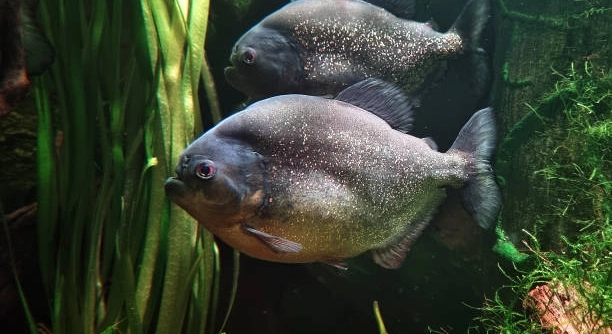
Nervous and confident piranhas show very different behaviors and reactions in their environment. These differences can affect how they interact with each other and with other creatures around them. Understanding these traits helps in recognizing their nature more clearly.
Nervous piranhas often display cautious, erratic movements and stay close to shelter, while confident piranhas exhibit bold, steady swimming and more assertive social interactions. These contrasting behaviors influence their survival strategies and group dynamics significantly.
Knowing these key differences helps us better observe and appreciate how piranhas behave in the wild or in captivity. This insight can improve how we interpret their actions and respond to their needs.
Body Language and Movement Patterns
Nervous piranhas often move quickly and unpredictably, darting between rocks or plants. Their bodies tend to stay low in the water, as if trying to stay hidden. You might notice their fins twitching or their eyes shifting rapidly. These signs show they are on alert, ready to react to possible threats. Confident piranhas, in contrast, swim with smooth, steady motions. They explore their surroundings more openly and spend more time in open water. Their fins are held more relaxed, and they often make eye contact with other fish. This difference in movement shows their level of comfort and control over their space. Watching closely can reveal these subtle clues about their mood and confidence. The way a piranha moves is a clear reflection of how secure or uneasy it feels.
Nervous piranhas tend to avoid confrontation, while confident ones engage more directly with their peers.
Understanding body language helps identify each piranha’s state and predict how they will respond in various situations. This knowledge can improve how we care for them or observe their interactions in groups.
Feeding Behavior Differences
Nervous piranhas often hesitate when food appears, sometimes taking longer to approach or eating less aggressively. They may quickly snap at food and then retreat, as if unsure about the safety of the situation. This cautious approach helps them avoid potential danger but can limit how much they eat. Confident piranhas, on the other hand, attack food eagerly and with force. They are quick to claim their share and sometimes even chase others away. This bold feeding style ensures they get enough nutrients and show dominance within the group. Observing feeding behavior gives insight into their confidence level and social rank. Feeding patterns reveal much about a piranha’s state of mind and overall health. Recognizing these differences allows for better management of their environment and diet, promoting a balanced and healthy aquarium or natural habitat.
Reaction to Threats
Nervous piranhas quickly retreat or hide when they sense danger. They rely on speed and camouflage to avoid conflict. Confident piranhas face threats more boldly, sometimes standing their ground or confronting the source directly.
When threatened, nervous piranhas become very cautious. They dart to nearby cover, staying still to avoid detection. This defensive behavior minimizes risk but limits their movement. They rarely challenge predators or other fish and prefer escape over fight. This approach helps them survive but can make them seem timid or fragile.
Confident piranhas respond differently. They may swim toward the threat with assertiveness, using their sharp teeth and strong jaws to intimidate. This boldness often scares off rivals or predators. Confident piranhas sometimes form small groups to appear larger and protect themselves. Their willingness to confront danger shows strength and helps maintain their territory.
Social Interaction Styles
Nervous piranhas tend to keep to themselves or stay on the outskirts of the group. They avoid direct contact and rarely engage in aggressive displays. Confident piranhas are more social, often leading groups and engaging actively with others. They establish clear pecking orders through displays and movements.
In groups, nervous piranhas maintain distance from others, which helps reduce stress and conflict. They watch interactions quietly but stay ready to retreat if things get intense. Confident piranhas take charge in social settings by asserting dominance and often initiating group activities. Their boldness encourages cooperation and order within the group. This contrast highlights how confidence shapes social roles and helps balance group dynamics. Understanding these social patterns offers valuable clues about the health and mood of the piranhas in any environment.
Eye Contact and Awareness
Nervous piranhas often avoid direct eye contact, quickly looking away when observed. This shows their cautious nature and desire to stay unnoticed. Confident piranhas maintain steady eye contact, signaling alertness and control over their surroundings.
Avoiding eye contact helps nervous piranhas stay safe by not drawing attention. Confident ones use eye contact to communicate strength and monitor their environment actively.
Territorial Behavior
Confident piranhas actively defend their space and mark territory with aggressive displays. They chase away intruders and patrol their area regularly. Nervous piranhas rarely claim territory, instead moving quietly through shared spaces without confrontation.
Vocalizations and Sounds
Nervous piranhas make fewer sounds, staying silent to avoid detection. Confident piranhas produce louder, more frequent vocalizations to communicate or warn others. This difference reflects their confidence and willingness to engage socially or defend themselves.
What makes a piranha nervous rather than confident?
A piranha becomes nervous mainly due to its environment and past experiences. If it lives in a place with many predators, loud noises, or frequent disturbances, it tends to stay alert and cautious. Lack of hiding spots or overcrowding can also increase stress, making the fish more nervous. Young or less dominant piranhas often show nervous behaviors because they are still learning how to survive and interact within their group. Confident piranhas usually have a stable environment with enough space and fewer threats, helping them feel secure and in control. Their natural personality also plays a role; some individuals are simply bolder than others.
How can you tell if a piranha is nervous in an aquarium?
In an aquarium, nervous piranhas often hide behind decorations or plants and avoid swimming in open areas. They may dart quickly when someone approaches or when lights turn on suddenly. You might notice them staying near the bottom or edges, rarely exploring the tank fully. Their fins may appear clamped close to their bodies, and they tend to eat less or be picky about food. Watching these behaviors over time helps identify nervousness. Reducing sudden changes and providing hiding places can help nervous piranhas feel safer.
Why do confident piranhas behave more boldly?
Confident piranhas have a sense of control over their environment and social group. They know where their territory is and aren’t afraid to defend it. This bold behavior comes from feeling safe and having enough resources like food and shelter. Confident piranhas are usually dominant or well-established within their group. Their steady swimming and direct eye contact show they are comfortable and ready to interact. Boldness helps them secure food and mates and keeps rivals in check. This confidence is a key part of their survival strategy.
Can a nervous piranha become confident over time?
Yes, nervous piranhas can grow more confident with time and the right conditions. When their environment becomes stable and safe, they slowly start exploring more and interacting with others. Providing plenty of hiding spots and a calm atmosphere helps reduce stress. Regular feeding and avoiding sudden changes also support confidence-building. Social interactions with calm group members encourage timid piranhas to join in and assert themselves. Patience is important because this process takes time, but many piranhas do show increased confidence as they adjust.
What role does group size play in piranha confidence?
Group size greatly affects how confident a piranha feels. In small groups or alone, piranhas may become nervous because they lack support and protection. Larger groups provide safety in numbers, allowing individuals to relax more. Confident piranhas often lead or hold high positions in bigger groups, giving them more control. However, overcrowding can cause stress, leading to nervousness or aggression. The right balance of group size creates a stable social structure where confidence thrives. Observing group dynamics helps maintain healthy social behavior.
Do nervous piranhas have different feeding needs?
Nervous piranhas often eat less or more cautiously, so their feeding needs might seem different. They may require softer, easier-to-catch food or more frequent but smaller meals. Watching their eating habits helps adjust feeding routines to avoid stress and ensure proper nutrition. Confident piranhas tend to eat more aggressively and quickly, sometimes dominating feeding times. Offering enough food and spreading it out can reduce competition and support both nervous and confident fish. Feeding methods should be adapted to each fish’s behavior for best results.
How does water quality impact piranha behavior?
Poor water quality stresses piranhas and increases nervousness. High ammonia, nitrate, or low oxygen levels make fish uncomfortable and can cause erratic or hiding behavior. Clean, well-filtered water supports healthy, confident piranhas that swim openly and interact naturally. Regular water changes and monitoring are crucial to maintain good water conditions. Stable temperature and pH also affect comfort levels. When water quality is good, piranhas show more natural behaviors and improved health, while bad conditions can lead to sickness and nervousness.
Are there specific signs to look for that indicate a confident piranha?
Confident piranhas display calm, steady swimming and explore their surroundings without fear. They often take the lead in group activities and defend their space when needed. Their fins are relaxed, and they make eye contact with other fish or observers. These piranhas feed eagerly and interact socially with peers. Watching for these signs helps identify which fish feel secure. Recognizing confident behavior is helpful in managing aquarium setups or studying wild populations to ensure healthy environments.
Understanding the differences between nervous and confident piranhas can help us better appreciate these fascinating fish. Nervous piranhas tend to be cautious and quick to hide, reacting to their surroundings with care. They often avoid direct confrontation and prefer staying close to shelter. On the other hand, confident piranhas move boldly and show more control over their environment. They swim steadily, interact openly with others, and defend their territory when needed. Recognizing these behaviors makes it easier to interpret what a piranha might be feeling and how it is coping with its environment. Whether in the wild or in an aquarium, these traits help explain their actions.
These differences also matter when caring for piranhas. Nervous piranhas need calm, stable environments with plenty of hiding spaces to reduce their stress. Confident piranhas usually handle changes better and take more active roles within their groups. Observing feeding habits, movement, and social interaction can guide how to improve their living conditions. For example, reducing sudden noises or overcrowding helps nervous fish feel safer. Providing enough food and space encourages confident fish to thrive. Paying attention to these details supports their health and promotes natural behaviors, which benefits both the fish and their caretakers.
Finally, it is important to remember that nervousness and confidence are not fixed traits but can change over time. With the right environment and care, a nervous piranha may become more confident as it feels secure. Social interactions with calm group members and regular routines help build trust and boldness. Watching how a piranha adapts offers valuable insights into its needs and personality. Taking the time to observe and understand these differences helps create a better experience for both the fish and those who study or care for them. It shows that even small signs can tell a lot about a piranha’s state and well-being.

Hello,
If you enjoy the content that we create, please consider saying a "Thank You!" by leaving a tip.
Every little bit helps us continue crafting quality advice that supports the health, happiness, and well-being of pets around the world, for pets of all shapes, sizes, and species.
We really appreciate the kindness and support that you show us!