
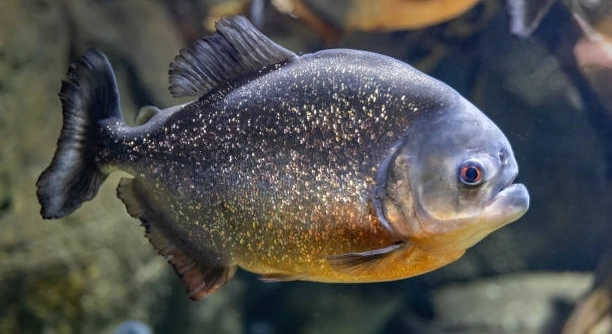
Noise from piranha tanks can be frustrating, especially when it disturbs your peace. Many tank owners face challenges with constant bubbling, motor sounds, and splashing water. Finding simple ways to reduce this noise improves the overall tank environment.
The primary methods to lower piranha tank noise involve adjusting filtration systems, securing loose parts, and managing water levels. Proper maintenance and placement of equipment significantly decrease operational sounds and create a quieter tank atmosphere for both owner and fish.
Reducing tank noise makes caring for piranhas more enjoyable and less stressful for the household environment. These practical tips will help create a calm space around your aquatic setup.
Adjust the Filtration System
The filtration system is often the loudest part of a piranha tank. Choosing a quieter filter can make a significant difference. External filters generally produce less noise than internal ones because they sit outside the tank. Additionally, placing the filter on a soft surface can absorb vibrations that cause noise. Regular maintenance is essential—clean the filter media and check for any blockages or damaged parts. A clogged filter motor can strain, increasing noise levels. Adjusting the water flow rate can also help; a strong flow often causes splashing and gurgling sounds. Lowering the flow slightly reduces noise without compromising water quality. Securing any loose tubes or hoses attached to the filter will prevent rattling or banging. These simple adjustments keep the filtration system running smoothly and quietly, providing a better environment for your fish and a more peaceful room atmosphere.
Keeping the filter clean and adjusting the flow rate can reduce noise quickly. Small fixes often lead to noticeable improvements in tank sound.
Proper filtration is vital for piranha health but doesn’t need to be noisy. When selecting a filter, consider models designed for quiet operation. Many modern filters come with noise-reducing features such as rubber mounts or insulated motors. Positioning the filter carefully away from hard surfaces can further reduce noise transmission. Inspecting the intake and outflow areas for debris ensures smooth water movement, which cuts down on gurgling. If noise persists, replacing worn-out parts like impellers or seals may be necessary. The goal is maintaining water cleanliness and oxygenation without disturbing the surrounding environment. Quiet filtration improves the tank’s enjoyment and allows you to focus on the piranhas rather than the background noise.
Secure Loose Tank Components
Loose lids, decorations, or equipment parts can create annoying sounds. Vibrations from pumps or filters may cause lids to rattle or decorations to shift. Tightening or cushioning these components will reduce noise. Using silicone pads or foam strips between lids and tank edges can absorb vibrations and prevent movement. Even small adjustments prevent continuous rattling sounds.
Loose components create unnecessary noise but are easy to fix. Securing them adds stability to the tank and lowers sound levels.
In many tanks, the glass or acrylic lid is not tightly fitted. This causes it to vibrate when water splashes or pumps operate. Adding soft materials like foam tape around the lid edges cushions the contact points and absorbs vibrations. Decorations that move slightly can knock against the tank walls or other items, producing unwanted noise. Anchoring these with aquarium-safe adhesives or rearranging them for a tighter fit helps stabilize the environment. Pumps or heaters attached to the tank might also have loose mounting brackets. Checking and tightening these regularly prevents vibration transfer to the tank structure. Keeping every piece stable reduces the overall noise and creates a quieter tank setup. This enhances your enjoyment and reduces disturbances caused by sudden rattling or clanking sounds.
Manage Water Levels Carefully
Maintaining proper water levels reduces splashing noises caused by water hitting the tank edges or equipment. Avoid overfilling or letting water drop too low, as both can increase sound.
When water levels are too high, splashes occur as water flows over filters or pumps. This can create a constant dripping or splashing noise that becomes irritating. On the other hand, low water levels can cause pumps to work harder and generate more vibrations. Regularly checking and adjusting the water height ensures smoother operation and quieter sounds. Using a water deflector or splash guard around filter outlets can also reduce noise from splashing. Consistent water levels help maintain a balanced environment for piranhas and minimize distracting sounds.
Water level management is a simple yet effective way to keep tank noise down. It improves both tank function and the comfort of the surrounding space.
Use Sound-Absorbing Materials
Adding sound-absorbing materials around the tank reduces noise transmission to the room. Foam mats or rubber pads placed under the tank or equipment absorb vibrations effectively.
Soft materials dampen the vibrations caused by motors, pumps, or water movement. Placing a foam mat beneath the tank isolates it from hard surfaces like tables or stands that amplify sound. Similarly, rubber pads under pumps or filters decrease rattling noises. These materials are inexpensive and easy to use but can significantly reduce unwanted sound. They also protect furniture and flooring from scratches or damage caused by tank vibrations. By incorporating sound-absorbing items, the overall noise level decreases, creating a more peaceful environment without sacrificing tank functionality.
Choose a Quieter Pump
Selecting a pump designed for low noise helps reduce overall tank sound. Look for models labeled “quiet” or “silent” that operate smoothly.
A quieter pump uses better bearings and motor insulation to limit vibrations. Investing in one reduces ongoing noise without sacrificing water circulation or oxygenation for the piranhas.
Position the Tank Properly
Placing the tank on a sturdy, vibration-absorbing surface limits noise transmission. Avoid unstable stands or tables that amplify sound.
Positioning the tank away from walls or corners reduces echoing and reverberation of tank noises in the room. These small changes improve overall quietness.
Use a Timer for Equipment
A timer can schedule pumps or lights to operate during less disruptive times, minimizing noise when quiet is needed most.
FAQ
Why is my piranha tank making so much noise?
Noise usually comes from the filtration system, water movement, or loose parts. Filters create vibrations and splashing, while pumps and hoses can rattle if not secured properly. High water flow rates and incorrect water levels also contribute to louder sounds. Addressing these common factors helps lower noise effectively.
Can I reduce noise without buying new equipment?
Yes. Many noise issues can be fixed by cleaning and maintaining existing equipment. Tighten loose parts, adjust water levels, and place soft padding under the tank or filter. Simple changes like cushioning lids and rearranging decorations also reduce rattling. These steps improve quietness without extra cost.
Will lowering the filter flow harm my piranhas?
Lowering the flow slightly usually doesn’t harm piranhas as long as water quality remains good. Too strong a flow causes splashing and stress. Maintain proper filtration and oxygen levels while adjusting flow. If unsure, monitor fish behavior to ensure they stay comfortable.
How often should I clean my filter to keep noise down?
Regular cleaning is important. A clogged filter motor strains and becomes noisy. Clean filter media every two to four weeks depending on tank size and stocking. Rinse parts in tank water, not tap water, to preserve beneficial bacteria. This keeps the filter working quietly and efficiently.
Are external filters always quieter than internal filters?
External filters tend to be quieter because they sit outside the tank and can be mounted on soft surfaces. Internal filters are inside the water, which may amplify motor noise. However, some internal filters are designed to run quietly. Choosing quality equipment with noise reduction features is key.
What materials are best for cushioning the tank and equipment?
Foam mats, rubber pads, and silicone strips work well to absorb vibrations. These materials prevent direct contact between equipment and hard surfaces, reducing noise. They are affordable, easy to cut, and install. Avoid materials that degrade in water or emit harmful chemicals.
Does the tank size affect noise levels?
Larger tanks often require bigger or more powerful filters and pumps, which can produce more noise. Smaller tanks usually have smaller equipment, generating less sound. However, proper equipment choice and placement can minimize noise regardless of tank size.
Can decorations cause tank noise?
Yes. Decorations that move or knock against tank walls add to noise. Anchoring decorations or arranging them snugly prevents rattling. Avoid placing lightweight items where strong water flow can shift them. Stable décor contributes to a quieter tank environment.
Is it normal for the water to splash and cause noise?
Some splashing is normal, especially near filter outlets. Excessive splashing often results from high flow rates or improper water levels. Using splash guards or deflectors and adjusting flow reduces this noise. Proper water height also prevents splashing onto lids or tank edges.
Should I turn off equipment at night to reduce noise?
Turning off equipment can reduce noise but risks lowering water quality and oxygen levels. Using a timer to run pumps at lower speeds during the night balances quietness and fish health. Avoid complete shutdown unless the tank setup supports it safely.
How do vibration-absorbing surfaces help?
Vibration-absorbing surfaces like foam or rubber mats isolate the tank and equipment from hard surfaces. This reduces sound transmission caused by motor vibrations. These materials also protect furniture from scratches and damage. They are an easy and effective noise reduction method.
What should I do if noise persists despite adjustments?
If noise continues, inspect equipment for worn or damaged parts like impellers and seals. Replacing these often solves the issue. Consider upgrading to quieter models designed specifically for low noise operation. Consulting with aquarium professionals can help identify specific problems.
Is noise harmful to piranhas?
Excessive noise may stress fish, affecting their health and behavior. Piranhas are sensitive to vibrations and sudden loud sounds. Creating a calm environment with reduced noise supports their well-being. Quiet tanks encourage natural behavior and improve fish longevity.
Can I use a noise cover or enclosure for the tank?
Noise covers or enclosures can help absorb sound but must allow proper ventilation and access. Poor airflow can lead to overheating and equipment failure. If using covers, choose designs made for aquariums that balance noise reduction and safety.
Are there filters with built-in noise reduction features?
Some filters come with insulated motors, rubber mounts, or specially designed impellers to reduce noise. These features limit vibrations and motor sound. Investing in such equipment can greatly improve tank quietness without sacrificing filtration quality.
How important is tank placement for noise control?
Tank placement affects how sound travels through the room. Placing the tank on a stable, vibration-absorbing surface away from walls or corners reduces echo and vibration amplification. Avoid placing tanks on unstable furniture that may increase noise or risk accidents.
Can plants help reduce tank noise?
Live or artificial plants absorb some water movement energy, which can reduce splashing and noise. Dense planting creates calmer water flow and reduces turbulence. While plants alone don’t eliminate noise, they contribute to a quieter, more natural environment.
This FAQ covers common concerns and practical solutions to manage piranha tank noise effectively. Implementing these tips improves your tank’s atmosphere and enhances your overall experience.
Final Thoughts
Reducing noise in a piranha tank is important for both the fish and the people around the tank. Excessive noise can stress the fish and make the environment less enjoyable. Many noise issues come from common sources like filters, pumps, and water movement. By addressing these areas, the tank becomes quieter and more comfortable. Simple adjustments, such as managing water levels and using sound-absorbing materials, can have a significant impact without major costs or complicated changes.
Investing in quieter equipment also makes a difference. Choosing pumps and filters designed for low noise reduces vibrations and rattling. Proper placement of the tank and its equipment helps minimize sound transmission and echo. Regular maintenance keeps the system running smoothly and quietly. Even small changes, like cushioning the tank or adding decorations to reduce splashing, contribute to a better noise level. These actions not only improve quietness but also support a healthier environment for piranhas.
Overall, lowering piranha tank noise requires consistent attention to the tank’s setup and care. Noise control improves daily enjoyment and helps maintain the fish’s well-being. Taking steps to reduce sound can make the tank a more peaceful part of the space. Quiet tanks allow for better observation of the fish and a calmer atmosphere. Applying these simple but effective methods ensures a quieter, more pleasant aquarium experience.

Hello,
If you enjoy the content that we create, please consider saying a "Thank You!" by leaving a tip.
Every little bit helps us continue crafting quality advice that supports the health, happiness, and well-being of pets around the world, for pets of all shapes, sizes, and species.
We really appreciate the kindness and support that you show us!