
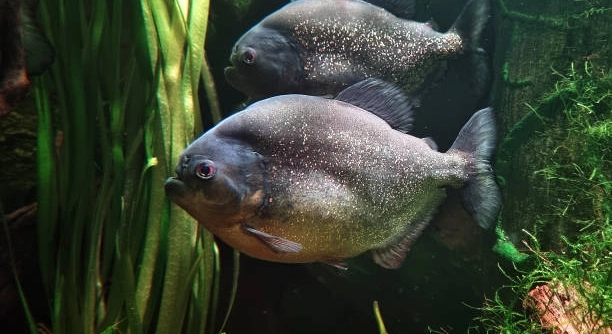
Piranhas are fascinating fish known for their sharp teeth and quick feeding habits. Their daily eating routines involve several adjustments that help them survive and thrive in their natural habitats. These changes are essential to how they interact with their environment.
Piranhas modify their feeding behavior based on factors such as water temperature, food availability, competition, and safety. They adjust the timing, amount, and type of food they consume daily to maintain energy and avoid threats. These adaptations optimize their survival.
Learning about these feeding adjustments provides insight into piranhas’ survival strategies. Understanding their behavior helps us appreciate the complexity behind their fierce reputation.
Changes in Feeding Times
Piranhas often change their feeding times depending on environmental conditions. During warmer parts of the day, they tend to eat less because higher temperatures increase their metabolism, making them more active but less focused on feeding. In cooler water or early mornings, their feeding activity rises as they conserve energy and take advantage of calmer surroundings. Shifts in light and water clarity also affect when piranhas decide to hunt. When the water is murky, they feed more at dawn or dusk when visibility improves slightly. These timing adjustments help piranhas balance their energy use and avoid predators. It’s interesting to see how flexible these fish are with their daily habits, responding quickly to small changes in their environment.
This adjustment in feeding times is a natural response to both internal needs and external conditions, ensuring piranhas stay efficient and safe while hunting for food.
Understanding when piranhas choose to feed helps explain their behavior patterns and how they survive in varied habitats. It also sheds light on how environmental changes can influence their daily activities, which is important for anyone studying aquatic ecosystems or caring for these fish in captivity.
Adaptation to Food Availability
Piranhas adjust their diet based on what food is available at any given time. When small fish or insects are abundant, they focus on those as their main source of energy. However, if food becomes scarce, they switch to scavenging or eating plant matter to survive. This flexibility in diet allows piranhas to endure tough conditions without starving. Sometimes they gather in groups to increase their chances of catching prey, showing a cooperative side that isn’t often noticed. These feeding adjustments help maintain balance in their environment, as piranhas don’t rely on just one food source.
Their ability to adapt to changes in food supply demonstrates a survival skill that keeps their populations stable even in fluctuating conditions. It also highlights the importance of a diverse diet for their health.
This adaptability is a key reason why piranhas remain successful in many different aquatic environments. It shows that they are not just aggressive hunters but also opportunistic feeders who make the most of what’s available. By shifting their eating habits, they reduce competition and improve their chances of survival.
Response to Competition
Piranhas change their feeding habits when competition for food increases. They often become more aggressive and feed in larger groups to secure enough food. This behavior helps them outcompete other fish and avoid going hungry.
When many fish are around, piranhas may feed more quickly and intensely to get their share before others do. They also adjust the times they feed to avoid peak competition periods. This can mean feeding earlier in the morning or later in the evening when fewer competitors are active. Group feeding helps them overpower prey and defend their catch from rivals. These changes are necessary to keep up with the pressure from other fish sharing their environment.
Adjusting to competition also means piranhas sometimes switch prey types to avoid direct conflict with others. This flexible strategy improves their chances of finding enough food and surviving alongside many different species.
Safety-Driven Feeding Adjustments
Piranhas alter feeding behaviors to stay safe from predators. They often feed in groups, which provides protection through numbers. Feeding in large schools reduces the chance of any one fish being targeted. They also choose safer feeding spots, such as areas with more cover or closer to the riverbank, where hiding is easier. When threats are nearby, piranhas become more cautious and reduce their feeding activity to avoid drawing attention. These safety-driven changes help piranhas balance hunger with risk, ensuring they survive in dangerous environments without missing meals. This behavior shows their instinct for self-preservation while maintaining their feeding needs.
Seasonal Feeding Changes
Piranhas adjust their feeding habits according to the seasons. During rainy seasons, food is more plentiful, so they feed more frequently. In dry seasons, food becomes scarce, causing them to reduce feeding and conserve energy.
These seasonal shifts help piranhas survive through times of plenty and scarcity. Their bodies and behaviors adapt naturally to these changes, allowing them to thrive year-round.
Influence of Water Conditions
Water quality and temperature strongly affect piranha feeding. Clear, oxygen-rich water encourages more active hunting, while murky or low-oxygen conditions slow feeding. Temperature changes also impact their metabolism, altering how much and when they eat.
Feeding Technique Variations
Piranhas change how they feed based on prey type. They use quick bites for smaller prey and stronger, coordinated attacks for larger or tougher food sources. These variations improve their hunting success in different situations.
What do piranhas mainly eat during their daily feeding?
Piranhas primarily feed on smaller fish, insects, and crustaceans. Their diet varies depending on what is available in their environment. When prey is plentiful, they focus on fresh, live food. If not, they may scavenge or consume plant material to meet their nutritional needs. This flexibility helps them survive in changing conditions.
How do piranhas change their feeding habits when food is scarce?
When food becomes limited, piranhas reduce the frequency and size of their meals to conserve energy. They may shift from hunting live prey to scavenging dead animals or consuming plant matter. Feeding in groups can also improve their chances of catching food during tough times.
Do piranhas feed differently based on water temperature?
Yes, water temperature directly affects piranha metabolism and feeding behavior. In warmer water, they become more active but may feed less frequently due to faster digestion. Cooler water slows them down, making them feed less often but sometimes more deliberately.
Why do piranhas sometimes feed in groups?
Feeding in groups allows piranhas to overpower larger prey and protect their food from competitors. Group feeding also increases their chance of survival by reducing individual risk from predators. This social behavior can vary depending on food availability and threat levels.
How do piranhas avoid predators while feeding?
Piranhas choose safer feeding times and locations to avoid predators. They often feed in shaded or covered areas and stay close to their schools. When threats are nearby, they become more cautious and may feed less aggressively or at different times.
Can piranhas eat plants, and why would they do that?
Though mainly carnivorous, piranhas will sometimes eat plant material, especially during food shortages. Plant matter can provide extra nutrients and help them survive when animal prey is scarce. This opportunistic feeding supports their adaptability in various environments.
Do piranhas change their feeding techniques for different prey?
Yes, piranhas use quick bites for small or soft prey but employ coordinated, strong attacks when hunting larger or tougher animals. These technique changes maximize their hunting success and reduce energy waste.
How does competition influence piranha feeding behavior?
When competition for food increases, piranhas may feed more quickly and aggressively. They adjust their feeding times to avoid overlap with other species or groups. Sometimes, they switch to different food sources to reduce conflict and ensure they get enough to eat.
Are there seasonal changes in piranha feeding patterns?
Seasonal changes affect food availability, causing piranhas to adjust their feeding. During rainy seasons, food is abundant, so they feed more often. Dry seasons bring scarcity, leading them to eat less and conserve energy. These adjustments are critical for their survival throughout the year.
How does water clarity affect piranha feeding?
Piranhas rely on sight and movement to locate prey. Clear water allows more effective hunting, increasing their feeding activity. In murky water, they may feed less or shift feeding times to when visibility is better, such as early morning or late afternoon.
Piranhas are often seen as fierce and simple predators, but their feeding habits show a much deeper level of complexity. Throughout their daily routines, they make many small changes to how, when, and what they eat. These adjustments help them survive in different environments and under varying conditions. By changing their feeding times, adapting to the availability of food, and responding to threats and competition, piranhas demonstrate flexibility that supports their survival. This ability to adjust is important for maintaining balance within their ecosystem, ensuring they do not overconsume or run out of resources.
Their behavior is influenced by many factors like water temperature, clarity, and seasonal changes. For example, warmer water speeds up their metabolism but may lead them to feed less often, while cooler water slows them down, affecting their feeding frequency. Seasonal shifts in rainfall also impact food availability, forcing piranhas to either eat more when food is plenty or conserve energy during dry times. These natural rhythms show how closely connected piranhas are to their environment. Understanding these patterns helps explain why piranhas behave the way they do and why their feeding habits are not fixed but change with their surroundings.
Overall, learning about the feeding adjustments of piranhas provides a clearer picture of their daily lives beyond their fierce reputation. These fish are not just aggressive hunters; they are adaptable survivors who carefully balance risk, energy use, and food availability. Recognizing this can change how we view them and highlights the importance of their role in aquatic ecosystems. Their flexibility and ability to respond to different conditions make piranhas a strong example of how animals survive by adjusting to the challenges they face each day.

Hello,
If you enjoy the content that we create, please consider saying a "Thank You!" by leaving a tip.
Every little bit helps us continue crafting quality advice that supports the health, happiness, and well-being of pets around the world, for pets of all shapes, sizes, and species.
We really appreciate the kindness and support that you show us!