
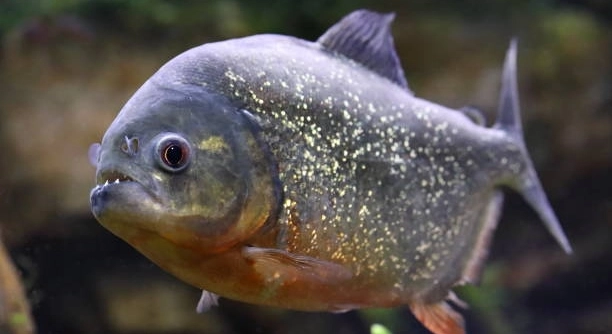
Piranhas are often known for their sharp teeth and fierce reputation in freshwater habitats. Most people think they all behave the same way, but some species show unique traits that set them apart. These differences can be surprising and interesting.
Among the many piranha species, seven stand out due to their distinctive behaviors, which differ from the typical aggressive feeding patterns. These piranhas exhibit variations in diet, social interaction, and habitat preferences, revealing the diversity within the group.
Learning about these unusual piranhas helps us better understand their role in ecosystems and challenges common assumptions about their nature. Their behaviors offer new insights into freshwater life.
The Black Piranha’s Calm Side
The Black Piranha is often seen as one of the fiercest species, but it can show surprisingly calm behavior. Unlike the typical image of piranhas attacking in groups, Black Piranhas sometimes prefer to hunt alone. They are known to be more patient hunters, waiting quietly for the right moment to strike. This species tends to avoid unnecessary conflict, focusing on energy-saving hunting tactics. In addition, their diet can include more plant matter than expected, which softens their aggressive reputation. Black Piranhas usually live in slower-moving waters, which may influence their less frantic behavior. Observing them reveals that they are not always the mindless feeders they are made out to be. This calm side shows a different survival strategy that is quite effective in their environment.
Their more peaceful hunting style contrasts with the typical aggressive swarming behavior seen in many other piranha species.
This behavior helps the Black Piranha avoid injuries and conserve energy. It also affects how they interact within their groups, often leading to smaller, less chaotic schools. Understanding these traits gives a clearer picture of how varied piranha behavior can be.
The Red-Bellied Piranha’s Social Nature
The Red-Bellied Piranha is one of the most well-known types due to its bright coloring and bold behavior. This species tends to live in larger groups compared to others, relying heavily on social interactions to protect itself. Schools of Red-Bellied Piranhas work together to confuse predators and increase their chances of survival. They also communicate through sounds and movements, showing a level of cooperation not often expected from these fish. Their social behavior plays a key role in their feeding habits, as they often hunt collectively. This cooperation allows them to take down prey much larger than themselves. Living in crowded environments has pushed this species to develop complex social skills that make them very different from more solitary piranha species.
While their reputation is fierce, the social bonds they form offer safety and efficiency that benefit the entire group.
The Wimple Piranha’s Unique Diet
The Wimple Piranha is quite different because it does not rely solely on meat. It prefers to eat fruits, seeds, and nuts that fall into the water. This makes its diet much more varied than most other piranhas.
This species lives near riverbanks with dense vegetation. The availability of plant material influences its eating habits, making it more of a seasonal feeder. When fruits are abundant, the Wimple Piranha will focus on these, shifting away from the typical carnivorous diet. This change in eating habits reduces competition with other piranhas and helps maintain balance in its environment.
Because of its plant-based diet, the Wimple Piranha has teeth shaped differently from its relatives. They are less sharp but stronger, suitable for crushing hard shells and seeds. This adaptation allows it to survive in places where other piranhas might struggle.
The San Francisco Piranha’s Social Behavior
San Francisco Piranhas tend to be less aggressive and form small groups that rarely attack in large numbers. This social behavior is different from many other piranha species.
They spend a lot of time interacting with each other through body movements and slight sounds, which helps maintain group harmony. These groups often forage together but avoid unnecessary conflicts, focusing on cooperative feeding. This reduces injuries and conserves energy, important in their less dangerous habitats. Their social system supports peaceful coexistence within the group, making them stand out among other piranhas known for chaos and aggression.
The Golden Piranha’s Habitat Preference
The Golden Piranha prefers clear, fast-flowing rivers rather than slow, murky waters. This choice affects how it behaves compared to other species.
Living in these fast currents requires stronger swimming skills and a different hunting style. The Golden Piranha often hunts alone or in very small groups, relying on speed rather than numbers.
The Sharptooth Piranha’s Feeding Habits
The Sharptooth Piranha has a highly varied diet that includes insects, fish, and sometimes even plants. This flexibility helps it survive in different environments. Unlike other piranhas that focus on group attacks, the Sharptooth often hunts individually, using quick bursts of speed to catch prey before retreating to safety.
The Amazon Piranha’s Activity Levels
The Amazon Piranha is less active during the day and hunts mostly at night. This nocturnal behavior helps avoid predators and competition from other fish.
FAQ
What makes these seven piranhas behave differently from others?
These seven piranha species show unique behaviors such as varied diets, social structures, and habitat preferences. Unlike the typical image of aggressive swarming, some hunt alone, eat plants, or prefer quieter social groups. These differences help them survive better in specific environments and reduce competition among species.
Are these piranhas less dangerous to humans?
While these species may show less aggressive behavior than typical piranhas, they can still defend themselves if threatened. Their changes in diet or social habits don’t mean they are harmless. Caution is always important when near any piranha species.
Why does the Wimple Piranha eat mostly fruits and nuts?
The Wimple Piranha lives near areas with plenty of vegetation, where fruits and seeds fall into the water. This diet helps reduce food competition with meat-eating piranhas and allows it to thrive in environments where animal prey may be scarce or seasonal.
How do the social behaviors of the Red-Bellied and San Francisco Piranhas differ?
Red-Bellied Piranhas form large, cooperative groups for hunting and protection, showing complex social interactions. San Francisco Piranhas, however, live in smaller, peaceful groups and avoid aggression, focusing on group harmony rather than chaotic swarming.
Do Golden Piranhas need stronger swimming skills?
Yes, living in fast-flowing, clear rivers requires the Golden Piranha to be a strong swimmer. They often hunt alone or in small groups, relying on speed rather than numbers, which is different from other piranhas that hunt in large schools in calmer waters.
How does the Sharptooth Piranha’s diet help it survive?
The Sharptooth Piranha’s flexible diet, which includes insects, fish, and plants, allows it to adapt to various environments. Hunting mostly alone with quick strikes helps it avoid injury and conserve energy, unlike more aggressive, group-hunting piranhas.
Why is the Amazon Piranha nocturnal?
Being active mostly at night helps the Amazon Piranha avoid predators and reduces competition with other fish. This behavior allows it to hunt safely under cover of darkness and increases its chances of finding food in busy freshwater systems.
Are these behavioral differences common among other fish species?
Yes, many fish species show a wide range of behaviors depending on their habitat, food availability, and social needs. Piranhas are no exception; their diversity in behavior highlights how species adapt to survive in different environments.
Can these unique piranhas live well in aquariums?
Some species with calmer or more social behaviors might adapt better to aquarium life, but their specific diet and environment needs must be carefully met. Understanding their natural behaviors is key to providing proper care.
Does diet affect piranha teeth shape?
Yes, species like the Wimple Piranha have teeth adapted to crushing hard plant material, while others have sharp teeth suited for tearing flesh. Teeth shape reflects diet and helps each species survive in its niche.
The diversity of piranha behavior is more interesting than many people expect. While most think of piranhas as aggressive fish that always hunt in groups, the reality is much more complex. Some species prefer to hunt alone or in small groups, while others focus on plant-based diets rather than meat. These differences show how piranhas have adapted to their environments in many ways. Understanding these variations helps us see that piranhas are not just one simple type of fish but a group with a range of behaviors and lifestyles.
Each of the seven piranhas covered in this article demonstrates how life in different habitats can shape behavior. The Black Piranha’s calm hunting style, the Red-Bellied Piranha’s social cooperation, and the Wimple Piranha’s fruit-eating habits all highlight how survival needs influence actions. Other species like the Golden Piranha thrive in fast rivers, while the Amazon Piranha’s nocturnal activity shows yet another unique adaptation. These behaviors help them find food, avoid danger, and live successfully alongside other species. This variety also reminds us that nature often finds many solutions to the same problems.
Knowing about these special piranhas can change how we think about them and their role in freshwater ecosystems. Instead of just fearing or misunderstanding piranhas, it’s helpful to recognize their complexity and the ways they fit into their habitats. These fish have evolved different ways to survive that are worth respecting and learning about. This knowledge can encourage better care in captivity and promote more interest in conserving their natural homes. The more we learn about piranhas, the better we can appreciate their place in the aquatic world.

Hello,
If you enjoy the content that we create, please consider saying a "Thank You!" by leaving a tip.
Every little bit helps us continue crafting quality advice that supports the health, happiness, and well-being of pets around the world, for pets of all shapes, sizes, and species.
We really appreciate the kindness and support that you show us!