
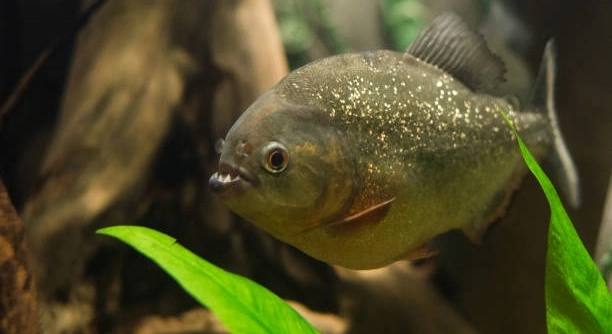
Captive-bred piranhas show several traits that differ from their wild counterparts. These traits often surprise hobbyists and researchers alike, revealing how captivity shapes their behavior and appearance. Understanding these differences can improve their care and management.
Seven unusual traits in captive-bred piranhas include altered aggression levels, changes in coloration, smaller size, modified feeding habits, increased tolerance to tank mates, different social behavior, and varied breeding patterns compared to wild piranhas.
Exploring these traits helps aquarists provide better environments and care for their piranhas, ensuring healthier and more balanced aquatic pets.
Altered Aggression Levels
Captive-bred piranhas often show different aggression compared to those in the wild. In their natural habitat, piranhas are known for their fierce behavior, especially when hunting or protecting territory. However, in captivity, they tend to be less aggressive. This change likely results from regular feeding schedules and the absence of predators or competition for food. Many captive piranhas live in controlled environments where their needs are met consistently, reducing the need for aggressive actions. This calmer behavior makes them easier to keep in community tanks with other fish, but it also means their natural instincts are somewhat suppressed. Observing these fish reveals how much environment impacts behavior. This shift can be beneficial for aquarists, but it requires understanding the balance between natural traits and captive conditions.
Lower aggression in captive piranhas allows for safer tank setups and less stress among fish.
Knowing this helps hobbyists choose compatible tank mates and maintain a peaceful environment. Proper management ensures captive piranhas stay healthy and comfortable.
Changes in Coloration
Captive-bred piranhas often have different colors compared to wild ones. The bright reds and silvers seen in nature may appear duller or altered in captivity. These changes happen because of diet, lighting, and genetics in controlled environments. Captive fish may lack the varied foods that boost natural pigmentation. Lighting in tanks is usually less intense than sunlight, which also affects how their colors develop. Over time, breeders may select fish with specific traits, unintentionally altering their appearance. Despite these changes, captive piranhas still maintain recognizable markings but can appear less vibrant. Understanding coloration shifts can guide proper tank care and diet choices to enhance their natural beauty. Maintaining good water quality and nutrition helps support better coloration, making captive piranhas more visually appealing. Adjusting tank conditions can bring out stronger colors.
Regular care and diet improvements can improve captive piranhas’ coloration over time.
Smaller Size in Captive-Bred Piranhas
Captive-bred piranhas tend to grow smaller than their wild relatives. This size difference comes from limited space and diet in captivity.
Tank size restricts growth since confined environments don’t provide the same room to roam. Also, captive diets, while balanced, may lack the variety found in the wild, impacting maximum growth potential. Wild piranhas grow larger because they hunt diverse prey and have more space to swim freely. In captivity, energy use shifts from hunting to resting, which can also influence growth. Smaller size can make captive piranhas easier to care for but may change their behavior and health needs compared to larger wild types.
Knowing these size differences helps owners adjust tank conditions and feeding routines for captive piranhas’ wellbeing.
Smaller size affects tank compatibility and health management, requiring tailored care.
Understanding growth limits in captivity can improve your approach to feeding and tank setup, keeping piranhas comfortable and healthy.
Modified Feeding Habits
Captive-bred piranhas often adapt to regular feeding schedules and eat differently than wild fish. They accept prepared foods like pellets and frozen items instead of live prey. This change reduces aggressive hunting behavior and lowers stress caused by competition for food. Feeding captive piranhas consistently helps maintain their health but may dull some natural instincts over time.
Because of this, owners need to provide a balanced diet rich in protein to meet nutritional needs. Offering variety can prevent boredom and encourage natural feeding behavior. While they may not hunt like wild piranhas, providing occasional live or fresh food improves overall wellbeing. These feeding habits make piranhas easier to care for but also require careful planning to avoid overfeeding and obesity.
Good feeding practices support healthy growth and vibrant colors, contributing to a longer life in captivity.
Increased Tolerance to Tank Mates
Captive-bred piranhas often show more tolerance toward other fish in the same tank. This is a shift from their wild behavior, where they are usually very territorial and aggressive.
This increased tolerance is likely due to their upbringing in controlled environments with regular feeding and less need to compete.
Different Social Behavior
In captivity, piranhas display social patterns that differ from the wild. They may form looser groups or swim more independently since food is provided regularly. Without the pressure to hunt or defend territory, they interact less aggressively. This change affects how they communicate and establish hierarchy within the tank. Captive piranhas often become less territorial, allowing for easier group housing. However, some aggression may still occur during feeding or breeding times. Understanding these social changes helps in managing tank populations and reducing stress among fish, improving their overall health and lifespan in captivity.
Varied Breeding Patterns
Breeding behavior in captive piranhas can differ from wild piranhas, often occurring more frequently due to stable conditions.
What are the main differences between captive-bred and wild piranhas?
Captive-bred piranhas generally show less aggression, smaller size, and altered coloration compared to wild piranhas. They also have different feeding habits, social behaviors, and breeding patterns because of the controlled environment. These changes happen due to consistent food supply, limited space, and reduced threats in captivity.
How does captivity affect piranha aggression?
In captivity, piranhas tend to be less aggressive because they don’t need to compete for food or territory. Regular feeding schedules and smaller tank sizes reduce their natural urge to fight. This makes them easier to keep with other fish but can suppress some of their natural instincts.
Why do captive-bred piranhas often have duller colors?
Captive piranhas may lose some of their bright reds and silvers due to diet and lighting. In the wild, varied foods and natural sunlight help maintain vivid colors. Tank lighting and limited food variety often cause duller or faded coloration in captivity.
Can the smaller size of captive piranhas be a problem?
Smaller size usually isn’t harmful but does mean their care needs to be adjusted. Smaller fish need different tank setups and feeding routines. Size limits also affect their behavior and compatibility with other fish in the tank.
What should I feed captive-bred piranhas?
A balanced diet of pellets, frozen foods, and occasional live food works best. Feeding on a schedule keeps them healthy but adding variety helps maintain natural behaviors and nutrition. Avoid overfeeding to prevent obesity and water quality issues.
How do captive-bred piranhas behave socially?
They tend to be less territorial and more tolerant of tank mates. While some aggression may still appear during feeding or breeding, they usually form looser groups than wild piranhas, adapting well to community tanks when managed properly.
Are breeding patterns different in captive piranhas?
Yes, captive piranhas often breed more frequently due to stable water conditions and constant food supply. However, their breeding behaviors can be less intense than wild piranhas, as there is less competition and stress in the environment.
Can captive-bred piranhas live as long as wild ones?
With proper care, captive piranhas can live as long as or sometimes longer than wild ones. Stable conditions, good nutrition, and less stress help promote a healthy lifespan in captivity.
Is it safe to keep captive-bred piranhas with other fish?
Many captive-bred piranhas are more tolerant and can be kept with certain fish species. It’s important to choose tank mates carefully and monitor interactions to avoid aggression, especially during feeding times.
How can I improve the coloration of my captive piranha?
Providing a varied diet rich in natural pigments, good lighting that mimics daylight, and maintaining clean water conditions can help improve coloration. Sometimes supplementing with foods high in carotenoids supports brighter colors.
What tank size is suitable for captive-bred piranhas?
A minimum of 30 gallons per adult piranha is recommended to provide enough space. Larger tanks help reduce stress and aggression, and allow for natural swimming behavior.
Do captive-bred piranhas require special water conditions?
They thrive in clean, well-filtered water with stable temperature between 75–82°F (24–28°C) and a neutral to slightly acidic pH. Regular water changes help maintain health and reduce disease risks.
How often should I feed my captive piranhas?
Feeding two to three times a week is usually enough. Overfeeding can cause health problems and pollute the tank. Adjust the amount based on their size and activity level.
Can captive-bred piranhas become aggressive suddenly?
Yes, aggression can increase during breeding or if food is scarce. It’s important to monitor behavior and separate overly aggressive fish to prevent injuries.
What signs indicate stress in captive piranhas?
Signs include hiding, loss of appetite, color fading, and erratic swimming. Stress often results from poor water quality, overcrowding, or sudden changes in the environment.
Is it necessary to provide hiding spots for captive piranhas?
Yes, hiding spots help reduce stress and aggression by giving fish a place to retreat. Plants, rocks, and decorations create a more natural and comfortable environment.
How can I prevent disease in captive piranhas?
Maintaining clean water, avoiding overfeeding, quarantining new fish, and regular health checks reduce disease risks. Early treatment is key if symptoms appear.
Are captive-bred piranhas good pets for beginners?
They can be, but they require proper tank size, water conditions, and diet. Their calmer nature compared to wild piranhas makes them more manageable, but research and preparation are important for success.
Captive-bred piranhas are quite different from their wild relatives in many ways. These differences come from living in controlled environments where food, space, and safety are managed. Their behavior, size, color, and social habits often change because of these conditions. Understanding these changes helps anyone who cares for captive piranhas provide better care. It also helps set realistic expectations about what to expect from these fish. While they might not act as fiercely as wild piranhas, captive-bred ones still have interesting traits that make them unique pets. Knowing about these traits allows owners to create a comfortable and healthy environment for them.
One important thing to remember is that captive piranhas need special care that fits their altered traits. Their smaller size and calmer behavior mean they might live well in community tanks with the right companions. However, aggression can still appear sometimes, especially during feeding or breeding, so careful observation is needed. Their diet should be balanced and varied to keep them healthy and maintain better coloration. Feeding them prepared foods mixed with occasional live or fresh items supports their nutrition. Tank conditions also play a big role—clean water, proper temperature, and enough hiding spaces are essential to reduce stress and prevent illness. These details matter a lot when trying to keep captive-bred piranhas thriving.
Overall, captive-bred piranhas can make fascinating pets for those willing to learn about their needs. They offer a chance to observe unique behaviors shaped by their environment. While they may not be as aggressive or large as wild piranhas, their unusual traits make them rewarding to care for. Taking the time to understand how captivity changes them helps owners provide a good quality of life. With proper care, these fish can live long, healthy lives and bring enjoyment to their keepers. Knowing what to expect and how to respond to their special needs will lead to a more successful and satisfying experience with captive-bred piranhas.

Hello,
If you enjoy the content that we create, please consider saying a "Thank You!" by leaving a tip.
Every little bit helps us continue crafting quality advice that supports the health, happiness, and well-being of pets around the world, for pets of all shapes, sizes, and species.
We really appreciate the kindness and support that you show us!