
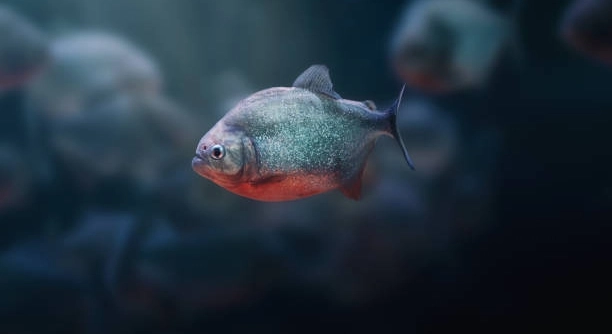
Piranhas are often seen as fierce fish, but there is much more to them than meets the eye. Many people recognize only a few common types, missing out on the variety that exists beneath the surface. These lesser-known subspecies each have unique traits worth exploring.
Seven subspecies of piranhas have been identified, each with distinct physical characteristics and behaviors that differentiate them from the widely known species. These subspecies vary in habitat, size, and feeding habits, revealing the diversity within this fascinating group of fish.
Learning about these different piranhas helps us appreciate the complexity of their ecosystems and the roles they play in nature’s balance. Exploring their unique features sheds light on why they matter beyond their fearsome reputation.
Red-Bellied Piranha
The red-bellied piranha is the most recognized among the subspecies. It is well known for its bright red underbelly and sharp teeth. These fish live in rivers and lakes across South America, often in slow-moving or stagnant waters. They usually gather in schools, which offers protection and helps them hunt more effectively. Their diet includes fish, insects, and plant material, showing they are not just aggressive predators but opportunistic feeders. Despite their reputation, red-bellied piranhas rarely attack humans unless provoked or in stressful conditions. Their bright coloring makes them easy to spot, and many aquarists keep them in tanks due to their striking appearance.
These piranhas have strong jaws that can bite through tough prey quickly. They rely on teamwork during hunts, which increases their success rate.
Understanding their behavior helps clear up common myths. They are more complex than simply being dangerous fish.
San Francisco Piranha
San Francisco piranhas are smaller and less colorful than their red-bellied relatives. They prefer clearer waters and tend to avoid large groups. This species is known for being shy and less aggressive, usually hiding among plants or rocks.
Unlike other subspecies, San Francisco piranhas are more selective with their diet. They mainly eat insects and small fish, avoiding larger prey. Their smaller size means they are less threatening but still play an important role in maintaining their habitat’s balance. These piranhas help control insect populations, which benefits the ecosystem. Because they prefer cleaner water, their presence can be an indicator of good water quality. They tend to stay in the same area rather than moving widely, making them easier to study and understand. Their behavior shows a different side of piranhas that is often overlooked.
Black Spot Piranha
Black spot piranhas have a distinctive dark mark near their gills that sets them apart. They are medium-sized and less aggressive compared to other subspecies. Their coloration is usually silver with a subtle reddish tint.
These piranhas prefer slow-moving waters with plenty of vegetation. Their diet consists mainly of insects, small fish, and plant material. Unlike some other piranhas, black spot piranhas tend to be more solitary, often found alone or in small groups. This behavior helps reduce competition for food. Their less aggressive nature makes them less feared but equally important for their role in the food chain.
Despite being less well-known, black spot piranhas contribute to controlling insect populations in their habitats. Their presence indicates a balanced ecosystem and healthy water conditions.
Wimple Piranha
Wimple piranhas are named for the loose skin around their lower jaw, which gives them a unique look. They tend to live in deeper, murkier waters, often hiding near submerged roots and rocks. These fish are less flashy in color but still have sharp teeth for catching prey.
They feed on smaller fish, insects, and occasionally plant matter. Their behavior is more cautious and secretive than other subspecies, often avoiding open water. This helps them avoid predators and human activity. Wimple piranhas play a key role in maintaining fish populations by preying on weak or sick individuals. Their presence helps keep aquatic ecosystems balanced.
Because of their hidden lifestyle, they are harder to observe but equally fascinating in their role within river systems.
Vulturine Piranha
Vulturine piranhas have a distinct, bald-looking head that makes them easy to identify. They are larger than most piranha subspecies and have powerful jaws. Their unique appearance often surprises those who study them.
These piranhas are scavengers as well as hunters. They feed on dead or dying fish and other animals, helping to clean their environment. This behavior shows how important they are in keeping waterways healthy.
Gold Piranha
Gold piranhas stand out with their bright yellow-gold coloring, which makes them popular in the aquarium trade. They are smaller and less aggressive than many other types. Their diet mostly includes small insects and plant matter, making them less threatening to larger fish in the wild.
Red Hook Piranha
Red hook piranhas get their name from the red markings on their fins. These subspecies are found mainly in faster-moving waters. Their aggressive nature helps them compete for food in these challenging environments.
FAQ
What makes piranhas dangerous to humans?
Piranhas have sharp teeth and strong jaws, which allow them to bite quickly and powerfully. However, most species are not a real threat to humans. Attacks usually happen when the fish feel threatened or during times of low food availability. Piranhas tend to avoid large animals and humans, preferring smaller prey. The idea that they attack in large, deadly groups is mostly exaggerated.
How can you tell the different piranha subspecies apart?
Each subspecies has unique physical traits like size, color, and markings. For example, the red-bellied piranha is known for its bright red belly, while the black spot piranha has a dark mark near its gills. The vulturine piranha’s bald head and the gold piranha’s yellow coloring also help with identification. Behavior and habitat also give clues, as some prefer fast-moving water and others slow rivers.
Are all piranhas carnivores?
Not all piranhas are strictly meat-eaters. While many feed on smaller fish and insects, some also consume plant material, seeds, and fruit. This makes them more adaptable and helps them survive in different environments. Their diets vary based on availability and the specific needs of each subspecies.
Do piranhas live only in the Amazon?
Piranhas mostly live in South American rivers and lakes, including the Amazon basin. However, they can also be found in other freshwater systems across countries like Brazil, Venezuela, and Argentina. Each subspecies may prefer different types of water, from slow-moving streams to fast rivers.
How do piranhas hunt?
Piranhas often hunt in groups, which allows them to catch prey more efficiently. They use sharp teeth to tear flesh quickly. Some species are more solitary hunters, relying on stealth and speed. Their hunting methods depend on the subspecies and environment. They usually go after injured or weak animals.
Can piranhas be kept as pets?
Some smaller, less aggressive piranha subspecies can be kept in aquariums by experienced hobbyists. However, they require specific tank conditions, proper diet, and careful handling. They are not suitable for beginners because of their aggressive tendencies and special care needs. It’s important to research the specific subspecies before considering one as a pet.
Why are piranhas important to their ecosystem?
Piranhas play a vital role in controlling fish and insect populations. By feeding on weak or dead animals, they help keep rivers clean and balanced. Their presence indicates healthy water conditions and helps prevent overpopulation of certain species. Without piranhas, some ecosystems might face disruptions.
Do piranhas ever eat plants?
Yes, many piranha subspecies include plant material in their diet. Fruits, seeds, and aquatic plants can be part of what they eat, especially when animal prey is scarce. This flexibility in diet helps them survive changing conditions and different habitats.
How aggressive are piranhas toward each other?
Piranhas can be territorial and aggressive, especially during breeding seasons. Some species form schools for protection, while others prefer solitude. Aggression levels vary by subspecies and individual behavior. Fighting often happens to protect food sources or territory.
Are piranhas endangered?
Most piranha subspecies are not currently endangered, but habitat destruction and pollution threaten some populations. Protecting their environments is important for maintaining healthy river systems. Conservation efforts help ensure these fish continue to thrive in their natural habitats.
Final Thoughts
Piranhas are often misunderstood because of their fierce reputation. Many people only think of them as dangerous predators, but the truth is much more complex. There are several different subspecies of piranhas, each with unique features and behaviors. These fish play important roles in their environments, helping to keep ecosystems balanced and healthy. Understanding the diversity among piranhas helps us appreciate them beyond the scary stories often told.
Each subspecies has adapted to its specific habitat and diet, which affects how it behaves and interacts with other animals. Some piranhas hunt in groups, while others prefer to stay alone. Some eat mostly meat, but others also include plants in their diet. This variety shows how piranhas have evolved to survive in different conditions. Their role as both predators and scavengers contributes to the health of the waterways they live in. Learning about these different types gives a clearer picture of their place in nature.
It is important to respect piranhas and their environment. Human activities like pollution and habitat destruction threaten many fish species, including piranhas. By protecting rivers and lakes, we help preserve the diversity of fish and other wildlife. Piranhas may seem intimidating, but they are a vital part of freshwater ecosystems. Knowing more about the subspecies that are often overlooked can change how we see these fish and encourage better care for their habitats.

Hello,
If you enjoy the content that we create, please consider saying a "Thank You!" by leaving a tip.
Every little bit helps us continue crafting quality advice that supports the health, happiness, and well-being of pets around the world, for pets of all shapes, sizes, and species.
We really appreciate the kindness and support that you show us!