
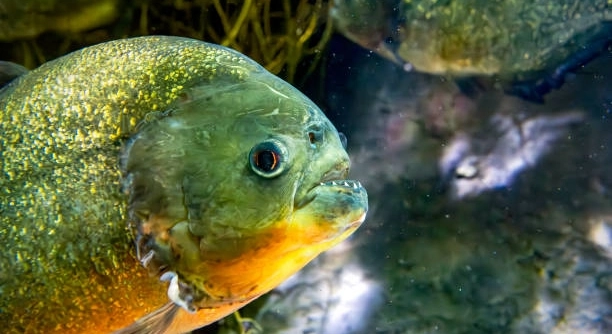
Piranhas are often seen as aggressive fish, always moving and hunting. Yet, there are moments when they show complete stillness. Observing these quiet moments reveals a different side of their behavior.
Piranhas display stillness in specific situations such as resting, hiding from predators, digesting food, during breeding, when sensing danger, conserving energy, and adapting to environmental changes. These moments are crucial for their survival and biological functions.
Recognizing these instances helps deepen understanding of piranha behavior and the balance they maintain in their natural habitats. The following details highlight key moments of their stillness.
Resting Periods
Piranhas need time to rest, especially after active hunting or swimming. During these resting periods, they remain motionless to conserve energy. Resting also helps them recover from physical exertion. In the wild, piranhas often find sheltered spots with less current to minimize effort. This stillness reduces their visibility to predators. Rest is essential for maintaining their health and readiness to react when necessary. It also aids digestion by slowing down their metabolism after a meal. Observing piranhas in captivity reveals these quiet moments, showing their need for downtime despite their aggressive reputation. Understanding their resting behavior is important for anyone studying or caring for these fish. Rest periods contribute to their survival and overall well-being.
Resting allows piranhas to conserve energy and recover, which is vital for their survival in the wild.
Piranhas’ resting stillness reflects their biological need to balance activity with recovery. By remaining still in calm waters, they reduce energy use and avoid attracting attention. This behavior is common after feeding or when the water temperature drops. Resting spots are often near plants or rocks, providing cover and safety. This quiet time supports their health by allowing digestion and muscle repair. In captivity, providing a similar environment helps maintain their natural rhythm and reduces stress. Rest periods are essential moments when piranhas appear completely still, highlighting an important aspect of their behavior beyond aggression.
Hiding from Predators
Piranhas freeze to avoid detection when predators are nearby. This stillness helps them blend into their surroundings and avoid danger.
When threatened, piranhas use stillness as a defense mechanism. By remaining motionless, they reduce the chance of being spotted by larger fish, birds, or animals hunting in the water. This behavior is particularly noticeable in environments with heavy vegetation or murky waters. The ability to stay completely still improves their survival odds by making them less visible. It also allows them to assess the threat and decide when to flee or defend themselves. In groups, some piranhas freeze while others remain alert, enhancing the safety of the school. This balance of stillness and vigilance is a natural adaptation that ensures piranhas can protect themselves effectively against predators.
Digesting Food
After a meal, piranhas become still to focus energy on digestion. Movement slows as their bodies work to break down food efficiently.
During digestion, piranhas reduce their activity to conserve energy and allow their digestive system to process nutrients effectively. This stillness helps prevent stress and injury during a vulnerable time. The digestive process can take several hours depending on the meal size and water temperature. Cooler water slows metabolism, extending the period of stillness. Observing piranhas after feeding often reveals long stretches of inactivity. This behavior is natural and important for their health. Digesting quietly also helps avoid drawing attention from predators when the fish is less alert.
This phase of stillness ensures piranhas can absorb nutrients properly, maintaining their strength and readiness for future activity. By minimizing movement, they support overall health and survival.
Breeding Behavior
Piranhas often show stillness during breeding to protect eggs and avoid disturbing the nest. This quiet behavior increases offspring survival chances.
During breeding, piranhas carefully guard their nests, remaining still to avoid drawing predators. Males typically become more stationary while protecting eggs, while females may also reduce movement to stay near the breeding site. This period of calm helps maintain stable conditions for developing embryos. Nesting locations are usually in sheltered areas with low water flow. Movement near eggs can risk damage or attract threats. This protective stillness continues until the young are ready to swim independently. Breeding-related stillness is essential for reproductive success and species continuation.
Sensing Danger
Piranhas become completely still when sensing nearby danger. This sudden stillness helps them avoid detection by predators.
Freezing in place allows piranhas to assess the threat without drawing attention. This moment of quiet is a survival tactic that increases their chances of evading harm.
Conserving Energy
Piranhas limit movement during times of scarce food or low oxygen. Stillness helps reduce energy use and supports survival.
By remaining inactive for periods, piranhas adapt to challenging conditions. Conserving energy allows them to endure until resources improve.
Adapting to Environmental Changes
When water conditions shift rapidly, piranhas may freeze to adjust. This stillness gives them time to respond safely and maintain balance in their environment.
Social Behavior
Piranhas sometimes stay still to communicate or maintain group cohesion. These moments of calm help coordinate the school and reduce conflict.
Why do piranhas sometimes stay completely still even though they are known to be active?
Piranhas stay still for several important reasons despite their reputation for constant movement. Resting helps conserve energy after periods of activity like hunting or swimming. They also remain motionless to avoid predators by blending into their surroundings. Stillness during digestion is common, allowing their bodies to focus on processing food efficiently. In breeding periods, they protect eggs by reducing movement to prevent attracting threats. Piranhas freeze when sensing danger to carefully assess the situation without revealing their location. These behaviors are natural survival strategies that balance their active hunting with necessary quiet moments.
Do piranhas rest regularly, or is stillness only occasional?
Resting is a regular part of piranha behavior. They need quiet periods daily to recover from exertion and support bodily functions such as digestion. Stillness is not just occasional but a predictable behavior during specific times. For example, after feeding, they typically become inactive for several hours. They also rest in areas of slower current to save energy. These calm phases help maintain their health and readiness to respond quickly when necessary. Although piranhas are known for aggression, their lifestyle includes essential moments of stillness.
How does stillness help piranhas avoid predators?
Stillness is a key defense mechanism. By freezing, piranhas reduce visual cues that predators rely on to detect prey. When motionless near plants or rocks, they blend better into the environment. This behavior is especially useful in murky waters or densely vegetated areas. Staying still also allows them to monitor threats without making sudden moves that might reveal their presence. In groups, coordinated stillness helps the entire school avoid detection and increases collective safety. This quiet tactic is critical for survival in habitats with many predators.
What happens when piranhas digest food? Why do they become still?
Digesting requires energy and slows metabolism. Piranhas reduce movement to allocate resources toward breaking down food effectively. This stillness minimizes stress and injury risks while the digestive system works. Cooler water can extend this period since it lowers metabolism further. Inactivity during digestion also reduces their chance of attracting predators when they are less alert. This quiet phase supports nutrient absorption, muscle recovery, and overall health, ensuring piranhas remain strong and prepared for future activity.
Do piranhas stay still during breeding for a specific reason?
Yes, stillness during breeding is crucial for protecting offspring. Piranhas guard their nests by remaining motionless near eggs to avoid drawing attention. This behavior prevents predators from discovering and damaging the nest. Males usually take the primary role in guarding, while females stay nearby. The reduced movement helps maintain stable conditions for embryos to develop safely. This calm period continues until young fish are ready to swim. Such stillness improves reproductive success and supports species survival.
Can environmental changes cause piranhas to freeze?
Rapid shifts in water temperature, oxygen levels, or currents can trigger stillness. Freezing allows piranhas to safely adjust to new conditions. This behavior prevents unnecessary energy expenditure while their bodies adapt. Sudden changes might be stressful or dangerous, so staying motionless helps maintain balance. In natural habitats, this response supports survival during variable conditions like storms or droughts. Understanding this behavior is important for those keeping piranhas in captivity, as stable environments reduce stress and promote health.
Is stillness in piranhas ever part of their social behavior?
Yes, piranhas use moments of stillness to communicate and maintain group cohesion. Remaining calm helps schools coordinate movements and reduce aggression among members. Quiet periods allow them to sense each other’s presence and intentions. This social stillness contributes to the stability and safety of the group. By balancing activity with calm, piranhas manage both hunting and protection effectively. These behaviors show that stillness is an important aspect of their interaction and survival strategies.
How long can piranhas remain still during these moments?
The duration of stillness varies depending on the reason. Resting periods can last from minutes to several hours, especially after feeding. During breeding, stillness might extend for days to protect eggs. In danger or environmental adjustment scenarios, freezing usually lasts only as long as the threat or change is present. This flexibility allows piranhas to respond quickly when needed while conserving energy during calm periods. Understanding these timeframes helps clarify their natural rhythms and behaviors.
Does stillness mean a piranha is unhealthy or stressed?
Not necessarily. Stillness is often a normal and healthy behavior. However, prolonged inactivity without apparent reason could indicate stress or illness. In captivity, lack of movement combined with other signs like loss of appetite or discoloration may require attention. Natural stillness related to resting, digestion, or protection should not be confused with health problems. Observing context and other behaviors helps determine whether stillness is normal or a concern.
What should caretakers know about piranha stillness in aquariums?
Providing environments that allow natural stillness is important. Piranhas need hiding spots, calm areas, and stable water conditions to rest and feel secure. Sudden changes or overcrowding can increase stress and reduce stillness. Feeding schedules should accommodate digestion periods with low disturbance. Understanding that stillness is part of their natural behavior helps caretakers create better habitats that support health and well-being. Recognizing when stillness is normal versus a warning sign improves care quality.
Piranhas are often seen as aggressive and constantly active fish. However, they also spend significant time being completely still. This stillness is a natural and important part of their behavior. It serves various purposes such as conserving energy, digesting food, protecting their young, and avoiding predators. Recognizing these quiet moments helps provide a more balanced understanding of how piranhas live and survive in their environment. Their stillness is not a sign of weakness but rather a necessary adaptation.
When piranhas remain motionless, they are often responding to internal or external factors. After eating, stillness supports proper digestion by allowing their bodies to focus energy on breaking down food. During breeding, being still near eggs helps guard against threats and ensures the survival of their offspring. In situations where danger is nearby, freezing helps avoid detection and increases chances of survival. Even environmental changes, such as shifts in water temperature or oxygen levels, can cause piranhas to stay still as they adjust. These behaviors show how stillness is an essential strategy for managing energy, safety, and reproduction.
Understanding the role of stillness in piranhas provides useful insight for both observing these fish in the wild and caring for them in captivity. Offering an environment that allows natural periods of rest and calm can improve their health and well-being. It is important to respect these quiet moments as a vital part of their daily routine. By doing so, we gain a clearer picture of piranhas beyond their reputation, appreciating how stillness supports their survival and overall balance in aquatic habitats.

Hello,
If you enjoy the content that we create, please consider saying a "Thank You!" by leaving a tip.
Every little bit helps us continue crafting quality advice that supports the health, happiness, and well-being of pets around the world, for pets of all shapes, sizes, and species.
We really appreciate the kindness and support that you show us!