
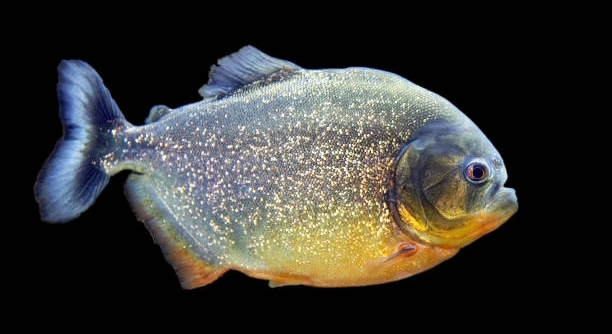
Piranhas are often seen as fierce, fast-moving fish, but there are moments when they suddenly stop and freeze. This behavior can seem surprising since they are usually active hunters. Understanding these moments gives us a clearer view of their natural habits.
Piranhas freeze in place during specific environmental and social triggers such as temperature changes, feeding times, or perceived threats. This stillness helps them conserve energy, avoid predators, or communicate within their groups efficiently.
Recognizing these moments helps us appreciate piranhas beyond their aggressive reputation and better understand their survival strategies in the wild.
When Water Temperature Drops
Piranhas are cold-blooded animals, so their body temperature depends on the water around them. When the water gets colder, their metabolism slows down, and they become less active. This slowdown often causes them to freeze in place, conserving energy. In colder water, sudden movements require more effort, so standing still is a way to save strength. This behavior is more common during early mornings or late evenings when temperatures tend to drop. It’s also a protective response; by staying still, piranhas avoid attracting unwanted attention from predators. In their natural habitat, these moments help them survive harsh conditions without wasting energy on unnecessary activity. Although they’re known for quick bursts of movement, freezing in colder water is a practical survival technique.
Freezing in cold water helps piranhas conserve energy and avoid danger until conditions improve.
Understanding how temperature affects piranhas shows how adaptable these fish are. Their ability to slow down when it’s cold allows them to maintain energy reserves for hunting or escaping threats when the water warms again. This behavior is a reminder that even fierce creatures have moments of stillness for survival.
During Feeding Times
Piranhas may freeze briefly during feeding to carefully assess the situation. In groups, sudden movement can trigger chaos, so freezing helps maintain order. When a potential meal is nearby, they stop to evaluate if it’s safe or worth the effort. This cautious behavior prevents unnecessary energy use and avoids drawing attention from larger predators attracted by feeding activity.
When feeding, piranhas pause to judge their next move before striking.
Feeding time is a delicate balance between aggression and caution. Although piranhas are known for their quick attacks, they often freeze just long enough to observe and position themselves properly. This brief stillness allows them to coordinate with others and avoid wasting energy on false starts. By freezing, they also reduce the chance of scaring prey away. This careful strategy makes their hunting more efficient and successful in the wild. It also highlights their intelligence in managing group dynamics during feeding.
When Threatened by Predators
Piranhas freeze instantly when they sense danger nearby. This sudden stillness helps them avoid detection by predators that rely on movement to locate prey. Staying motionless is a simple but effective defense strategy.
Freezing reduces the chance of being noticed by larger animals. Predators such as birds or bigger fish watch for movement in the water. By standing still, piranhas blend into their surroundings, making it harder for enemies to spot them. This behavior is especially useful when piranhas cannot escape quickly or when they are in open areas with little cover. The ability to freeze on command shows how these fish balance between aggression and caution to survive in a risky environment. It’s a quick decision that can save their lives.
The freeze response also helps piranhas prepare for a fast escape if the predator gets too close. Staying still buys them time to analyze the threat and plan their next move. This mix of patience and readiness is a smart survival tool.
During Mating Rituals
Piranhas often freeze during courtship to communicate silently. This stillness helps them signal calm and focus to potential mates. Quick movements might scare off partners or cause confusion.
Freezing is part of the delicate dance piranhas perform when pairing up. Males and females use body language that includes moments of stillness to build trust and show readiness. This behavior also reduces aggression between competing males by signaling peaceful intentions. The quiet pause gives both fish a chance to sense each other’s presence and evaluate compatibility. Mating is a critical time when energy must be conserved, and unnecessary movement could waste precious resources. The ability to hold still during these moments is an important part of their reproductive success, showing that not all piranha behavior is about hunting or defense.
Resting Between Activities
Piranhas freeze to rest and regain energy after intense activity. Staying still helps them recover without drawing attention. This pause is important for their survival.
Even short bursts of movement require a lot of energy. Freezing allows their muscles to relax and oxygen levels to stabilize. During rest, they remain alert but inactive, balancing recovery with safety.
When Sensing Changes in Water Pressure
Piranhas freeze to detect shifts in water pressure around them. This helps them identify nearby movement or threats without exposing themselves. They rely on this stillness to gather information silently.
During Social Interactions
Freezing is common when piranhas interact with each other. It signals submission or respect within the group. This behavior helps reduce conflicts and maintain social order.
When Preparing to Attack
Before striking, piranhas freeze to focus fully on their target. This moment of stillness sharpens their aim and timing for a successful attack.
Why do piranhas sometimes freeze instead of swimming?
Piranhas freeze to conserve energy and avoid attracting predators. Since they rely on quick bursts of movement to catch prey, standing still helps them save strength for when it’s most needed. This behavior also keeps them hidden by reducing visible motion in the water, which predators often detect first.
Is freezing a sign of stress in piranhas?
Freezing is not always stress-related. It can be a natural response to environmental changes like temperature shifts or social cues. While stress may cause piranhas to freeze, this behavior is mostly a survival tactic to avoid danger and conserve energy.
How long can piranhas stay frozen?
The length of time piranhas freeze varies depending on the situation. They can remain motionless for a few seconds to several minutes. Freezing only lasts as long as necessary—either until a threat passes or environmental conditions improve.
Do all piranhas freeze the same way?
Not all piranhas react identically. Different species and individual fish may freeze in slightly different ways. Some may slowly reduce movement, while others stop abruptly. However, the purpose remains consistent: conserving energy and avoiding detection.
Does freezing affect piranhas’ hunting ability?
Freezing helps piranhas by allowing them to carefully assess their surroundings before attacking. By pausing, they avoid wasting energy on false attempts and improve their chances of a successful strike. It’s a useful behavior rather than a limitation.
Can piranhas freeze underwater in captivity?
Yes, piranhas in captivity also freeze. Even in controlled environments, they respond to changes in water temperature, feeding times, or perceived threats by freezing. This shows that the behavior is instinctive rather than learned.
How do piranhas decide when to freeze?
Piranhas use their senses to judge when freezing is necessary. Changes in water temperature, pressure, or the presence of predators or other fish influence their decision. They freeze when movement might put them at risk or waste energy.
Is freezing behavior unique to piranhas?
No, freezing is common among many fish species and animals. It’s a survival tactic used to avoid detection or conserve energy. Piranhas show this behavior clearly because of their active lifestyle, but many aquatic animals rely on freezing too.
Does freezing help piranhas avoid being caught by humans?
Freezing can help piranhas avoid capture by blending into their environment and making less noise or movement. However, humans use different methods like nets or bait that may not rely on spotting movement, so freezing isn’t always effective against human capture.
What should I do if I notice my pet piranha freezing frequently?
If your pet piranha freezes often, check water conditions like temperature and quality first. Freezing can signal discomfort or stress in captivity. Ensure the tank mimics their natural habitat as closely as possible and monitor for any signs of illness or injury.
Can freezing protect piranhas during floods or water disturbances?
Yes, freezing can help piranhas during sudden water changes like floods. Staying still reduces the chance of injury and helps them avoid drawing attention when the environment becomes chaotic. It’s a way to wait out dangerous conditions safely.
How does freezing relate to piranhas’ group behavior?
In groups, freezing helps maintain social order by signaling calm or submission. When many piranhas freeze together, it reduces confusion and aggression, allowing the group to move or feed more smoothly once the stillness ends. This coordination is important for their survival.
Are juvenile piranhas more likely to freeze than adults?
Younger piranhas tend to freeze more often as a defense mechanism because they are smaller and more vulnerable to predators. Adults may rely more on speed and aggression, but freezing remains a useful tool for all ages.
Does freezing cause any harm to piranhas?
Freezing itself does not harm piranhas. It’s a natural behavior that supports survival. However, if a fish freezes due to illness or poor water conditions, the underlying cause can be harmful and should be addressed promptly.
Can freezing help piranhas survive in polluted water?
Freezing may help piranhas survive short-term exposure to pollution by reducing activity and metabolic demands. However, long-term exposure to polluted water harms them, and freezing alone cannot protect against toxins or poor water quality.
How does freezing help piranhas communicate?
Freezing can be a silent signal to others, showing non-aggression or readiness. In social groups, this stillness helps fish read each other’s intentions without the confusion of sudden movement, making it an important communication tool.
Are piranhas more likely to freeze in the wild or in captivity?
Piranhas freeze in both settings, but wild fish may do so more often due to changing environmental conditions and threats. Captive fish might freeze less if their habitat is stable but still react to sudden changes or disturbances.
Does freezing impact piranhas’ breathing?
Freezing can slow down piranhas’ breathing rate as their metabolism lowers. This reduced activity helps conserve oxygen, especially in low-oxygen environments or when they need to stay hidden longer.
Can freezing be mistaken for illness?
Yes, freezing can sometimes look like a sign of illness, especially if the fish remains motionless for long periods or shows other symptoms. It’s important to observe behavior closely and check water quality to distinguish normal freezing from health problems.
How does freezing behavior develop in piranhas?
Freezing is instinctual and develops as piranhas mature. Young fish learn to freeze quickly in response to threats. This behavior is passed down through generations as a necessary survival skill, not something they need to be taught.
Piranhas are often seen as aggressive and fast-moving fish, but their behavior is more complex than just chasing prey. One important part of how they live is freezing in place at certain times. This stillness helps them survive in different situations, whether it is to save energy, avoid danger, or communicate with others. By understanding why piranhas freeze, we get a better picture of their daily life and how they adapt to their environment.
Freezing is not a sign of weakness or illness in piranhas. Instead, it is a natural response to changes in their surroundings or social signals. For example, when the water gets colder, piranhas slow down and stay still to save energy. When they feel threatened by predators, freezing helps them avoid being seen. During feeding or mating, freezing helps them carefully observe and plan their next move. These moments of stillness are important for their safety and success as a species.
Knowing about these moments when piranhas freeze can change how we see them. They are not just fierce hunters but also smart and cautious fish that use stillness as a tool. This behavior helps them live through challenges like predators, temperature changes, and group dynamics. Recognizing the reasons behind freezing makes it easier to care for piranhas in captivity, understand their behavior in the wild, and appreciate the balance they maintain between action and rest.

Hello,
If you enjoy the content that we create, please consider saying a "Thank You!" by leaving a tip.
Every little bit helps us continue crafting quality advice that supports the health, happiness, and well-being of pets around the world, for pets of all shapes, sizes, and species.
We really appreciate the kindness and support that you show us!