
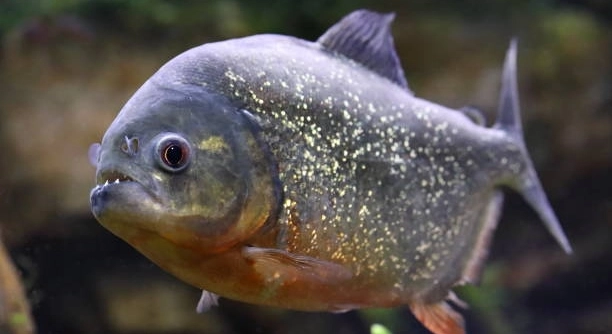
Keeping a piranha healthy and comfortable is important for any fish owner. Watching how your piranha adjusts to its environment helps ensure it thrives. This article highlights key signs that show your piranha is adapting well.
Healthy piranhas display steady eating habits, active swimming, clear eyes, and vibrant coloration. Proper behavior and physical condition indicate successful adaptation to their habitat and overall well-being. Monitoring these clues helps maintain optimal fish care.
Recognizing these signs early can prevent problems and promote a happy, thriving piranha in your aquarium. Let’s explore what to look for next.
Steady Eating Habits
One of the clearest signs your piranha is adapting well is its eating behavior. A healthy piranha will show interest in food and eat consistently without hesitation. If your fish refuses food or seems uninterested, it may be stressed or uncomfortable in its environment. Feeding at regular times helps establish a routine, which supports adaptation. Observing your piranha’s appetite allows you to catch any early signs of illness or stress. Keep in mind that sudden changes in diet or tank conditions can affect feeding habits, so try to maintain stability. A piranha that eagerly accepts food and finishes meals quickly usually indicates it feels safe and well-adjusted. Watching these patterns over days and weeks can give you confidence that your fish is settling in nicely and staying healthy.
Regular feeding routines promote comfort and signal good adaptation in your piranha.
Consistency in eating helps confirm your piranha is comfortable and well-adjusted. It also supports its overall health and growth. If appetite remains steady, it’s a strong sign your fish is adapting successfully. Maintaining proper diet and environment is key to sustaining this behavior.
Active Swimming and Exploration
An active piranha that swims around the tank with ease is showing signs of good adaptation. When your fish explores different parts of its habitat and responds to movement, it signals confidence and comfort. A lethargic or hiding piranha may indicate stress or illness. Proper water temperature, clean conditions, and adequate space encourage natural swimming behavior. Observing how your fish moves throughout the day helps assess its well-being. Piranhas are naturally curious and will investigate new objects or changes in their tank, so some activity is expected. If your piranha is swimming actively and reacting to stimuli, it means it is adjusting well to its surroundings.
Healthy swimming behavior shows your fish feels secure and unstressed.
Swimming patterns provide valuable insight into your piranha’s adaptation status. A lively fish will move with purpose and react to its environment. This behavior reflects good health and a well-maintained tank. By monitoring activity levels regularly, you ensure your piranha continues to thrive. It’s important to keep water quality high and avoid sudden changes to support this natural behavior. Active swimming also helps maintain muscle tone and overall fitness in your fish. Encouraging exploration through gentle interaction can strengthen your piranha’s confidence and make it a more engaging pet to care for.
Clear Eyes and Vibrant Coloration
Clear eyes are a sign of good health in piranhas. Cloudy or dull eyes often point to stress or illness. Vibrant colors mean your fish is comfortable and well-nourished.
Healthy piranhas maintain bright, shiny scales and sharp eye clarity. Changes in color, like fading or darkening, can indicate poor water quality or nutritional deficiencies. Regular water changes and a balanced diet help keep your piranha’s colors vivid and eyes clear. Observing these physical traits helps catch problems before they worsen. Bright colors also suggest your fish is not stressed, which is crucial for its immune system. It’s important to keep the tank clean and avoid overcrowding to support this.
Clear eyes and strong coloration are easy ways to check if your piranha is adapting properly. They reflect both environmental and physical well-being, making them useful for daily monitoring.
Responsive Behavior
A responsive piranha reacts quickly to movement and changes in its environment. Slow or absent reactions can be a sign of stress or illness. This behavior reflects comfort and alertness.
When your piranha notices your presence or tank activity, it shows that it is aware and mentally engaged. Responsiveness indicates good neurological health and proper adaptation to the tank. Fish that hide constantly or ignore stimuli may feel threatened or unwell. Encouraging gentle interaction can improve your piranha’s confidence and responsiveness. Watching how it responds to feeding time or light changes provides insight into its state. Responsive behavior means your piranha feels safe and stable in its surroundings, a key part of successful adaptation.
Comfortable Breathing
A piranha that breathes calmly and steadily is usually adapting well. Rapid or labored breathing often signals stress or poor water quality.
Observing your fish’s gill movement helps monitor its health. Smooth, regular breathing means the tank environment is suitable and oxygen levels are adequate.
Healthy Social Interaction
Piranhas that live with others and show calm, non-aggressive behavior are likely well adapted. Excessive aggression or hiding may indicate discomfort or territorial stress. Proper tank size and environment reduce these issues.
Creating a balanced group dynamic helps maintain peace. Well-adapted piranhas interact naturally without constant fighting. This balance shows they feel secure and stable in their habitat.
Consistent Growth
Regular growth is a sign your piranha is thriving. Lack of growth might suggest stress, poor diet, or health problems.
Clean and Maintained Tank Conditions
A well-maintained tank supports your piranha’s adaptation. Clean water and stable conditions reduce stress and disease risks.
FAQ
How often should I feed my piranha?
Feeding your piranha once a day is usually enough. Young piranhas may need feeding twice daily, but adults thrive on a single meal. Overfeeding can cause water quality problems, so offer only what they can finish in a few minutes. A balanced diet helps your fish stay healthy and active.
What type of food is best for piranhas?
Piranhas are carnivores and need protein-rich food. High-quality pellets made for carnivorous fish, live or frozen foods like small fish, shrimp, or worms work well. Avoid feeding too much meat from mammals or processed food. Variety supports good nutrition and vibrant coloration.
How can I tell if my piranha is stressed?
Signs of stress include hiding constantly, loss of appetite, rapid breathing, and dull colors. If your piranha acts lethargic or shows unusual behavior, check tank conditions immediately. Stress often results from poor water quality, overcrowding, or sudden changes in environment.
What water parameters do piranhas need?
Piranhas prefer water temperatures between 75°F and 80°F (24°C–27°C). The pH should be neutral to slightly acidic, around 6.5 to 7.5. Regular water testing helps maintain these levels. Keeping ammonia and nitrite at zero is crucial for their health.
How large should the tank be for a piranha?
A single piranha needs at least a 20-gallon tank, but bigger is always better. If you keep a group, plan for 10 gallons or more per fish. Proper space reduces aggression and allows natural swimming behavior. Overcrowding increases stress and health risks.
Can piranhas live with other fish?
Piranhas are aggressive and may attack smaller or slower fish. Some owners keep them with similarly sized or robust species, but this is risky. It’s safer to keep piranhas in a species-only tank or with other piranhas if the tank is large enough.
How often should I clean the tank?
Partial water changes of 20-30% weekly help maintain water quality. Clean the substrate and decorations monthly to remove debris. Avoid complete water changes to keep beneficial bacteria stable. Regular cleaning prevents buildup of harmful substances.
What are common illnesses in piranhas?
Piranhas can suffer from fin rot, ich, and bacterial infections. Poor water quality is often the cause. Watch for white spots, torn fins, or unusual swimming patterns. Early treatment with appropriate medication and improved tank conditions helps recovery.
How long do piranhas typically live?
With proper care, piranhas can live 10 to 15 years in captivity. Good diet, clean water, and a stress-free environment are key to longevity. Regular monitoring and prompt care for any health issues help extend their life.
Is it normal for piranhas to be aggressive?
Yes, piranhas are naturally territorial and may show aggression, especially during feeding or breeding. Providing enough space and hiding spots reduces fights. Avoid sudden changes that can increase aggression levels. Understanding their behavior helps manage tank dynamics better.
These answers cover the most common concerns about piranha care. Keeping a close eye on their habits and environment makes it easier to recognize when they are adapting well or need help.
Taking care of a piranha requires attention to its environment and behavior. Watching for signs like steady eating, active swimming, clear eyes, and calm breathing helps ensure your fish is adjusting well to its tank. When these clues are present, it means your piranha is comfortable, healthy, and growing in a good environment. It’s important to keep the water clean, maintain proper temperature and pH, and provide a balanced diet. These steps create a stable habitat where your piranha can thrive without stress or illness.
It’s normal for piranhas to show some aggression, but extreme behavior or hiding can be a sign of discomfort. Providing enough space and keeping tank mates carefully chosen helps reduce fights. Regular monitoring of your piranha’s health through observing its color, eyes, and activity level can alert you to potential problems early. Consistency in care routines, such as feeding and tank maintenance, supports your fish’s well-being and long life. Over time, you will become more familiar with your piranha’s unique behaviors and needs, making it easier to spot when something changes.
Ultimately, knowing how to read your piranha’s behavior and physical condition is the best way to ensure it adapts well to life in captivity. The better the care you provide, the more likely your piranha will stay healthy and active for many years. Being attentive to the details of your fish’s habits helps build a strong and lasting connection. A well-adapted piranha not only looks vibrant and behaves naturally but also contributes to a more enjoyable and rewarding fishkeeping experience.

Hello,
If you enjoy the content that we create, please consider saying a "Thank You!" by leaving a tip.
Every little bit helps us continue crafting quality advice that supports the health, happiness, and well-being of pets around the world, for pets of all shapes, sizes, and species.
We really appreciate the kindness and support that you show us!