
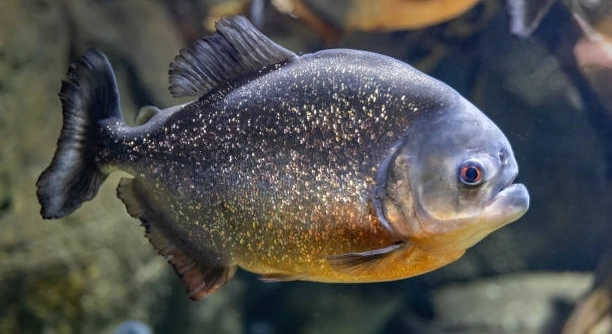
Piranhas are often seen as fierce fish, but they are also naturally curious about their surroundings. These small predators frequently explore objects they encounter in their habitat. Their behavior can tell us a lot about their instincts and environment.
Piranhas tend to investigate small objects that resemble food or unfamiliar items in their territory. Common objects include small stones, pieces of wood, plant debris, shiny items, and any floating or sinking objects that catch their attention. This behavior helps them assess potential threats and opportunities.
Understanding what attracts piranhas can help fishkeepers create a better environment for these unique creatures. Learning about their curiosity reveals more about their nature and care.
Small Stones and Pebbles
Piranhas often investigate small stones or pebbles in their environment. These objects mimic the size and shape of the fish’s natural prey or obstacles in their path. When a piranha encounters a pebble, it might nudge or bite it to understand what it is. This exploration helps the fish stay alert to changes in their surroundings, which can be important for survival. The stones also provide a tactile experience, giving piranhas sensory feedback that helps them navigate murky waters. Even if the stones are not food, the movement and feel can trigger their natural curiosity. For piranhas kept in aquariums, placing smooth stones of different colors and sizes can stimulate their natural behavior. It also adds to the tank’s decoration, making the habitat more interesting. Observing how piranhas interact with these stones can be quite revealing about their temperament and health, showing signs of activity or stress.
Small stones are safe objects that encourage piranhas to stay active and alert in their environment.
By offering pebbles in the tank, you can help maintain your piranha’s natural investigation habits. This keeps them mentally stimulated and physically engaged, preventing boredom. It’s a simple way to enrich their habitat without introducing risk. Make sure the stones are smooth to avoid injury, and clean them regularly to keep the water healthy. Watching piranhas examine these small stones gives insight into how they respond to changes in their surroundings. It’s a small step toward creating a balanced and lively environment for these fascinating fish.
Pieces of Wood
Piranhas show interest in small pieces of wood found in their environment. Wood can resemble fallen branches or plant stems that they might encounter in rivers. These objects provide a hiding place or resting spot and add texture to the habitat.
Wood pieces in a tank encourage natural behaviors like hiding or chewing. This helps piranhas feel secure and reduces stress.
Introducing pieces of driftwood or natural wood to a piranha’s habitat offers many benefits. Wood not only gives shelter but can also release beneficial tannins that improve water quality by lowering pH and softening water, which is closer to their natural environment. Piranhas often nibble on the wood, which can be a sign of curiosity or a way to wear down their teeth. It also gives them a place to explore different textures. However, it is important to choose wood that is safe and untreated to avoid harmful chemicals. Regular maintenance of wood pieces is necessary to prevent decay or algae buildup. Overall, wood enriches the habitat and supports natural behaviors that contribute to the piranhas’ wellbeing.
Shiny Objects
Piranhas are naturally drawn to shiny objects because these reflect light in the water, catching their attention. This interest often leads to investigation through biting or nudging.
The reflection from shiny objects can mimic the glint of fish scales or small prey. This visual stimulus triggers the piranha’s curiosity and feeding instincts. In an aquarium, shiny decorations or small metal pieces can provoke this behavior. However, it’s important to ensure that these objects are safe and won’t harm the fish. The bright flashes can also help reduce boredom by adding visual complexity to the tank. Careful observation shows how piranhas approach these objects cautiously at first, then more confidently as they become familiar.
Shiny objects create an engaging environment for piranhas, encouraging natural responses without stress. They add variety and can help keep piranhas active and alert.
Floating Plant Debris
Floating plant debris often attracts piranhas because it resembles food or natural cover. They inspect these small bits by nibbling or moving them around with their mouths.
Plant debris provides an opportunity for piranhas to explore textures and test the environment. It also adds organic material that can influence water quality, so keeping it clean is important. In their natural habitat, piranhas encounter leaves and other plant matter regularly, so they respond instinctively to these items. This interaction supports their sensory development and can prevent boredom in captivity. However, too much debris might create waste buildup, so balance is key to maintaining a healthy tank. Monitoring how piranhas interact with plant debris helps assess their activity levels and overall well-being.
Small Shells
Small shells attract piranhas because they resemble hard-shelled prey. The texture and shape invite the fish to explore by biting and pushing them around.
These shells provide a tactile experience that stimulates natural investigation behaviors. They also add variety to the tank environment, encouraging curiosity.
Pieces of Plastic
Pieces of plastic often end up in piranha tanks by accident. Piranhas may investigate them out of curiosity or confusion, mistaking them for natural objects or food.
Plastic is harmful if ingested, so it’s important to avoid introducing any synthetic debris into their habitat. Regular cleaning and monitoring prevent accidental ingestion. Providing safe, natural objects reduces the chance of piranhas focusing on unsafe materials. Observing their interaction with non-natural objects helps caretakers identify potential risks early.
Small Fish Toys
Small fish toys can attract piranhas due to their bright colors and unusual shapes. They often investigate these objects by biting or circling them.
Using safe, non-toxic toys made specifically for aquatic use can enrich a piranha’s environment without causing harm.
What types of small objects are safest for piranhas to investigate?
Safe objects for piranhas to explore include smooth stones, untreated pieces of wood, natural plant debris, and aquarium-safe decorations designed for fish tanks. These items are non-toxic and free from sharp edges that could injure the fish. Avoid anything made from plastic or metal unless it’s certified safe for aquarium use. Providing a variety of these natural objects helps simulate their natural habitat and encourages natural behaviors without risking their health. Regularly cleaning and inspecting these objects is important to prevent bacteria buildup or damage that might harm the piranhas.
How do small objects affect piranha behavior?
Small objects stimulate piranhas by engaging their natural curiosity and hunting instincts. When a new item appears, piranhas often investigate by biting, nudging, or circling the object. This activity helps keep them mentally and physically active, which is important for their well-being. It also reduces boredom and stress that can occur in captivity. Objects resembling prey or familiar materials like wood and stones promote natural feeding and territorial behaviors. Over time, piranhas may lose interest in certain objects, so rotating or changing items keeps their environment fresh and engaging.
Can piranhas swallow small objects?
Yes, piranhas can accidentally swallow small objects if these resemble food or if they are overly curious. This can be dangerous, especially with hard or sharp items like plastic fragments or metal pieces. To avoid health risks, it’s crucial to only introduce safe, natural, and aquarium-approved objects. Keep an eye on the fish when new items are added and remove any that show signs of damage or potential hazard. If a piranha swallows something harmful, watch for signs of distress such as lethargy, loss of appetite, or difficulty swimming, and consult a vet experienced with fish care immediately.
Why do piranhas bite or chew on objects that aren’t food?
Piranhas bite or chew on non-food objects mainly to explore and understand their environment. Their mouths are sensitive, so biting helps them gather information about texture, taste, and safety. It may also help wear down their teeth, which continuously grow. Chewing can be a way to relieve boredom or stress in captivity. Providing safe objects encourages this natural behavior without risk. Avoid sharp or toxic materials, as these can cause injury or illness. Regular observation helps ensure that chewing doesn’t lead to harm.
How often should I change or clean objects in a piranha tank?
Cleaning and changing objects every few weeks is recommended to maintain water quality and keep the tank interesting for piranhas. Organic materials like wood or plant debris may decay or grow algae, so they need more frequent attention. Stones and shells should be cleaned with aquarium-safe methods to avoid chemicals. Rotating objects helps prevent boredom and encourages ongoing exploration. Always monitor how the piranhas interact with each item and remove anything that could pose a risk or shows signs of damage.
Are there any objects piranhas should never investigate?
Piranhas should never be exposed to objects made from harmful materials such as untreated metal, painted plastics, or glass shards. These can cause injuries or introduce toxins into the water. Sharp-edged items or small parts that could be swallowed should be avoided. Objects with coatings, dyes, or chemicals not designed for aquarium use are unsafe. Always choose items specifically made for fish tanks or natural materials free from pollutants. Careful selection and regular inspection of all tank objects protect the health and safety of your piranhas.
Can introducing objects reduce aggression among piranhas?
Introducing objects can help reduce aggression by providing distractions and breaking up the territory visually. When piranhas have more things to explore and hide behind, they tend to focus less on fighting each other. Objects like wood pieces or rocks create natural barriers and resting spots. However, aggression may still occur based on tank size, number of fish, and individual temperament. Proper space, water quality, and environmental enrichment together help maintain a calmer group. Objects alone are not a complete solution but are an important part of managing behavior.
Do piranhas prefer certain colors or shapes when investigating objects?
Piranhas are often attracted to bright or reflective objects because these catch their eye more easily. Shiny surfaces or vivid colors can mimic the flash of scales from prey. However, they also show interest in natural shapes like round stones or irregular wood pieces. Preferences may vary depending on the individual fish and their environment. Offering a mix of colors and shapes encourages exploration and keeps the piranhas mentally stimulated. Avoid overly bright or artificial colors that might stress the fish or look unnatural in the tank. Observing their responses helps tailor the environment to their needs.
Piranhas are often seen as fierce and dangerous fish, but they also have a curious side. They like to investigate small objects in their environment, using their mouths and senses to learn more about what is around them. This natural curiosity helps them survive by identifying food and understanding changes in their habitat. Whether it’s small stones, pieces of wood, or shiny items, these objects catch their attention and encourage natural behaviors. Knowing what kinds of objects interest piranhas can help people who keep them create better living spaces that feel safe and engaging for the fish.
It is important to remember that not all objects are safe for piranhas to explore. Objects made from plastic, metal, or anything sharp can harm the fish if they bite or swallow them. When adding items to a piranha tank, it is best to choose smooth, natural materials like untreated wood, small stones, or clean plant debris. These safe objects provide stimulation without risking injury or illness. Changing or cleaning these items regularly also helps maintain good water quality and keeps the tank environment healthy. Watching how piranhas interact with these objects can give clues about their mood and well-being.
Understanding the small details of piranhas’ behavior, like what objects they like to investigate, helps improve their care and environment. Providing objects that encourage exploration supports their mental and physical health. It reduces boredom and stress, which are common problems in captivity. Every piranha may have different preferences, so observing their reactions is helpful for adjusting their habitat. Overall, offering a variety of safe, interesting items is a simple way to create a more natural and comfortable home for piranhas, allowing them to express their natural instincts in a healthy way.

Hello,
If you enjoy the content that we create, please consider saying a "Thank You!" by leaving a tip.
Every little bit helps us continue crafting quality advice that supports the health, happiness, and well-being of pets around the world, for pets of all shapes, sizes, and species.
We really appreciate the kindness and support that you show us!