
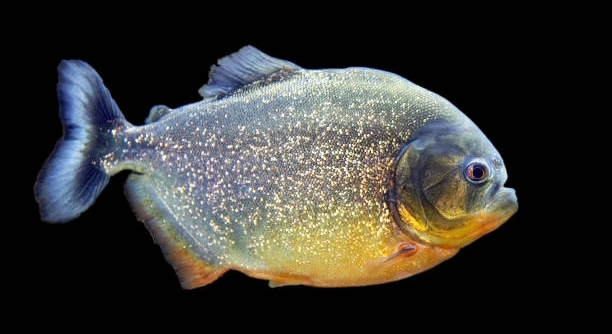
Is your piranha spending more time floating calmly or moving slowly around the tank, and you’re not sure what it means?
A relaxed piranha typically displays smooth, unhurried swimming, maintains a neutral body posture, and avoids aggressive or erratic movements. These behaviors suggest the fish feels secure in its environment and is not experiencing stress.
Knowing these signs can help you better understand your piranha’s comfort level and create a safer, more stable environment for them.
Calm Swimming and Slow Movements
When your piranha is relaxed, you’ll notice it gliding slowly through the water without any sudden movements. It won’t dart around or show signs of agitation. Instead, it swims in a steady, smooth way that seems unbothered by its surroundings. This behavior usually means it feels safe and unthreatened. Piranhas that are on edge tend to be more reactive and fast-moving. A calm fish will also avoid bumping into tank decorations or glass walls. It stays aware of its space and moves with ease. If other fish are in the tank, a relaxed piranha may keep its distance without acting territorial or aggressive. This kind of calm swimming shows that your tank environment is meeting its needs, such as proper temperature, lighting, and hiding spots. These small details can make a big difference in your piranha’s overall mood and health.
This behavior is a clear sign that your piranha feels settled in its environment.
You might also see your piranha staying still in place, gently moving its fins without going anywhere. This is normal when the tank is quiet and calm. It’s just resting or staying relaxed.
Steady Breathing and Gill Movement
Watch how its gills move. If the breathing is slow and steady, that’s a sign your piranha feels secure.
Fast or heavy breathing can be a sign of stress or discomfort. When relaxed, your piranha will have regular, slow gill movements. This means it is getting enough oxygen and isn’t feeling threatened. You may notice its gills move evenly, without any pauses or sudden changes in speed. A consistent rhythm suggests everything in the tank is stable. If the water quality is poor or the temperature is off, your piranha may breathe faster to cope. So, slow and steady gill movement often reflects good tank conditions. Be sure to check the filter, maintain the right temperature, and test water levels regularly. That way, your fish can breathe with ease and stay calm. Watching this small detail gives you helpful insight into your piranha’s comfort level. It’s one of the more reliable ways to tell if your fish is doing well.
Lack of Aggression Toward Tank Mates
When your piranha feels relaxed, it doesn’t chase or nip at other fish in the tank. It keeps to itself, showing no interest in picking fights or claiming space aggressively.
Piranhas are known for being territorial, especially in smaller tanks or stressful conditions. But when they feel calm and safe, they avoid unnecessary confrontation. They may swim near other fish without reacting or even ignore them entirely. This peaceful behavior means your piranha doesn’t feel threatened and sees no need to defend its space. It also suggests that the tank setup is helping it feel secure—plenty of hiding spots, proper tank size, and consistent feeding help reduce stress. If you see your piranha acting indifferent to nearby fish, it’s a good sign that the environment is working for them.
A piranha that coexists calmly with others is likely content. Even in a species-only tank, this peacefulness is valuable. It shows they aren’t feeling pressure or danger. Aggression often comes from discomfort or stress, so when that disappears, your fish can relax. That said, always keep an eye out for changes. If a normally peaceful piranha suddenly becomes aggressive, something in the tank may be off. Monitor their behavior daily to catch small issues early before they become problems.
Regular Feeding Behavior
A relaxed piranha eats regularly without signs of stress. It approaches food calmly and doesn’t show frantic or avoidant behavior during feeding time.
Feeding time is often a good way to judge your piranha’s mood. When relaxed, it won’t rush or panic. Instead, it waits, observes, and eats with confidence. It may take a few moments before grabbing the food, but once it starts, the feeding is steady and controlled. There’s no sudden lunging or desperate snapping. This balanced approach shows the piranha feels secure in its surroundings and doesn’t worry about competition or threats. On the other hand, a piranha that skips meals or hides during feeding may be anxious or unwell. Sticking to a feeding routine and providing the right food helps reinforce positive behavior. Watch for any shifts—if eating patterns change, it could mean something’s wrong. Calm eating is a sign of a calm mind.
Comfortable Resting Behavior
A relaxed piranha often rests near the bottom or stays still in the middle of the tank without looking tense. It holds a steady posture and doesn’t hide constantly.
You may also notice it floating in place with fins gently moving. This quiet stillness is a strong sign of calm and comfort.
No Glass Surfing or Pacing
When piranhas feel unsettled, they often swim up and down along the glass, trying to escape or seek comfort. A relaxed fish won’t do this. Instead, it stays within its territory, exploring slowly or resting. The absence of frantic pacing shows it feels safe and isn’t reacting to stressors like noise or poor water quality.
Healthy Fin Appearance
Smooth, unfrayed fins usually mean your piranha is in a good state. Torn or clamped fins can signal stress, illness, or aggression. Relaxed piranhas keep their fins open and flowing.
How can I tell if my piranha is stressed instead of relaxed?
Stress in piranhas often shows through rapid, erratic swimming or pacing along tank walls. They may hide more than usual or refuse to eat. Look for clamped fins, faded colors, or heavy breathing. These signs differ from relaxed behaviors, which are calm, steady, and controlled. Stress can come from poor water quality, overcrowding, sudden changes in environment, or improper feeding. Keeping the tank clean and stable helps reduce stress and encourages relaxed behavior.
What environment helps keep a piranha relaxed?
A stable environment with clean water, proper temperature (about 75-80°F), and enough space to swim freely is key. Include hiding spots like plants or decorations to help your piranha feel secure. Avoid sudden changes in light or noise, as piranhas can get startled easily. Feeding a balanced diet on a consistent schedule also promotes calmness.
Is it normal for piranhas to be inactive sometimes?
Yes, piranhas often rest quietly, especially during the day. This inactivity is part of their natural behavior when they feel safe. If your fish remains still but shows normal breathing and healthy fins, it’s likely just relaxing. Inactivity combined with other worrying signs like loss of appetite or faded color may indicate illness.
Can piranhas live peacefully with other fish?
Piranhas are naturally aggressive and territorial, so mixing them with other species is risky. However, when relaxed and well cared for, some piranhas tolerate tank mates if there’s enough space and hiding spots. It’s important to monitor interactions closely. Aggressive behavior often means the piranha is stressed or uncomfortable.
How often should I feed my piranha to keep it relaxed?
Feed adult piranhas once every day or every other day, offering only what they can eat in a few minutes. Overfeeding can lead to poor water quality, which causes stress. A regular feeding schedule helps your piranha feel secure and reduces aggressive competition for food.
What signs mean I should test my tank water?
If your piranha swims erratically, breathes rapidly, hides excessively, or stops eating, testing water parameters is a good first step. High ammonia, nitrite, or nitrate levels can stress your fish. Maintaining proper pH and temperature is also important. Regular testing helps prevent problems before they affect your piranha’s behavior.
Can handling or tapping the tank stress my piranha?
Yes, frequent tapping or handling can scare and stress your piranha. They prefer calm, quiet environments without sudden disturbances. Try to avoid banging on the tank glass or making loud noises near the aquarium. This helps maintain a peaceful space where your fish can stay relaxed.
How long does it take for a piranha to settle into a new tank?
It usually takes several days to a few weeks for a piranha to fully relax in a new tank. During this time, they may hide more or swim cautiously. Providing plenty of hiding spots and keeping conditions stable helps speed up the adjustment period. Patience is key for a happy piranha.
Can changes in lighting affect my piranha’s behavior?
Yes, sudden bright lights or constant lighting can stress piranhas. They prefer dimmer environments with a clear day-night cycle. Using adjustable lighting or covering part of the tank can help your fish feel more secure and relaxed.
What should I do if my piranha shows aggressive behavior suddenly?
Sudden aggression often signals stress or discomfort. Check water quality, temperature, and tank mates. Make sure the tank is not overcrowded and provide hiding spots. Reducing disturbances around the tank and sticking to a feeding routine can calm your piranha. If aggression continues, it may be a health issue and a vet check could help.
When it comes to caring for your piranha, understanding its behavior is very important. Recognizing the signs that show your fish is relaxed can help you make sure it is healthy and happy. A calm piranha usually swims slowly, breathes evenly, and avoids aggressive actions. These behaviors mean your piranha feels safe in its tank and is comfortable with its surroundings. Paying attention to these details allows you to provide better care and create a stable environment. It also helps you notice if something is wrong early on, so you can act quickly to improve your fish’s well-being.
Creating the right environment plays a big role in keeping your piranha relaxed. Clean water, proper temperature, and enough space for swimming are essential. Including hiding spots like plants or decorations can help your piranha feel secure. Avoiding loud noises or sudden changes near the tank will also reduce stress. Feeding your fish a balanced diet on a regular schedule is important too. When all these factors come together, your piranha is more likely to stay calm and healthy. The more you observe and respond to its needs, the better your fish’s quality of life will be.
It’s normal for piranhas to have quiet times where they rest and move little, as long as they show no signs of illness or stress. Remember, each piranha is unique and may show relaxed behavior in different ways. If you see your fish swimming calmly, resting peacefully, and eating regularly, these are good signs. Keep monitoring its behavior over time to make sure it remains relaxed. By providing consistent care and a stable environment, you will help your piranha live a healthy, less stressful life. This attention makes the experience of keeping piranhas more rewarding and enjoyable.

Hello,
If you enjoy the content that we create, please consider saying a "Thank You!" by leaving a tip.
Every little bit helps us continue crafting quality advice that supports the health, happiness, and well-being of pets around the world, for pets of all shapes, sizes, and species.
We really appreciate the kindness and support that you show us!