
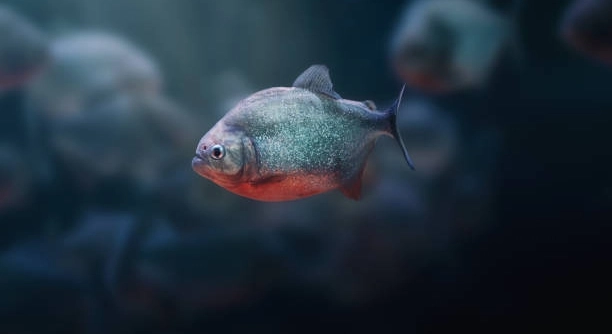
Many people find piranhas fascinating because of their sharp teeth and fast movements. These fish live in rivers where they hunt for food quickly. Sometimes, unusual objects can catch their attention and distract them from hunting.
Piranhas can be distracted by objects that reflect light, vibrate, or resemble prey. Items like shiny metals, colorful plastics, and moving debris often divert their focus. These distractions impact their usual aggressive feeding behavior temporarily.
Learning about what distracts piranhas helps us better understand their behavior. This knowledge is useful for both safety and studying these unique fish in their natural habitat.
Shiny Objects That Catch Piranhas’ Eyes
Piranhas are often drawn to shiny things in the water. This attraction is likely because their natural prey sometimes glints when it moves. Objects like metal scraps, fishing gear, or even glass beads can reflect sunlight underwater and grab their attention. When these objects catch light and sparkle, piranhas may mistake them for food or become curious enough to investigate. This distraction can last a few minutes, giving a chance for nearby creatures to escape or for researchers to observe piranhas more closely. In rivers where people fish, shiny tackle and lures can sometimes cause piranhas to focus on the gear instead of other prey. This response shows that piranhas use their vision actively to find food and react to sudden changes in their environment.
Shiny objects create a visual disturbance that piranhas cannot ignore. Their eyes are very sensitive to light changes.
Understanding this can help when fishing or studying piranhas in their habitat, making interactions safer and more controlled.
Floating Debris as a Distraction
Floating debris like leaves, plastic bags, or small sticks often catches piranhas’ attention. In moving water, these objects drift around unpredictably, triggering the fish’s hunting instincts. Piranhas are curious and may swim toward the floating debris to check if it’s food or a threat. Sometimes, the movement alone is enough to draw them away from their usual prey. This behavior can be useful for people trying to keep piranhas away or distract them during observations. It also explains why piranhas often appear near trash or natural debris in the water. Since piranhas rely on movement to spot prey, anything that moves erratically can temporarily confuse or distract them, reducing their focus on actual targets nearby. Being aware of this can improve safety and help manage piranha activity in rivers and lakes.
Vibrations That Distract Piranhas
Piranhas respond strongly to vibrations in the water. Sudden movements or noises can draw their attention away from other activities.
Vibrations mimic the signals prey make when moving through water. Piranhas detect these through sensory organs along their bodies. Objects like splashing sticks or swimming animals create ripples that trigger this response. When the water vibrates, piranhas become alert and focus on the source, sometimes forgetting about other food nearby. This distraction can be useful for avoiding their attacks or studying their behavior without causing harm.
This sensitivity to vibrations explains why piranhas react quickly to disturbances. It also shows how careful one must be near their habitat to avoid attracting unwanted attention.
Colorful Items That Divert Piranhas
Bright colors, especially reds and yellows, attract piranhas’ attention. These colors often resemble wounded prey or fruits found in their environment, making them stand out.
Colorful objects like plastic wrappers or painted equipment can confuse piranhas. The fish may swim toward these items, investigating them as potential food sources. This behavior demonstrates how color influences their hunting instincts. Bright colors can hold a piranha’s interest for several minutes, interrupting their usual feeding patterns. Understanding this helps people reduce risks when near piranha habitats by avoiding flashy gear or clothes.
In some studies, colored lures have been used to successfully distract or capture piranhas, showing how important color is in their sensory perception. This knowledge also helps explain why piranhas sometimes attack unusual objects instead of real prey.
Reflections That Confuse Piranhas
Reflections on water surfaces or shiny objects can confuse piranhas. They may mistake reflections for movements or other fish.
This confusion causes piranhas to investigate or attack the reflection instead of real prey. Reflections can act like a temporary distraction, reducing their hunting focus.
Sudden Movements in the Water
Quick motions, such as a splash or a fish darting by, catch piranhas’ attention immediately. They are wired to react fast to sudden changes.
These sudden movements trigger a hunting response, causing piranhas to pause and focus on the new motion. It can divert their attention away from other nearby food or activity.
Unusual Shapes That Attract
Objects with strange or unfamiliar shapes can attract piranhas. Their curiosity makes them investigate shapes that do not look like typical prey.
Piranhas rely on recognizing shapes to identify food. When they see something odd, they become interested, which may pull them away from their usual feeding behavior. This reaction can be used to distract them temporarily.
FAQ
What objects most commonly distract piranhas?
Piranhas are most often distracted by shiny or reflective items, like metal scraps or fishing gear. Brightly colored plastics and objects that create vibrations or sudden movements in the water also grab their attention. Floating debris such as leaves or sticks can divert their focus too. These objects stand out in their environment and trigger their natural curiosity or hunting instincts.
How do shiny objects affect piranhas’ behavior?
Shiny objects reflect light, which piranhas interpret as movement or prey. This causes them to investigate or attack the object, distracting them from other food sources. The reflection confuses their vision, making them focus on the sparkle instead of nearby animals. This reaction is brief but strong, showing how sensitive piranhas are to light changes in their environment.
Are vibrations really effective at distracting piranhas?
Yes, vibrations in the water strongly affect piranhas. They use sensory organs to detect ripples and movement. When something splashes or moves nearby, the vibrations grab their attention immediately. This can pull them away from other prey or cause them to pause their hunting, making vibrations a useful way to distract or observe these fish safely.
Do piranhas respond to colors?
Piranhas do react to certain colors, especially bright reds and yellows. These colors often resemble injured prey or fruit, which naturally interests them. Colorful objects can distract piranhas by catching their eye and making them curious. This effect can last for several minutes and interrupts their usual feeding patterns.
Can reflections on water surfaces confuse piranhas?
Reflections can confuse piranhas because they look like movement or other fish. When sunlight or shiny objects create reflections on the water, piranhas may swim toward them or attack the reflection. This causes temporary distraction and lowers their focus on real prey.
How do sudden movements affect piranhas?
Piranhas are highly sensitive to sudden movements in the water. Quick splashes or fast-moving animals catch their attention immediately. This response helps them catch prey but can also distract them from other activities. Sudden movements often make piranhas pause and check what caused the disturbance.
Why do unusual shapes attract piranhas?
Unfamiliar shapes in the water pique piranhas’ curiosity because they don’t fit the usual profile of prey. This makes them investigate the object to see if it is food or a threat. The interest in odd shapes can cause piranhas to focus on something strange instead of their typical hunting targets.
Can these distractions help protect swimmers or fishermen?
Yes, understanding what distracts piranhas can help people stay safer. For example, using shiny or colorful objects away from swimmers may draw piranhas’ attention elsewhere. Knowing that vibrations or sudden movements attract piranhas also helps avoid provoking them unintentionally. These distractions give people a better chance to avoid aggressive encounters.
Are these distraction methods reliable in all piranha habitats?
Distraction effectiveness can vary depending on the environment and species of piranha. Factors like water clarity, light, and local prey availability influence how well an object distracts them. However, shiny items, vibrations, and colors are generally effective in many habitats. Using these methods carefully improves safety and observation opportunities across different locations.
Can these distractions be used to catch piranhas?
Yes, fishermen sometimes use bright lures or shiny tackle to attract piranhas for capture. The colors and reflections mimic prey signals, drawing the fish close. Vibrations from moving lures also help trigger piranhas’ hunting instincts. These tactics show how knowledge of their distractions can be applied practically in fishing.
Is it safe to use these distractions around piranhas?
Using distractions can be safe if done carefully. Avoid sudden movements or objects that might provoke aggression. Shiny or colorful items can divert attention, but it’s important not to get too close or disturb the fish excessively. Observing piranhas with gentle distractions helps maintain a safe distance and prevents harm to both humans and fish.
What should I avoid if I want to stay unnoticed by piranhas?
To stay unnoticed, avoid wearing bright colors or shiny jewelry near piranha habitats. Minimize splashing or sudden movements in the water. Also, try not to carry reflective objects that might catch sunlight. Staying calm and moving slowly reduces the chance of attracting piranhas’ attention and keeps encounters peaceful.
How long do these distractions typically work on piranhas?
Distractions usually last only a few minutes. Piranhas quickly lose interest once they realize the object isn’t food or a threat. However, during that brief period, their usual hunting behavior is interrupted. This short window can be enough to move safely or observe them without disturbance. The temporary nature of distractions means they work best when used thoughtfully.
Piranhas are often seen as fierce and dangerous fish, but understanding what distracts them can help us interact with them more safely. Many unusual objects like shiny metals, colorful plastics, or floating debris can catch their attention and pull them away from their usual behavior. These distractions work because piranhas rely heavily on sight, movement, and vibrations to hunt. When something unexpected appears in their environment, their curiosity or hunting instincts kick in, causing them to investigate the object instead of focusing on other prey. This knowledge is important for people who spend time near piranha habitats, such as fishermen, researchers, or locals, because it helps reduce the chance of unwanted encounters.
The way piranhas respond to distractions shows just how sensitive and alert they are to changes around them. They react quickly to light reflections, sudden movements, or vibrations in the water. Bright colors or unusual shapes also draw their interest. While this might sound dangerous, it actually gives us ways to protect ourselves or observe piranhas without stressing them out. For example, using shiny or colorful items far from swimmers can divert piranhas’ attention, helping keep people safe. Researchers can also use these distractions to study piranha behavior without causing harm or disturbing their natural patterns too much. Understanding these details about piranhas can lead to better safety measures and more respectful ways to live near their environments.
It is also helpful to remember that these distractions do not work all the time or in every situation. Different species of piranhas and various environments may change how they react to certain objects. Water clarity, light conditions, and food availability all play roles in their responses. Distractions usually only last a short time because piranhas quickly learn whether something is real food or not. Still, these brief moments are enough to influence their behavior in important ways. By being aware of what attracts or distracts piranhas, we can better prepare for interactions and reduce risks. This helps ensure safety for both people and the fish, allowing us to appreciate these unique creatures without unnecessary fear.

Hello,
If you enjoy the content that we create, please consider saying a "Thank You!" by leaving a tip.
Every little bit helps us continue crafting quality advice that supports the health, happiness, and well-being of pets around the world, for pets of all shapes, sizes, and species.
We really appreciate the kindness and support that you show us!