
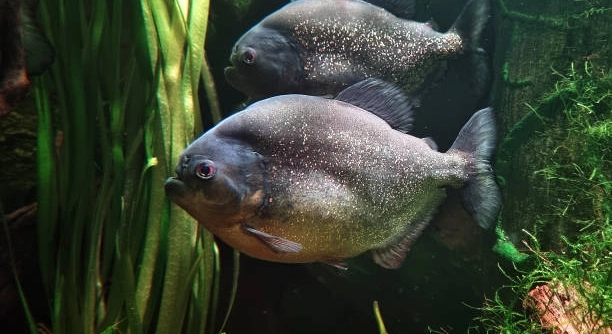
Many people find piranhas fascinating yet fearsome fish known for their sharp teeth and quick movements. These creatures react strongly to certain sounds in their environment. Understanding which frequencies agitate them can help manage their behavior safely.
Research shows that specific sound frequencies, particularly those between 200 and 800 Hz, tend to provoke increased aggression and agitation in piranhas. These sounds likely mimic threats or disturbances in their natural habitat, triggering defensive responses.
Knowing these frequencies can improve safety and care when interacting with piranhas. It also provides insight into their behavior in both wild and controlled environments.
Understanding Low Frequencies and Their Effect on Piranhas
Low-frequency sounds, typically under 300 Hz, can create a sense of unease in piranhas. These deep vibrations resemble the movement of larger animals or disturbances in water, which piranhas perceive as potential threats. When exposed to these frequencies, their behavior shifts quickly from calm to alert, often resulting in aggressive displays or frantic swimming. This reaction is a survival mechanism, helping them prepare for any danger. For people working near or with piranhas, recognizing these low sounds is important. Even noises from distant machinery or boats can trigger agitation. The underwater environment transmits these frequencies efficiently, so subtle vibrations matter. Controlling sound exposure helps maintain safer interactions and reduces stress for the fish.
Piranhas’ sensitivity to low frequencies is a key factor in their reactive nature. Managing this helps in avoiding unwanted aggression.
Understanding how these low sounds influence piranha behavior allows for better care and safer observation practices in their habitats.
Mid-Range Frequencies and Piranha Response
Mid-range frequencies between 300 Hz and 600 Hz often cause the strongest reactions in piranhas. These sounds closely mimic natural threats or competing fish noises, making piranhas highly sensitive to them.
Piranhas respond vigorously to these mid-range frequencies because they resemble signals used in communication and territorial disputes. These sounds grab their attention and often provoke aggressive behavior. Unlike low frequencies, which might cause general alertness, mid-range sounds can trigger direct confrontations. This is important in both natural settings and captivity, where these frequencies may come from equipment or human activity. By reducing exposure to such sounds, stress and risk of attacks decrease. Knowing this helps people design quieter environments or use sound as a way to safely influence piranha movements. This knowledge also highlights how piranhas rely on sound cues for survival and social interaction. It emphasizes the role of sound in managing their behavior effectively.
High Frequencies and Piranha Behavior
High-frequency sounds above 600 Hz can irritate piranhas but usually don’t cause strong aggression. These sharp noises may confuse them or cause stress over time.
Piranhas tend to be less reactive to high frequencies compared to low and mid-range sounds. However, continuous exposure to sharp, high-pitched noises can lead to discomfort and erratic movements. This is because such sounds can interfere with their ability to focus on natural cues in the water. In captivity, loud equipment or sudden noises might create stress, impacting their health and behavior. Managing these sounds by lowering volume or using quieter devices can improve their well-being.
Although high frequencies don’t trigger strong attacks, they still affect piranhas’ mood. Over time, exposure to these sounds might reduce their activity or cause them to hide more often, making it important to maintain a calm environment.
Using Sound Frequencies to Influence Piranha Movement
Certain sound frequencies can be used intentionally to guide piranhas without causing harm. This technique helps keep them calm or move them away from areas where people are present.
By playing low to mid-range frequencies in controlled ways, handlers can gently encourage piranhas to change location. These sounds mimic natural signals, making the fish react predictably. This method is especially useful in large tanks or research settings where direct handling is risky. It avoids physical stress while still allowing control over the fish’s position. Adjusting volume and frequency carefully ensures the piranhas respond without becoming overly agitated.
This approach shows how sound is a practical tool in managing piranha behavior. Understanding which frequencies to use makes it easier to create a safer environment for both fish and humans.
Environmental Sounds and Piranha Sensitivity
Natural water sounds, like flowing currents or splashing, produce a range of frequencies that piranhas can detect. These sounds usually keep them alert but calm.
Sudden changes in these environmental noises often trigger agitation. Piranhas are sensitive to unexpected shifts, which they interpret as potential threats or prey nearby.
Human-Made Noises and Their Impact
Sounds from boats, motors, and underwater equipment generate frequencies that can disturb piranhas. These noises often overlap with the mid to low-frequency ranges that piranhas react to strongly. Continuous exposure to such sounds may lead to increased stress and aggressive behavior. Managing human-made noise levels near piranha habitats is crucial to avoid unnecessary agitation and ensure their well-being.
Vibrations and Piranha Responses
Piranhas also respond to water vibrations caused by sound waves. These vibrations can signal movement or danger, increasing their alertness and sometimes causing aggressive reactions.
What sound frequencies are most likely to agitate piranhas?
Piranhas are most sensitive to sounds in the low to mid-frequency range, roughly between 200 and 600 Hz. These frequencies often mimic natural threats or rival fish in their environment. Low frequencies, under 300 Hz, create deep vibrations similar to large predators or movements in water, causing them to become alert or aggressive. Mid-range frequencies, especially around 300 to 600 Hz, provoke stronger reactions because they resemble social or territorial signals among fish. High frequencies above 600 Hz are less likely to cause aggression but can still cause stress if loud or constant.
How do piranhas detect these frequencies underwater?
Piranhas detect sound primarily through their lateral line system, a set of sensory organs running along their sides. This system picks up vibrations and pressure changes in the water. The lateral line helps piranhas locate prey, sense danger, and communicate with other fish. Because water is an excellent conductor of sound, even faint noises can travel far, making piranhas highly responsive to environmental sounds. The sensitivity of this system explains why certain frequencies quickly provoke behavioral changes.
Can these frequencies be used to control piranha behavior safely?
Yes, certain sound frequencies can be used to influence piranha movements without causing harm. Low to mid-range frequencies can encourage them to move away from areas where people or equipment are present. This method is useful in tanks or controlled environments to reduce stress from direct handling. The key is to keep the volume moderate and avoid long exposure, which can lead to stress or exhaustion. Using sound as a gentle guide requires careful control but is effective for managing their behavior safely.
Do all piranhas respond the same way to these frequencies?
Responses can vary depending on the species, size, and environment of the piranha. Some species might be more aggressive or sensitive to certain sounds than others. Younger or smaller piranhas might react differently compared to larger adults. Environmental factors like water temperature, clarity, and habitat complexity also affect how sound is transmitted and perceived. Individual temperament plays a role too, so while many piranhas share similar sensitivities, not all react identically to the same frequencies.
What effects do high-frequency sounds have on piranhas?
High-frequency sounds above 600 Hz generally cause less aggression but can irritate or confuse piranhas. These sharp noises may interfere with their natural ability to detect meaningful sounds in the water. Prolonged exposure to loud high-frequency noises might stress the fish and reduce their activity or cause them to hide more often. In captive settings, reducing such noises can help improve their comfort and overall health.
Are human activities affecting piranhas through sound pollution?
Yes, human-made noises like boat engines, underwater equipment, and construction generate sounds that overlap with the frequencies piranhas react to most. This noise pollution can stress piranhas, cause agitation, and disrupt their normal behaviors like feeding or breeding. In areas with heavy boat traffic or industrial activity, piranhas may become more aggressive or retreat to quieter zones. Controlling noise levels near their habitats is important for their well-being and to maintain ecological balance.
Can sound frequencies warn piranhas of danger?
Absolutely. In nature, certain low and mid-range frequencies serve as warning signals to piranhas, indicating predators or rival fish nearby. When they hear these sounds, they become alert and prepare to defend themselves or flee. This response is an essential survival mechanism. Sounds like splashing, thrashing, or sudden vibrations can all trigger these warnings, helping piranhas stay aware of their surroundings.
How can piranha handlers minimize stress caused by sound?
Handlers can reduce stress by keeping noise levels low and avoiding sudden or loud sounds near piranhas. Using quieter equipment and controlling exposure to mid-range frequencies helps prevent agitation. Maintaining a calm environment with stable sound patterns lets piranhas feel safer. Gradual changes in sound are better tolerated than abrupt noises. Understanding their sensitivity to specific frequencies allows handlers to design better care routines and safer habitats.
Do vibrations from sounds affect piranha aggression?
Yes, vibrations caused by sound waves in the water alert piranhas to nearby movement or danger. These vibrations stimulate their lateral line system, increasing alertness and sometimes causing aggressive displays. Vibrations can come from swimming prey, predators, or environmental disturbances. The intensity and frequency of vibrations determine how strongly piranhas react, with certain patterns provoking more aggression than others.
Is it possible to train piranhas using sound frequencies?
While piranhas cannot be trained like some animals, sound frequencies can condition their behavior to some extent. Repeated exposure to certain sounds associated with feeding or movement can create predictable reactions. For example, playing a specific frequency before feeding may cause piranhas to gather or become less aggressive. This is more about conditioning than true training, but it can help handlers manage piranhas more easily in captivity. Consistency and control over sound exposure are key for this effect.
Understanding how sound frequencies affect piranhas is important for anyone who works with or studies these fish. Different ranges of sound can cause different reactions in piranhas, from calm alertness to strong aggression. Low and mid-range frequencies tend to agitate them the most, while high frequencies usually cause less direct aggression but can still stress the fish if too loud or constant. Being aware of these responses helps create safer environments and better care for piranhas, whether in the wild or captivity. It also helps prevent accidents and reduces unnecessary stress for the fish.
Managing sound exposure around piranhas can be a useful way to influence their behavior without physical contact. Using low to mid-range frequencies in controlled ways allows handlers to gently guide piranhas’ movement or keep them calm. This is especially valuable in settings like research tanks or aquariums where handling can be risky. Keeping noises consistent and avoiding sudden, loud sounds reduces their agitation and supports healthier behavior. At the same time, it’s important to limit exposure to human-made noise pollution in natural habitats, as it can cause long-term stress and disrupt their natural routines.
Overall, knowing which sound frequencies affect piranhas and how they respond offers practical benefits. It improves safety for people around these fish and helps maintain the health of the piranhas themselves. Sound is a powerful tool in managing behavior, but it must be used thoughtfully to avoid causing harm. Continued research and awareness will help us better understand piranha behavior and how to live alongside them more peacefully. Respecting their sensitivity to sound is a key part of caring for these fascinating fish.

Hello,
If you enjoy the content that we create, please consider saying a "Thank You!" by leaving a tip.
Every little bit helps us continue crafting quality advice that supports the health, happiness, and well-being of pets around the world, for pets of all shapes, sizes, and species.
We really appreciate the kindness and support that you show us!