
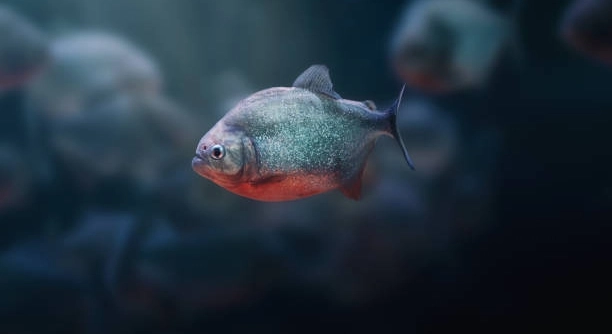
Caring for piranhas requires attention to several important moments that can affect their health and behavior. Watching these key times closely helps ensure your fish stay strong and comfortable in their environment. Understanding these moments is essential for any piranha owner.
Monitoring piranhas at critical times such as feeding, water changes, tank maintenance, and signs of illness allows for early detection of problems. These moments provide valuable insights into their wellbeing and help maintain a stable habitat.
Knowing when to watch your piranhas closely can make all the difference in their care. These key moments offer practical guidance to keep your aquatic pets thriving and healthy.
Feeding Time Observations
Feeding time is one of the most important moments to watch your piranhas closely. Their behavior during feeding reveals a lot about their health. Healthy piranhas are usually active and competitive when food is introduced. If they suddenly lose interest or become lethargic, it may signal illness or stress. The type and amount of food you give also affect their well-being. Overfeeding can pollute the water, while underfeeding weakens them. Observing how they eat can help you adjust feeding amounts to maintain a clean and balanced tank. Consistency in feeding schedules is also beneficial because piranhas get used to routines and are less likely to become stressed. Monitoring feeding time carefully can prevent many problems before they become serious.
Watch for sudden changes in appetite or behavior during feeding sessions, as these can indicate health issues.
Noticing these changes early on helps you take prompt action. If piranhas refuse food or show aggression beyond normal levels, it might be time to check water quality or seek advice. Feeding is not just about nutrition but also about observing signs that reflect their overall condition.
Water Change and Tank Maintenance
Regular water changes are critical for piranha health. Clean water removes toxins and keeps the tank environment stable. During water changes, observe how piranhas react. Stress from sudden changes can make them hide or act nervously. It’s important to change water slowly and in small amounts to avoid shocking them. Using a water conditioner helps neutralize harmful chemicals like chlorine. Tank cleaning, including removing debris and checking filters, supports water quality. Consistency in maintenance routines builds a safe habitat and reduces illness risk. Monitoring water parameters such as temperature, pH, and ammonia levels during maintenance ensures your piranhas live comfortably. Keeping a maintenance schedule also prevents neglect and keeps the tank healthy.
Taking time during maintenance to watch your piranhas helps you notice subtle signs of discomfort or stress that might otherwise be missed.
Good tank care is essential for the long-term health of your piranhas. Clean water and proper filtration reduce disease risk and create a pleasant environment. Observing piranhas during maintenance also helps you catch any injuries or unusual marks on their bodies early. A well-maintained tank supports their natural behavior and improves their lifespan. Paying attention to these moments helps maintain a balance between the fish and their surroundings, making care simpler and more effective.
Signs of Illness
Illness in piranhas can show up quickly and needs immediate attention. Watch for changes in color, clamped fins, or unusual swimming patterns.
Many diseases cause visible signs like white spots, sores, or swollen bellies. Lethargy or refusal to eat can also indicate sickness. Early detection helps prevent the spread of illness and increases chances for recovery. Quarantining sick fish is often necessary to protect the rest of the tank. Keep a close eye on water quality, as poor conditions often trigger health problems. Regular observation during daily care helps catch issues before they worsen.
Treating illness depends on the symptoms and can range from water adjustments to medication. Consistency in tank care combined with quick response to signs of disease supports healthy piranhas and reduces stress.
Behavioral Changes
Piranhas may suddenly act differently due to environmental or health reasons. These changes should not be ignored as they often signal a problem.
Increased aggression or hiding more than usual can reflect discomfort or stress. Changes in swimming speed or erratic movement might mean the tank conditions need adjustment. Sometimes, behavioral changes occur during breeding periods, which is normal but should still be monitored. Tracking these shifts regularly helps identify underlying causes early. Adjusting water temperature, feeding habits, or tank layout can often restore normal behavior.
Being aware of these subtle signs improves your ability to maintain a stable environment. Addressing behavioral issues quickly ensures piranhas stay active and healthy, avoiding unnecessary risks from prolonged stress.
Tank Temperature Monitoring
Maintaining the right temperature is essential for piranhas’ health. Sudden changes can cause stress and weaken their immune system.
Ideal temperature ranges from 75°F to 82°F. Use a reliable heater and thermometer to keep conditions stable.
Observing Social Interactions
Piranhas are social but can be aggressive toward each other. Watching their interactions helps prevent injuries.
Aggressive behavior like chasing or biting should be monitored closely. If fighting becomes severe, separating the fish may be necessary.
Stress Indicators
Stress can come from poor water quality, overcrowding, or sudden changes. Watch for hiding, loss of appetite, or rapid breathing.
Recognizing stress signs early lets you take action to improve their environment and prevent illness.
FAQ
How often should I feed my piranhas?
Feeding your piranhas once or twice a day is usually enough. Young piranhas may need more frequent feedings, while adults do well with less. Avoid overfeeding, as leftover food pollutes the water and can harm their health. Feeding small amounts that they can finish quickly is best.
What is the ideal tank size for piranhas?
A tank of at least 40 gallons is recommended for a small group of piranhas. They need enough space to swim freely and establish territories. Overcrowding can lead to stress and increased aggression, so providing sufficient space is crucial.
How do I know if my piranhas are healthy?
Healthy piranhas are active, have bright colors, and eat regularly. Their fins should be open and not clamped against their bodies. Watch for clear eyes and smooth scales without spots or injuries. Any sudden change in behavior or appearance could mean illness.
Can piranhas live with other fish?
Piranhas are aggressive and often do not get along with other fish species. Keeping them with smaller or slower fish can result in attacks. If you want a community tank, choose tank mates carefully and ensure the tank is large enough to reduce conflict.
How often should I change the water in the tank?
Changing 20-25% of the water weekly is a good rule. This helps keep the water clean and removes toxins. Always treat tap water with a conditioner before adding it to the tank. Regular water changes reduce stress and maintain a healthy environment.
What temperature should I keep the tank?
Keep the tank temperature between 75°F and 82°F. Sudden drops or spikes can stress piranhas and lead to illness. Using a heater with a thermostat will keep the temperature steady. Always check it regularly to ensure stability.
What should I do if my piranha looks sick?
If you notice signs like loss of appetite, spots, or unusual swimming, check water quality first. Poor water conditions are often the cause. Isolate the sick fish in a separate tank if possible, and consider consulting a vet or aquarium expert for treatment advice.
How can I reduce aggression among piranhas?
Providing plenty of space and hiding spots helps reduce aggression. Avoid overcrowding and keep an eye on fights. If some fish are very aggressive, separating them may be necessary. Consistent feeding and a stable environment also lower stress and fighting.
What types of food are best for piranhas?
Piranhas are carnivorous and need a diet rich in protein. Feed them fresh or frozen fish, shrimp, insects, and specially made carnivore pellets. Avoid feeding them fatty or processed foods. A varied diet supports good health and vibrant colors.
Is it necessary to quarantine new piranhas?
Yes, quarantining new fish before adding them to the main tank prevents spreading diseases. Keep new piranhas in a separate tank for at least two weeks and watch for signs of illness. This step protects your existing fish and maintains tank health.
How do I clean the tank without stressing my piranhas?
Clean the tank slowly and gently. Avoid large water changes at once, and keep the temperature and water conditions consistent. Use a siphon to remove debris without disturbing the fish too much. Performing maintenance regularly keeps stress low and tank conditions stable.
Can piranhas survive without plants in the tank?
While piranhas do not require live plants, adding hardy plants can improve water quality and offer hiding places. Some piranhas may nibble on plants, so choose durable species or use artificial plants. Plants create a more natural environment and help reduce stress.
How do I tell if the water quality is good?
Test water regularly for ammonia, nitrite, nitrate, pH, and temperature. Ammonia and nitrite should always be zero. Nitrate should stay low, ideally below 20 ppm. pH for piranhas usually ranges from 6.5 to 7.5. Keeping these levels balanced ensures a healthy habitat.
What are common signs of stress in piranhas?
Stress signs include hiding more than usual, loss of appetite, rapid breathing, or erratic swimming. Stress can weaken their immune system, making them more vulnerable to disease. Identifying and fixing the cause quickly helps keep piranhas healthy and active.
Monitoring your piranhas during key moments is very important to keep them healthy and comfortable. Watching how they behave during feeding, water changes, and tank maintenance gives you clues about their wellbeing. Small changes in their activity or appearance can show when something might be wrong. Paying close attention at these times helps you catch problems early before they become serious. This simple habit of careful observation can make a big difference in how your piranhas thrive.
Taking care of water quality and temperature is also essential. Piranhas need a stable environment to stay healthy. Regular water changes remove waste and harmful chemicals that build up in the tank. Using a heater and thermometer keeps the water temperature just right. These factors affect their immune system and behavior. When the water is clean and the temperature steady, piranhas are less likely to get sick or stressed. Keeping up with tank maintenance and monitoring conditions is a basic but crucial part of good piranha care.
Watching for illness or stress is another key step. Piranhas often hide signs of sickness until it gets worse, so regular checks are important. Look for changes in color, appetite, or swimming patterns. Stress can come from many sources, like poor water quality or too many fish in the tank. When you notice signs of stress or illness early, you can make changes to improve their environment or get treatment if needed. Staying attentive and consistent with care helps your piranhas live a healthier and longer life.

Hello,
If you enjoy the content that we create, please consider saying a "Thank You!" by leaving a tip.
Every little bit helps us continue crafting quality advice that supports the health, happiness, and well-being of pets around the world, for pets of all shapes, sizes, and species.
We really appreciate the kindness and support that you show us!