
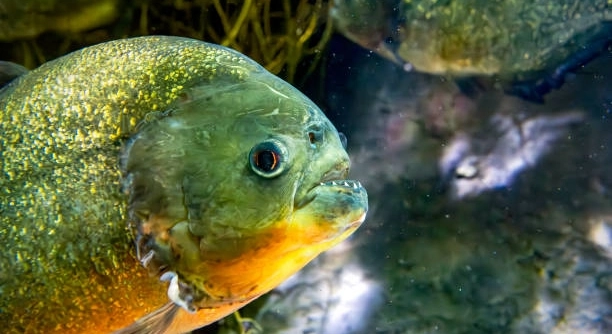
Piranha schools can react quickly to changes in their environment. These sharp, fast fish are sensitive to many things around them. Understanding what can startle them helps in observing their behavior calmly and safely.
Several factors can startle a piranha school, including sudden loud noises, rapid movements nearby, vibrations in the water, changes in water quality, strong scents, the presence of potential predators, and unexpected light flashes. These stimuli trigger a defensive or aggressive response.
Knowing these triggers helps create a safer environment for both the fish and observers. It also reveals interesting aspects of how piranhas interact with their surroundings.
Sudden Loud Noises
Sudden loud noises can easily startle a school of piranhas. These noises create vibrations that spread quickly through water, which the fish detect immediately. Piranhas rely heavily on their lateral line system to sense movement and vibrations around them. When a loud sound happens, it signals potential danger, making the whole school react at once. This can cause them to scatter or become aggressive in defense. For people observing piranhas, it’s important to keep noise levels low near their habitat. Avoid banging on tanks or making sharp sounds. Even small unexpected noises can trigger a reaction. Over time, piranhas might become more nervous if noises happen often, making them harder to study or keep calm.
Maintaining a quiet environment helps reduce stress for piranha schools and keeps their behavior more natural.
Sudden noises are one of the strongest triggers for piranhas. This sensitivity helps them survive but can be challenging in captive settings.
Rapid Movements Nearby
Rapid movements close to a piranha school will often cause immediate alertness. Piranhas are used to quick changes in their natural environment and respond with speed. This response helps protect them from predators or threats. When someone moves suddenly near their tank or water area, piranhas may dart away or become defensive. This is why calm, slow actions around their space are better. Sudden splashes or fast hand movements can easily disturb them. In an aquarium setting, it’s best to avoid quick gestures to prevent stress. Understanding this helps create a calmer habitat where piranhas feel safe. The quicker the movement, the stronger the reaction from the fish, which can lead to them hiding or acting aggressively.
Slow and steady movements promote a more peaceful interaction with piranhas. This awareness makes observing them more enjoyable and less stressful.
Vibrations in the Water
Vibrations travel fast through water and can startle a piranha school instantly. These vibrations signal movement or disturbance nearby, causing the fish to become alert or defensive.
Water vibrations come from many sources, such as boats, swimming, or dropped objects. Piranhas detect these through their lateral line system, which helps them sense changes in their surroundings. Even small vibrations can trigger a strong response because piranhas rely on this sense for survival. When vibrations increase suddenly, piranhas may swim away quickly or gather in tight groups to protect themselves.
In tanks or aquariums, it’s important to minimize vibrations by avoiding tapping on glass or sudden water movement. This helps keep piranhas calm and reduces their stress, making them easier to observe and care for over time.
Changes in Water Quality
Piranhas are very sensitive to changes in water quality, which can startle a whole school. Shifts in temperature, pH, or oxygen levels disrupt their comfort and health.
Poor water conditions quickly affect piranhas because they live in stable environments in the wild. When water quality drops, the fish become restless or try to escape. Sudden temperature changes are especially disturbing since piranhas prefer warm, consistent water. High ammonia or nitrate levels from waste build-up also cause stress and aggressive behavior. Regular water testing and cleaning are essential to prevent these problems. In captivity, maintaining stable water conditions keeps piranhas calm and healthy. This also reduces the chance of unexpected reactions caused by discomfort or poor living conditions. Proper care ensures the fish remain more predictable and less likely to startle easily.
Strong Scents
Strong scents in the water can easily startle piranhas. Their sense of smell is highly developed, helping them detect food or danger quickly.
Piranhas may react to unfamiliar or strong odors by becoming agitated or swimming away rapidly. Introducing new scents suddenly can disrupt their calm.
Presence of Potential Predators
Piranhas quickly detect nearby predators and respond with defensive behavior. Their survival depends on being alert to threats in the environment. When a predator is sensed, the whole school may group tightly or swim away fast to avoid harm. This reaction is natural and helps protect the fish from danger.
Unexpected Light Flashes
Sudden flashes of light can startle a piranha school. Bright or changing lights disturb their environment and cause stress.
What should I do if my piranha school gets startled?
If your piranha school suddenly gets startled, it’s best to remain calm and avoid making sudden movements or loud noises around the tank. Give them some time to settle down naturally. Check the environment for possible triggers such as loud sounds, strong vibrations, or sudden changes in water quality. If the startle was caused by something inside the tank, like a new object or lighting change, try to remove or adjust it gradually. Consistency in their surroundings helps reduce stress and makes the fish feel safer. Avoid tapping on the glass or trying to interact aggressively, as this can worsen their anxiety.
How can I reduce stress in a piranha school?
To reduce stress in a piranha school, maintain stable water conditions with proper temperature, pH, and oxygen levels. Keep the tank environment quiet and free from sudden disturbances like loud noises or vibrations. Avoid rapid or jerky movements when near the tank, and use gentle lighting instead of bright or flashing lights. Feeding should be done calmly and on a schedule to build trust. Providing hiding spots like plants or decorations helps the fish feel secure. Regular water changes and tank maintenance are important to keep the habitat clean and comfortable.
Are piranhas aggressive when startled?
Piranhas can become aggressive when startled because their natural defense mechanism is to protect themselves and their group. This aggression is usually a temporary reaction to sudden threats or disturbances. When they feel safe and undisturbed, they tend to be less hostile. However, in a stressed state, they may bite or chase other fish or anything they perceive as a danger. Recognizing triggers and minimizing them can help reduce these aggressive episodes. It’s important to respect their natural behavior while keeping their environment stable and secure.
Can loud noises permanently affect piranhas?
Loud noises can cause short-term stress in piranhas and, if repeated frequently, may lead to long-term anxiety or health problems. Constant exposure to loud sounds can weaken their immune system and affect feeding or breeding behaviors. To protect piranhas, try to keep noise levels low around their tank. Avoid banging or sudden sharp sounds near their habitat. Creating a peaceful environment helps maintain their well-being and natural behavior.
Why do vibrations scare piranhas?
Vibrations scare piranhas because they rely on their lateral line system to sense movement in the water. This system detects disturbances that might signal danger or prey. Sudden or strong vibrations alert the fish to possible threats, causing them to react quickly by swimming away or grouping defensively. Even small vibrations can create a strong response due to their survival instincts. Reducing vibrations near the tank is key to keeping piranhas calm.
Is it normal for piranhas to react to light changes?
Yes, it’s normal for piranhas to react to sudden changes in light. Bright flashes or rapid shifts in lighting can startle them because it interrupts their sense of security. In the wild, changes in light often indicate movement or threats. Gradual lighting changes or using dimmer, stable light sources can reduce these reactions. Providing shaded areas in the tank also helps piranhas feel safer.
What kind of environment helps prevent startling?
An environment that is stable, quiet, and consistent helps prevent startling in piranhas. This includes maintaining steady water quality, avoiding loud noises, minimizing vibrations, and using gentle lighting. Adding plants or decorations offers hiding places that reduce stress. Calm surroundings and routine care make piranhas feel secure and less prone to sudden reactions.
How do I know if my piranhas are stressed?
Signs of stress in piranhas include erratic swimming, hiding more than usual, loss of appetite, or aggressive behavior toward each other. They may also appear lethargic or show rapid breathing. These symptoms often result from poor water conditions, loud noises, sudden movements, or other disturbances. Monitoring their behavior regularly helps catch stress early and adjust their environment for better health.
Can piranhas get used to disturbances over time?
Piranhas can sometimes get used to certain repeated disturbances if these do not threaten their safety. For example, if they learn that a specific noise or movement is harmless, their reaction may lessen. However, this depends on the type and intensity of the disturbance. Stressful or aggressive triggers are less likely to be tolerated over time. Consistent care and a calm environment support better adaptation.
What precautions should I take when feeding piranhas?
When feeding piranhas, avoid sudden movements or splashing that could startle them. Feed them calmly and use tools like feeding tongs to keep a safe distance. Offer food at regular times to build a routine. Overfeeding should be avoided to maintain water quality and fish health. Feeding in a peaceful manner helps reduce stress and aggressive competition during meal times.
Piranhas are fascinating fish with sharp instincts that help them survive in their natural environment. Understanding what can startle a piranha school is important for anyone who observes or cares for these fish. Sudden noises, rapid movements, vibrations, changes in water quality, strong scents, the presence of predators, and unexpected light flashes all play a role in how piranhas react. These factors cause the fish to become alert, defensive, or aggressive, which is a natural response. Knowing these triggers helps create a calm environment where piranhas can feel secure and behave more naturally.
Keeping piranhas calm requires attention to their surroundings and habits. Maintaining stable water conditions is crucial because even small changes can cause stress. Minimizing loud noises and vibrations near their habitat will also help reduce their startle response. In addition, it is helpful to move slowly and carefully around their tank to avoid sudden movements that may scare them. Providing places for hiding and using gentle lighting contribute to a more comfortable space for the fish. These simple steps can make a big difference in how peaceful and healthy a piranha school remains.
Being aware of how piranhas react to their environment can improve the experience of keeping or studying them. It is important to respect their natural behavior and create conditions that reduce stress. Piranhas will always have strong reactions to certain stimuli, but with good care and a stable habitat, these reactions can be managed better. Taking the time to understand what startles piranhas will help you provide a safer, calmer home for them, making it easier to observe their interesting behavior without causing them harm or discomfort.

Hello,
If you enjoy the content that we create, please consider saying a "Thank You!" by leaving a tip.
Every little bit helps us continue crafting quality advice that supports the health, happiness, and well-being of pets around the world, for pets of all shapes, sizes, and species.
We really appreciate the kindness and support that you show us!