
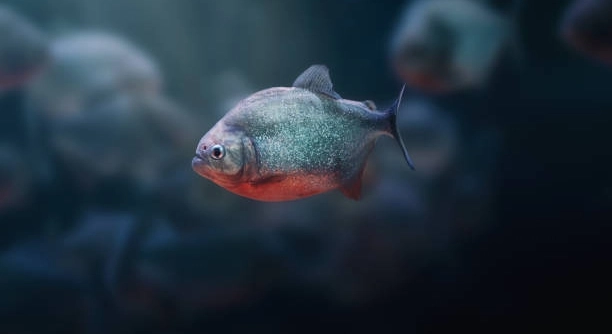
Do you ever find yourself wondering if your piranha can be trained to eat more calmly during feeding time at home?
Training a piranha to eat calmly involves consistency, controlled portions, and creating a low-stress environment. Repeating feeding routines while limiting stimulation can reduce aggressive behavior, helping your fish develop more predictable and peaceful mealtime habits over time.
These tricks are simple, effective, and can make a big difference in how your piranha responds during feeding.
Use Consistent Feeding Times
Keeping a steady schedule helps your piranha feel secure. Feed it at the same time every day, preferably when the environment is quiet. Consistency reduces anxiety and gives your piranha a pattern to rely on. Try to avoid switching feeding times often or feeding late. When your fish knows when to expect food, it becomes more relaxed and less reactive. Start by observing your piranha’s current behavior. If it gets excited or aggressive, wait until it calms slightly before placing food in the tank. Over time, your fish will adjust. Keeping the lights dim and sounds low can also help reduce stress during feeding. Use small, measured portions, and avoid overfeeding. Offering too much food can lead to fast, messy eating. With time and structure, you’ll notice less thrashing and more calm feeding responses. Stick to the schedule even on weekends or holidays for the best results.
Give it a few weeks to adjust, especially if your piranha is used to random feeding patterns.
Once a routine is set, feeding will feel smoother, safer, and more predictable for both of you.
Lower Tank Stress Factors
Stressful surroundings can make your piranha eat aggressively. Loud noises, sudden movements, or bright lights can startle it.
Try covering one side of the tank with a background sheet to block out movement. Limit how often people walk past the tank or tap on the glass. Keep lighting soft and consistent, using a timer if needed. Fast swimmers or other aggressive fish can also stress your piranha. If it’s in a shared tank, observe closely—some fish may be silently competing for food. Consider separating your piranha if it constantly looks tense or flares up during feeding. Use slow-sinking food to encourage calmer behavior and keep it occupied for longer. Adding live plants or tank decorations can help your fish feel safe and shielded. A calm tank environment builds trust. Your piranha will begin to associate feeding time with peace rather than panic. Gradually, this reduces defensive or wild behavior at mealtime.
Introduce Feeding Tools Gradually
Start by using feeding tongs or a feeding stick to place food gently in the water. This keeps your hands out of the tank and gives you more control over placement and movement, reducing sudden splashes or aggressive strikes.
Once your piranha gets used to seeing the feeding tool, it will start to associate it with food. Keep your movements slow and predictable. Place the food in the same area of the tank each time. Avoid shaking or jerking the tool—this can excite your piranha too much. After a few consistent feedings, your fish will begin to approach calmly. Don’t wave the tool around or tease the fish. The goal is to keep the feeding as calm and steady as possible. Some piranhas respond well to placing food directly on a flat rock or dish, which encourages slower, more deliberate eating.
If your piranha resists or shows fear at first, that’s normal. Let it adjust at its own pace. Leave the tool near the surface for a few minutes before feeding to build familiarity. Over time, this can help reduce the splashy lunges that sometimes happen during direct hand-feeding. A slow introduction makes a big difference in long-term feeding habits.
Use Smaller Portions More Often
Instead of one large meal, try feeding smaller amounts twice a day. This lowers excitement levels and helps your piranha focus on eating rather than fighting over food or gulping too fast.
Breaking meals into smaller sessions gives your piranha less reason to become aggressive. It learns to expect more food later and won’t feel pressure to snatch everything at once. You’ll also reduce food waste and keep the water cleaner. Use a feeding chart to track portion sizes and timing. Avoid tossing in random bits—this can confuse your piranha and trigger stress. Keeping meals short and structured encourages a calm response. It also helps you spot changes in eating behavior sooner. For example, if your piranha skips a meal or eats slowly, it might be a sign of stress or illness. By offering food more frequently, you’re giving your piranha more chances to eat calmly and safely.
Offer the Right Type of Food
Stick to foods that your piranha can eat easily without tearing or chasing. Soft chunks of fish, shrimp, or sinking pellets work best. Avoid fast-moving live feeders, as they trigger aggressive hunting instincts during meals.
The texture and size of the food matter. Pieces that are too large or tough can frustrate your piranha and cause sudden thrashing. Pre-cut everything to a manageable size before placing it in the tank.
Feed When the Room Is Quiet
Feeding in a quiet, low-traffic room helps your piranha stay calm. Limit loud music, conversation, or sudden noises during feeding time. Even small changes in background noise can trigger defensive reactions in sensitive fish.
Watch Body Language
If your piranha starts circling fast or flaring its gills, pause the feeding. That’s a sign it’s too worked up. Wait a few minutes, let it settle, then try again calmly.
FAQ
How long does it take to train a piranha to eat calmly?
Training time varies by individual fish, but generally, you can expect noticeable changes within a few weeks of consistent feeding routines. Some piranhas may take longer if they are particularly aggressive or stressed. Patience and steady habits are key to success.
Can feeding live food make my piranha more aggressive?
Yes, live food often triggers natural hunting instincts that can lead to increased aggression during feeding. Using frozen or prepared foods is usually better for encouraging calm eating habits. Live feeders can cause your piranha to rush and fight over food.
Is it okay to feed my piranha by hand?
Hand feeding is possible but requires caution. Using feeding tongs or sticks is safer and helps keep feeding controlled and calm. Direct hand feeding can sometimes provoke defensive strikes, especially if the fish feels threatened or overly excited.
What should I do if my piranha keeps fighting for food?
Separate aggressive fish during feeding times to reduce competition. Feeding smaller portions more frequently can also help. Make sure each fish has enough space and hiding spots to reduce stress. Avoid overcrowding the tank, which increases food competition.
How often should I feed my piranha?
Feeding small portions twice daily works best for most piranhas. Overfeeding can cause them to gulp food aggressively, while too little feeding might make them more frantic. Maintaining a consistent schedule helps keep their behavior calm.
Can tank decorations help calm my piranha?
Yes, plants, rocks, and hiding places provide security and reduce stress. A well-decorated tank mimics the natural environment and can make your piranha feel safer during feeding times. Avoid sharp or rough decorations that could injure your fish.
What if my piranha refuses to eat calmly despite training?
Some piranhas are naturally more aggressive and may not fully calm down. In such cases, focus on managing the environment and feeding routine to minimize stress and injury rather than expecting complete behavior change. Regular observation helps catch health issues early.
Is water quality related to feeding behavior?
Poor water quality can stress fish and increase aggressive behaviors during feeding. Keep your tank clean with regular water changes and proper filtration. Healthy water supports calmer, more natural feeding patterns.
Can I train multiple piranhas together?
Training multiple piranhas is more challenging because they compete for food and territory. If you keep several, try feeding them in separate areas or at different times to reduce conflict. Individual attention during training often works better.
Are there signs my piranha is stressed during feeding?
Signs include rapid swimming, flaring gills, hiding, or refusing food. If you notice these, pause feeding and check the environment for sudden changes or disturbances. Stress affects appetite and can lead to health problems if not addressed.
How important is tank size for feeding behavior?
A spacious tank allows your piranha to spread out during feeding and reduces competition. Overcrowded tanks lead to more aggressive food fights. Make sure your tank size fits the number and size of your piranhas for calmer meals.
What types of food are best for calming feeding behavior?
Soft, slow-sinking pellets or chopped frozen fish and shrimp are ideal. These allow your piranha to eat without rushing. Avoid overly hard or fast-moving food, which can trigger fast, aggressive strikes. Consistency in food type also helps reduce excitement.
How do I handle sudden aggressive outbreaks during feeding?
Stop feeding immediately and wait for your piranha to calm. Remove any leftover food to prevent competition. Evaluate tank conditions and feeding methods to reduce triggers. In some cases, temporarily isolating aggressive fish may be necessary.
Can feeding in a separate tank help train calm eating?
Yes, using a smaller training tank helps control the environment and limit distractions. It allows you to focus on calming feeding habits before returning your piranha to its main tank. This method requires patience and careful handling to avoid stress.
Are there any tools that help with calm feeding?
Feeding tongs, sticks, or flat dishes can help control food placement and slow down eating. Automatic feeders set to small, timed portions may also reduce excitement and create a routine your piranha can follow easily.
How does light affect feeding behavior?
Bright or flashing lights can startle your piranha and increase aggression. Soft, consistent lighting creates a more relaxed atmosphere. Using a timer to regulate lights helps maintain a stable daily rhythm that supports calm feeding habits.
Final Thoughts
Training your piranha to eat calmly is a process that takes time and patience. It is important to keep feeding routines consistent and controlled. Using the right tools and offering the appropriate type and size of food can make a big difference. Small, frequent meals help reduce excitement during feeding times. When your piranha begins to associate feeding with calm moments, the aggressive lunges and fast movements will gradually decrease. Remember, every fish has its own personality and pace of learning, so progress may vary.
Maintaining a calm environment during feeding is also crucial. Feeding in a quiet room with minimal disturbances helps your piranha feel safe and focused. Avoid loud noises or sudden movements near the tank. Proper tank setup with enough space, hiding spots, and clean water supports your fish’s well-being and calm behavior. Stress can make your piranha more aggressive or anxious, so a healthy habitat encourages peaceful feeding habits. Watching your fish closely during feeding allows you to adjust your approach if signs of stress or aggression appear.
Ultimately, training a piranha to eat calmly is about understanding their natural instincts and adapting your care accordingly. You cannot change their nature, but you can create conditions that encourage calmer behavior. Patience, observation, and a steady routine are the most effective tools. If you stay consistent and pay attention to your fish’s responses, feeding time can become a more pleasant and safe experience for both you and your piranha. This approach improves not just feeding, but your overall relationship with your fish.

Hello,
If you enjoy the content that we create, please consider saying a "Thank You!" by leaving a tip.
Every little bit helps us continue crafting quality advice that supports the health, happiness, and well-being of pets around the world, for pets of all shapes, sizes, and species.
We really appreciate the kindness and support that you show us!