
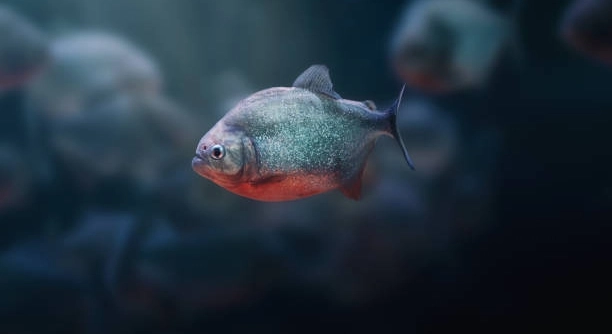
Captive piranhas require careful attention to maintain their health and well-being. Stress in these fish can manifest early, affecting their behavior and overall condition. Recognizing symptoms early helps ensure they live in a comfortable and stable environment.
Seven early symptoms of stress in captive piranhas include changes in swimming patterns, loss of appetite, abnormal coloration, increased aggression, frequent hiding, erratic movement, and labored breathing. Identifying these signs promptly aids in preventing further health complications.
Knowing these symptoms allows for timely intervention, promoting healthier conditions for your piranhas. This information supports better care and contributes to the fish’s long-term welfare.
Changes in Swimming Patterns
Stress in captive piranhas often first appears as unusual swimming behavior. They may swim erratically or rest more than usual, which is different from their normal active and purposeful movement. Sometimes, stressed piranhas stay near the surface or hide at the bottom of the tank. These changes suggest discomfort or fear, possibly due to poor water quality, overcrowding, or sudden environmental changes. Observing your piranha’s swimming habits regularly helps detect early signs of stress before more serious problems develop. Maintaining stable tank conditions can reduce this behavior and support healthier fish.
Early recognition of altered swimming patterns is key to preventing further health decline in piranhas.
Addressing swimming abnormalities requires checking water parameters, reducing noise or sudden light changes, and avoiding tank overcrowding. Providing hiding places helps reduce stress. When piranhas swim erratically, it might indicate poor oxygen levels or toxins. Testing water quality and performing partial water changes often restore normal behavior. Consistency in tank maintenance and environment stability is essential for piranhas’ well-being and helps avoid stress-related health issues over time.
Loss of Appetite
Loss of appetite is a common stress symptom in captive piranhas. When stressed, they may refuse food or eat less than usual. This behavior weakens their immune system and slows recovery from illness. Monitoring feeding habits closely helps catch this early. It often signals that something in their environment needs adjustment, such as water quality, temperature, or tank companions.
Piranhas that stop eating require immediate attention to prevent malnutrition and illness.
To improve appetite, ensure the tank environment is stable and clean. Offer fresh, appropriate food, and avoid sudden changes in feeding schedules. Sometimes, reducing tank stressors like aggressive tank mates or loud noises encourages piranhas to eat again. If appetite loss persists despite these efforts, consulting a veterinarian experienced with fish can help identify underlying health issues. Consistent care and observation are crucial for restoring normal feeding behavior.
Abnormal Coloration
Piranhas under stress often show faded or dull colors. Their vibrant hues become muted, signaling discomfort or poor health.
Color changes occur because stress impacts their immune system and overall well-being. Water quality issues, improper diet, or tank conditions can cause this. When the environment is unstable, piranhas may lose their natural coloration, making them more vulnerable to illness. Regular water testing and proper nutrition are essential to keep their colors bright and maintain their health.
Restoring normal coloration involves stabilizing tank parameters and reducing stress sources. Improving diet with varied, nutritious food can also help. If colors remain dull despite these efforts, a health check by an expert is recommended. Early action prevents further decline in their condition and supports recovery.
Increased Aggression
Stress can make captive piranhas more aggressive toward tank mates or even each other. This behavior often arises from overcrowding, limited space, or competition for food.
Managing aggression starts with assessing tank size and population density. Providing enough hiding spots helps reduce conflicts and gives stressed piranhas places to retreat. Feeding on schedule and ensuring adequate nutrition also lowers aggression triggered by hunger. Removing aggressive individuals may be necessary to protect others.
Keeping aggression in check requires regular observation and adjustments to tank conditions. A peaceful environment helps piranhas feel secure, reducing stress-related hostility and promoting healthier social interactions within the tank.
Frequent Hiding
Stressed piranhas tend to hide more often than usual. This behavior shows they feel threatened or uncomfortable in their environment.
Hiding can protect them temporarily but may also indicate poor tank conditions or aggressive tank mates. Monitoring this behavior helps identify stress early and improve their habitat.
Erratic Movement
Erratic movement in captive piranhas often signals stress or discomfort. Sudden bursts of swimming followed by long pauses may indicate water quality issues or illness.
Maintaining stable water parameters and minimizing disturbances reduces erratic behavior. Observing these patterns helps ensure timely care and better health for your fish.
Labored Breathing
Labored breathing is a serious symptom of stress in piranhas. It can mean low oxygen levels or poor water quality affecting their health.
FAQ
What causes stress in captive piranhas?
Stress in captive piranhas usually comes from poor water quality, overcrowding, sudden changes in their environment, and aggressive tank mates. Inconsistent feeding schedules and inappropriate water temperature can also trigger stress. These factors disrupt their natural behavior and weaken their immune system, making them more vulnerable to illness.
How can I improve water quality to reduce stress?
Regular water testing and partial water changes are essential. Remove uneaten food and waste promptly to avoid toxins building up. Use a reliable filter system and maintain proper oxygen levels in the tank. Avoid overcrowding to keep the environment stable and clean.
Why do piranhas lose their appetite when stressed?
Stress impacts their metabolism and nervous system, leading to reduced feeding. Environmental issues like poor water conditions or harassment from other fish often cause loss of appetite. Lack of food weakens their health further, so timely correction is important.
Can I treat stress symptoms at home?
Some symptoms like erratic swimming or hiding can be managed by improving tank conditions and reducing disturbances. Stabilizing water parameters and ensuring proper nutrition help piranhas recover. However, if symptoms persist or worsen, professional advice from a veterinarian is recommended.
How often should I feed captive piranhas?
Feeding once or twice a day with a balanced diet suitable for carnivorous fish is best. Avoid overfeeding, which pollutes the water and causes stress. Providing variety, such as live or frozen foods, supports their health and encourages natural feeding behavior.
Is it normal for piranhas to show aggression?
Piranhas are naturally territorial, but excessive aggression can signal stress or overcrowding. Ensuring enough space and hiding places reduces fighting. If aggression continues, separating individuals may be necessary to maintain peace in the tank.
What signs indicate urgent health problems?
Signs like labored breathing, continuous loss of appetite, and drastic color changes need immediate attention. These symptoms suggest serious stress or illness requiring quick intervention to prevent fatal outcomes.
How do temperature changes affect piranhas?
Sudden or extreme temperature changes stress piranhas by affecting their metabolism and immune system. Keeping the tank temperature steady within the recommended range is crucial for their comfort and health.
Can I prevent stress in piranhas with tank setup?
Yes, providing an environment that mimics their natural habitat with proper filtration, stable water parameters, adequate space, and hiding spots greatly reduces stress. Regular maintenance and observation also play a key role in prevention.
What should I do if my piranha refuses to eat for several days?
Check water quality and tank conditions first. Remove any stressors like aggressive tank mates. Try offering different foods or live prey to stimulate appetite. If the problem continues, consult a vet for possible illness or deeper stress issues.
Final thoughts on caring for captive piranhas emphasize the importance of recognizing early stress symptoms. Stress can negatively affect their health, behavior, and lifespan if left unchecked. Observing changes such as swimming patterns, appetite, coloration, aggression, hiding, movement, and breathing helps identify when a piranha is under stress. Early detection allows timely intervention, which can prevent serious health problems and improve the fish’s overall quality of life.
Maintaining a stable and clean environment is essential for reducing stress in piranhas. Regular water testing, appropriate tank size, and proper filtration support a healthy habitat. Feeding a balanced diet on a consistent schedule also contributes to their well-being. Avoiding sudden changes and overcrowding helps keep piranhas calm and less aggressive. Providing hiding places within the tank allows them to retreat when they feel threatened, further reducing stress levels.
Taking care of captive piranhas requires patience and attention to detail. Stress is often a sign that something in their environment needs adjustment. By staying observant and proactive, it is possible to create a safe and comfortable space for piranhas to thrive. Consistent care and monitoring help ensure they remain healthy, active, and vibrant over time. This approach benefits both the fish and the caretaker, making the experience more rewarding and successful.

Hello,
If you enjoy the content that we create, please consider saying a "Thank You!" by leaving a tip.
Every little bit helps us continue crafting quality advice that supports the health, happiness, and well-being of pets around the world, for pets of all shapes, sizes, and species.
We really appreciate the kindness and support that you show us!