
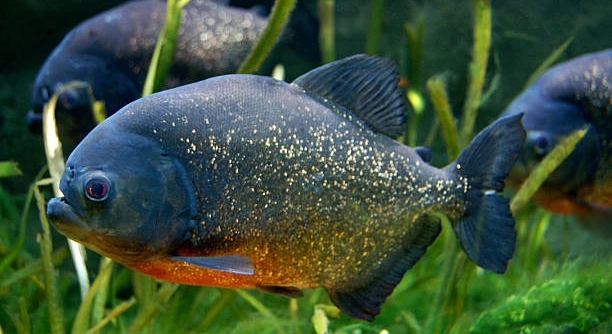
Are your piranhas looking dull, restless, or less active in their current tank setup? Simple changes might make a big difference. Creating a more suitable and enriched habitat can lead to noticeable improvements in their behavior.
Piranhas respond well to tank upgrades that mimic their natural environment, reduce stress, and stimulate their instincts. Key enhancements like better filtration, added hiding spots, and varied lighting can improve their overall health and activity levels.
Learning what upgrades benefit piranhas the most can help you create a healthier and more dynamic aquarium environment they will thrive in.
Upgrade 1: Add Dense Plant Cover
Dense plant cover helps reduce stress and encourages more natural behavior in piranhas. Live or artificial plants provide hiding spots, block direct light, and create a sense of safety. Piranhas often come from rivers and backwaters with lots of underwater vegetation, so mimicking that can have a calming effect. Tall plants in the back and bushier plants around the sides work well. Live plants like Amazon swords, hornwort, or anubias can survive in low to moderate lighting, which suits most piranha setups. Artificial plants are also fine, as long as they are smooth and do not injure the fish. Avoid overcrowding the tank, but ensure your piranhas have enough places to retreat when they feel uneasy. If your piranhas are more active and less aggressive toward each other after adding plants, it’s a good sign you’ve made the right adjustment.
Keep an eye on plant placement so there’s still room to swim freely.
Even a few plants can help lower stress levels in piranhas. When they feel hidden and safe, they tend to explore more and show brighter colors.
Upgrade 2: Use a High-Quality Filtration System
A strong filtration system is important in any piranha tank. These fish produce a lot of waste, and poor water quality can make them sick or stressed. In tanks that are 55 gallons or larger, a single filter is often not enough. Use a canister filter with high mechanical, chemical, and biological filtration power. It should cycle the full tank volume at least 6 to 8 times per hour. Pairing two filters on opposite ends of the tank can keep the water cleaner and more evenly circulated. Clean the filters regularly and replace media as needed. Don’t forget to test ammonia, nitrite, and nitrate levels weekly. Good filtration also helps maintain oxygen levels, which piranhas need to stay active and healthy. If the water is clean and clear, your fish will behave more confidently and display stronger colors. A reliable filter is one of the most important upgrades you can make.
Upgrade 3: Install a Dim Lighting Setup
Piranhas prefer low-light environments that resemble their native waters. Bright lighting can make them feel exposed and uneasy. Dim lighting helps reduce stress and encourages natural movement, especially during feeding times.
Use subdued LED lights or position floating plants to soften overhead lighting. Aim for a setup that creates shaded areas and gentle highlights across the tank. Avoid lights that are too bright or white in tone. Warm, soft hues are more calming for your fish. If your lighting system has adjustable settings, keep it on the lower end or use a timer to simulate dawn and dusk. This keeps their routine steady. Piranhas may act shy at first, but over time, they will explore more under low lighting. Creating a calmer environment can reduce aggression and make group living easier.
Dim lighting also brings out the deeper colors in piranhas, especially reds and silvers. A soft glow adds to the tank’s visual appeal without disturbing them.
Upgrade 4: Provide a Spacious Layout
A larger tank with more swimming space helps reduce territorial behavior in piranhas. When they feel cramped, they can become aggressive or hide constantly. An open layout gives them room to move freely and establish space between one another.
Start with a tank that’s at least 75 gallons for a small group, and scale up from there as they grow. Keep decorations minimal and positioned along the edges, so the center remains open. Avoid sharp rocks or cluttered structures that limit space. Use sand or smooth gravel for the substrate to keep the bottom soft and natural. If possible, choose a long tank over a tall one, since piranhas prefer horizontal swimming. Giving them more room not only improves behavior but can also extend their lifespan. Spacious tanks make them feel safer, and they’re less likely to injure one another when there’s plenty of space to retreat or pass each other.
Upgrade 5: Add Smooth Driftwood or Branches
Smooth driftwood gives piranhas places to hide, rest, and feel secure. It also breaks up line of sight, helping to reduce tension in groups. Choose pieces without sharp edges that won’t injure your fish.
Over time, driftwood can slightly soften the water and darken it, which piranhas seem to prefer.
Upgrade 6: Introduce Water Movement
Use a powerhead or adjustable circulation pump to create a gentle current in the tank. In the wild, piranhas live in rivers with steady flow, so simulating that makes them feel more at home. Avoid strong currents—they prefer mild, steady movement that lets them swim comfortably. A small wave maker or output spray bar aimed across the tank can help distribute flow evenly. Keep the flow going in one general direction to mimic river conditions. Proper water movement also boosts oxygen levels and helps prevent waste buildup in dead zones. Movement adds natural stimulation and may increase activity during feeding.
Upgrade 7: Use a Secure, Tight-Fitting Lid
Piranhas can jump when startled, especially in new or stressful setups. A tight-fitting lid prevents injury or escape. It also helps maintain humidity and temperature more evenly across the tank.
FAQ
How many piranhas should I keep together in one tank?
Piranhas are best kept in groups of 4 to 6 if the tank is large enough. They are naturally schooling fish, and being in a group helps them feel more secure. However, space is very important. A small tank will cause stress, leading to aggressive behavior or injury. For a group of 4 red-bellied piranhas, you should have at least a 100-gallon tank. The bigger the tank, the better. Keeping a single piranha is possible, but it’s not ideal unless the fish shows signs of aggression toward others. If you notice signs of bullying, it’s best to separate them.
What is the ideal water temperature for piranhas?
Piranhas do well in water temperatures between 74°F and 82°F. Try to keep the temperature steady, as large swings can stress them. Using a quality aquarium heater with a built-in thermostat helps maintain a stable environment. Always place the heater near water movement, so the heat spreads evenly throughout the tank. A digital thermometer will give you an accurate reading and help you avoid overheating. If the tank is too cold, piranhas may become sluggish and lose their appetite. Too warm, and they may become overly active or stressed. Stability is more important than staying at the higher end.
Do piranhas need a special diet?
Yes, piranhas need a varied, protein-rich diet. In captivity, they do well on a mix of high-quality carnivore pellets, frozen fish, shrimp, and the occasional bit of raw meat. Avoid feeding them live feeder fish, as this can introduce diseases and parasites. Also, don’t rely only on one food type, or they might miss important nutrients. Offer different options throughout the week to keep them healthy. Feed them once a day, and remove uneaten food within 10 minutes to keep the water clean. Overfeeding leads to mess and water problems, which piranhas are sensitive to.
How often should I clean a piranha tank?
You should do partial water changes of 25% to 30% once a week. This keeps the water fresh and removes built-up waste. Use a gravel vacuum to clean the substrate and remove debris. Clean your filters monthly, but don’t wash all filter media at once—this helps keep beneficial bacteria alive. Check your ammonia, nitrite, and nitrate levels weekly. Keeping those levels balanced will make a big difference in how your piranhas act and feel. A clean tank also reduces stress, disease risk, and odd behavior like hiding or aggression. Stick to a regular routine, and your fish will benefit.
Can piranhas live with other fish?
In most cases, it’s not a good idea to keep other fish with piranhas. Even if they seem calm at first, piranhas can suddenly attack or eat smaller tank mates. Some people try large, fast, or armored fish, but there’s always a risk. If you want tank mates, stick with other piranhas of the same size and species. Even then, keep an eye out for fin-nipping or aggressive chasing. Every group has a different dynamic, and some piranhas are more territorial than others. Providing plenty of space and hiding spots can help ease tension between them.
What signs show that a piranha is stressed?
A stressed piranha may hide more than usual, stop eating, or lose color. You might also notice erratic swimming or twitching movements. Stress can come from poor water quality, tank mates, loud noises, or bright lights. Always check your water parameters first—ammonia and nitrite levels are often the issue. If that’s not the problem, look at the lighting, temperature, and tank layout. Adding more plants or hiding places can also help reduce stress. If one fish is bullying another, it may need to be moved. Watch closely, and try to catch issues early before they become serious.
Final Thoughts
Keeping piranhas healthy and active doesn’t have to be complicated. Small upgrades like better lighting, smoother décor, or stronger filtration can make a big difference. When their environment feels natural and safe, piranhas show more color, explore more, and behave in calmer ways. Many of the problems people face with piranhas—like aggression, stress, or illness—can be traced back to their tank setup. A few thoughtful changes can help solve those problems. It’s not about spending a lot of money. It’s about making smart choices that match their needs.
Each upgrade covered in this article supports the way piranhas live in the wild. Driftwood gives them places to hide. Plants lower their stress. Water flow and good filters keep the tank clean and well-oxygenated. Even things like tank size and lighting play a role in how secure they feel. When you take the time to improve these parts of their environment, your fish will respond in positive ways. You may notice more balanced group behavior, fewer signs of fear or stress, and better feeding responses. These are all signs that the fish feel comfortable in their surroundings.
Consistency is just as important as the upgrades themselves. A strong setup will only work well if it’s properly maintained. That means checking water quality regularly, cleaning filters, and making sure the tank is peaceful and stable. When conditions stay steady, piranhas become less skittish and more active during the day. They’re also less likely to get sick or injure each other. Keeping piranhas can be rewarding when you take the time to understand what they need. These upgrades are not just about how the tank looks—they directly support the health and behavior of your fish. A stable, thoughtful tank setup can help your piranhas live longer, healthier lives.

Hello,
If you enjoy the content that we create, please consider saying a "Thank You!" by leaving a tip.
Every little bit helps us continue crafting quality advice that supports the health, happiness, and well-being of pets around the world, for pets of all shapes, sizes, and species.
We really appreciate the kindness and support that you show us!