
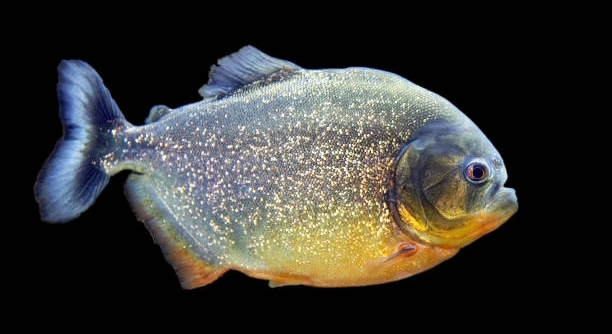
Piranhas are often known for their sharp teeth and fierce nature, but their sensory abilities are equally fascinating. These fish rely on specialized senses to navigate and hunt in their watery environments. Understanding these senses helps us appreciate their unique adaptations.
Piranhas have highly developed sensory systems, including keen eyesight, a sensitive lateral line to detect vibrations, and an acute sense of smell. These combined senses allow them to locate prey and respond quickly to changes in their surroundings.
Knowing how piranhas sense the world around them reveals important details about their behavior and survival tactics in rivers and lakes. This article uncovers interesting facts about their sensory perception.
How Piranhas Use Their Eyesight
Piranhas have sharp eyesight that helps them spot movement and shapes even in murky water. Their eyes are adapted to detect changes in light and shadow, which is important for hunting and avoiding predators. In dim conditions, they rely on their vision to find prey and navigate obstacles. The position of their eyes on the sides of their heads gives them a wide field of view. This allows piranhas to see nearly all around them, helping them react quickly to threats or opportunities. While their eyesight is good, it is not perfect. Piranhas also depend on other senses to fill in gaps, especially when water is too dark or muddy for sight alone. This combination of vision and other sensory tools makes them effective hunters in diverse environments.
Their eyesight helps them identify prey and predators quickly, giving them a survival edge in their habitats.
Besides eyesight, piranhas use their sense of smell to detect blood or chemicals in the water. This allows them to locate injured prey even when it is not visible. The lateral line system also helps piranhas feel vibrations, alerting them to movement nearby. Together, these senses create a powerful network that guides their behavior underwater.
The Role of the Lateral Line System
The lateral line system is a unique sensory organ running along the sides of piranhas.
This system detects vibrations and water movements. It helps piranhas sense nearby fish, obstacles, and changes in water currents without relying on sight or smell. The lateral line is made up of tiny sensory cells that pick up pressure changes, giving piranhas a detailed map of their surroundings. This is especially useful in dark or crowded waters where visibility is poor. It also helps them coordinate when swimming in groups or during attacks. The lateral line works continuously, allowing piranhas to respond quickly to sudden movements or threats. It’s a vital part of how they stay alert and react to the environment. Without it, piranhas would struggle to find food or avoid danger, especially in the often murky rivers they call home.
Piranhas’ Sense of Smell
Piranhas have an excellent sense of smell that helps them detect food and danger. They can pick up tiny amounts of chemicals in the water, including blood, which guides them toward injured prey.
This strong olfactory ability is crucial for hunting, especially when visibility is low. Piranhas can detect blood from far away, which often triggers a feeding frenzy. Their nostrils contain sensitive receptors that constantly sample the water for scents. This sense also helps them avoid predators and find mates during breeding seasons. Smell works alongside their other senses to create a full picture of their environment, making piranhas efficient and adaptive hunters.
Their sense of smell plays a key role when eyesight is limited, allowing them to rely on chemical signals to survive in dark or turbid waters.
Sensory Adaptations for Night Hunting
Piranhas adjust their sensory focus during nighttime, relying less on sight and more on smell and the lateral line.
At night, low light reduces their visual abilities, so they depend heavily on detecting water vibrations and chemical cues. Their lateral line becomes more sensitive, helping them sense nearby movement and changes in water pressure. This adaptation allows them to hunt effectively in darkness, when many prey species are less alert. The increased reliance on smell also helps them track down food by detecting blood or other scents. Nighttime hunting is safer and more efficient because piranhas can surprise their prey using these heightened senses. These adaptations improve their chances of finding food and avoiding danger during low-visibility conditions. Their sensory flexibility is a key survival trait in diverse environments.
Sensitivity to Water Pressure
Piranhas are highly sensitive to changes in water pressure around them. This helps them detect movement from other fish and objects nearby.
Their lateral line system plays a key role in this sensitivity. It allows them to sense even slight vibrations in the water, which is crucial for hunting and avoiding threats.
Communication Through Sensory Signals
Piranhas use their sensory abilities to communicate with each other. Vibrations and water movements signal warnings or coordinate group behavior during hunting and defense.
This form of communication helps piranhas work together and stay alert in complex environments.
Importance of Sensory Perception in Feeding
Accurate sensory perception allows piranhas to find and capture prey efficiently. Their combined senses guide them to food sources quickly and precisely.
Without these sensory adaptations, piranhas would struggle to survive in their habitats where competition and danger are constant.
FAQ
How do piranhas detect prey in murky water?
Piranhas rely mainly on their lateral line system and sense of smell to find prey in murky water. The lateral line senses vibrations and pressure changes, while their strong sense of smell picks up chemical signals, such as blood or other scents, from injured or nearby prey. Together, these senses compensate for poor visibility, allowing piranhas to locate food even when their eyesight is limited.
Can piranhas sense danger before they see it?
Yes, piranhas can sense danger before it becomes visible. Their lateral line system detects sudden movements or vibrations in the water, alerting them to nearby predators or threats. Additionally, their sensitive smell can pick up chemical signals released by stressed or injured animals, giving piranhas early warning to escape or prepare to defend themselves.
Do piranhas have better senses than other fish?
Piranhas have highly developed senses that are well-suited for their environment. While many fish have lateral lines and decent eyesight, piranhas combine these with a particularly strong sense of smell. This combination helps them hunt and survive effectively, especially in the often dark and turbulent waters they inhabit. However, some fish may have specialized senses tailored for different conditions, so it depends on the species.
How do piranhas use their senses when hunting in groups?
When hunting in groups, piranhas use their senses to coordinate attacks. The lateral line helps detect the movements of nearby group members, while smell and sight guide them toward prey. This sensory communication allows them to work together efficiently, surrounding and overwhelming their target quickly.
Are piranhas’ senses important for mating?
Yes, sensory perception plays a role in mating behavior. Piranhas use smell to find mates during breeding seasons by detecting chemical cues released in the water. Vibrations and movements detected by the lateral line may also help them locate and interact with potential partners.
Can piranhas detect humans or large animals nearby?
Piranhas can detect large animals, including humans, through vibrations and water pressure changes. Their lateral line system picks up disturbances caused by movement, and their sense of smell may detect chemicals released into the water. This helps them stay aware of potential threats or opportunities.
Do piranhas lose sensory ability as they age?
There is limited research on sensory decline in aging piranhas, but like many animals, some reduction in sensory sharpness could occur over time. However, their senses remain critical throughout their lives for feeding and survival, so any decline would likely be gradual.
How do environmental changes affect piranha senses?
Environmental factors like water pollution, temperature, and clarity can affect piranha sensory perception. Pollutants may damage sensory cells or interfere with chemical signals, while murky water challenges eyesight but can make smell and vibration detection even more important. Piranhas adapt to these changes, but severe conditions can impact their ability to hunt and survive.
Piranhas are often seen as fierce and aggressive fish, but their sensory perception is what truly makes them fascinating. Their ability to sense the world around them goes beyond just sharp teeth and quick movements. With a combination of good eyesight, a highly sensitive lateral line system, and an excellent sense of smell, piranhas can survive and thrive in a variety of water conditions. These senses work together to help piranhas find food, avoid predators, and communicate with each other. Understanding how these sensory systems operate gives a clearer picture of how piranhas behave and why they are such effective hunters.
The lateral line system is especially important because it allows piranhas to detect vibrations and pressure changes in the water. This means they can sense nearby movement even when they cannot see it clearly. This sense is very useful in the often murky rivers and lakes where they live. At the same time, their keen sense of smell helps them pick up chemical signals like blood or other scents, which leads them directly to injured or vulnerable prey. Their eyesight, while good, can sometimes be limited by water clarity or low light, but the combination of all these senses helps them overcome such challenges. This balance of sensory skills allows piranhas to adapt well to different environments and hunt successfully both alone and in groups.
In short, piranhas rely on a complex set of sensory tools that work together to help them survive. Their senses guide them in finding food, staying safe, and interacting with other piranhas. While they may have a fearsome reputation, their sensory perception reveals a more complete picture of their behavior and survival strategies. Learning about these facts offers a deeper appreciation for how piranhas live and thrive in their natural habitats. This knowledge not only helps us understand piranhas better but also shows how important sensory perception is for many aquatic animals in challenging environments.

Hello,
If you enjoy the content that we create, please consider saying a "Thank You!" by leaving a tip.
Every little bit helps us continue crafting quality advice that supports the health, happiness, and well-being of pets around the world, for pets of all shapes, sizes, and species.
We really appreciate the kindness and support that you show us!