
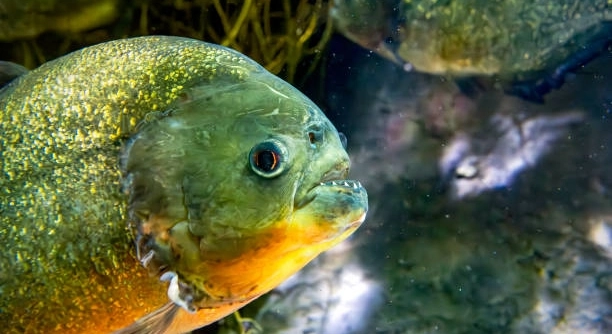
Piranhas are known for their sharp teeth and quick movements. They live mostly in freshwater environments, where sounds from outside can catch their attention. These fish react differently to noises around them in their habitat.
Piranhas exhibit a variety of responses to external noise, including increased alertness, changes in swimming patterns, and altered feeding behavior. Such reactions help them assess potential threats or opportunities in their environment, contributing to their survival and interaction with surroundings.
Understanding how piranhas respond to noise can provide insights into their behavior and help improve care in controlled environments. This knowledge benefits both enthusiasts and researchers alike.
How Piranhas React to Sudden Loud Noises
When piranhas hear sudden loud noises, they often become very alert. Their bodies tense up, and their eyes focus on the source of the sound. This reaction is a natural defense mechanism. In the wild, sudden noises might mean danger, such as a predator approaching or a disturbance nearby. Because piranhas rely on their senses to survive, loud sounds trigger their fight-or-flight response. They may swim quickly to hide among plants or rocks. Sometimes, their movement becomes more erratic as they try to understand what is happening. This reaction helps keep them safe from harm.
These quick responses to noise show how sensitive piranhas are to changes in their environment. It’s important to remember this if you keep them in an aquarium.
Loud sounds don’t just scare piranhas; they also affect their behavior for some time after. They might avoid the noisy area or become less active. In captivity, constant loud noises can cause stress, leading to health problems. Giving piranhas a quiet space can help them feel secure and behave naturally.
Changes in Feeding Behavior Due to Noise
Piranhas often change how they eat when exposed to external noise. They might stop feeding altogether if the sound is too disturbing. In their natural setting, feeding requires focus and calm, so sudden noises can interrupt this process. When they feel threatened, their priority shifts to safety, and eating becomes secondary.
Noise can reduce their appetite and make them more cautious while eating. This is because they want to stay alert for any potential threats. In some cases, piranhas may rush their feeding to finish quickly and return to a safer place. This behavior is different from their usual steady feeding routine.
In aquariums, it’s best to keep feeding times quiet and calm. This helps piranhas maintain a healthy diet and reduces stress. If you notice your piranhas eating less or acting nervous during feeding, consider lowering noise levels around their tank. Proper care includes understanding how environmental factors like noise influence their natural habits. Adjusting their surroundings can improve their well-being and keep them more comfortable in captivity.
Increased Grouping Behavior
Piranhas tend to group closer together when they hear loud or unfamiliar noises. This behavior helps them feel safer. Being in a tight group can confuse predators and reduce the chance of any single fish being targeted.
Grouping provides piranhas with a sense of security. When noise disrupts their environment, they instinctively move toward each other. This response lowers individual stress levels and improves their chances of survival. In the wild, this grouping can quickly change how they interact and hunt. In captivity, you might notice them swimming tightly in one area after a sudden noise. This behavior shows how noise affects their social habits and comfort.
Over time, if noise is frequent, piranhas may stay grouped longer than usual. This can reduce their natural exploration and feeding behavior. Maintaining a calm environment allows them to spread out and behave normally, which is important for their health.
Sensitivity to Vibrations
Piranhas are highly sensitive to vibrations in the water caused by external noise. These vibrations travel through the water and alert the fish to possible threats or movements nearby. This sensitivity helps them detect danger early.
The lateral line system on their bodies picks up vibrations, allowing piranhas to react quickly. When exposed to strong vibrations, they may stop moving or swim away from the source. This system is vital for hunting and avoiding predators. In noisy environments, excessive vibrations can cause stress or confusion, affecting their behavior.
Because of this sensitivity, piranhas prefer calm water with minimal disturbances. Sudden or constant vibrations from outside sources can interfere with their ability to sense prey or threats. For those caring for piranhas, reducing water vibrations by placing the tank in a stable, quiet location is essential. This helps maintain their natural responses and keeps them healthier.
Startle Response
Piranhas often react to sudden noises with a quick startle response. This reaction involves rapid movement away from the sound source, helping them avoid potential danger. It’s an instinctive behavior for protection.
The startle response can be quite noticeable in an aquarium, where piranhas dart quickly across the tank. It usually lasts only a few seconds but shows how alert they are to unexpected changes.
Temporary Silence
External noise can cause piranhas to become temporarily silent. They may stop making sounds or moving actively as they focus on assessing their surroundings. This pause helps them avoid drawing attention.
In quieter conditions, piranhas resume normal activity. This brief silence is a natural way for them to stay safe and calm when unsure about sudden disturbances.
Reduced Exploration
Noise can make piranhas less likely to explore their environment. They often stay close to shelter and avoid open areas until they feel safe again. This cautious behavior helps reduce risk.
How do piranhas react to constant noise around their environment?
Piranhas generally become stressed when exposed to constant noise. Unlike sudden noises, continuous noise can prevent them from relaxing or behaving naturally. This ongoing disturbance may lead to increased hiding, less movement, and decreased feeding. Over time, stress can affect their immune system and overall health. In captivity, constant noise such as loud talking, music, or vibrations from appliances can cause these effects. Providing a quiet, stable environment helps piranhas stay calm and healthy, allowing them to display their normal behaviors like exploring and feeding.
Can loud noises cause aggression in piranhas?
Yes, loud or sudden noises can sometimes trigger aggressive behavior in piranhas. When startled or stressed, they might act more territorial or defensive. This aggression can include chasing tank mates or snapping quickly. However, not all piranhas react this way; some become more withdrawn instead. It depends on the individual fish and their environment. Reducing noise and providing hiding spaces can help manage aggression by lowering stress levels and giving them a sense of safety.
Do piranhas get used to noises over time?
Piranhas can become somewhat accustomed to regular noises if these sounds are consistent and non-threatening. Habituation means they gradually stop reacting strongly to repeated stimuli. However, this process can take time and varies between fish. Sudden or unpredictable noises will still cause reactions, even if the fish is used to background sounds. Consistent loud noises, though, may still cause stress even if the fish doesn’t visibly react. Creating a calm environment remains important for their long-term well-being.
How does noise affect piranha feeding habits?
Noise can disrupt feeding by making piranhas anxious or distracted. They might stop eating or eat less during noisy times. Loud sounds can cause them to rush feeding or become overly cautious. In a calm setting, piranhas feed more regularly and calmly, which is better for their digestion and health. If feeding times coincide with noisy events, it’s best to reduce noise or wait until the environment is quiet to feed them.
Is it better to keep a piranha tank in a quiet room?
Yes, placing a piranha tank in a quiet room is beneficial. Less noise means less stress for the fish. It allows them to behave naturally, feeding and swimming without interruption. A quiet room also reduces vibrations that can disturb their sensitive lateral lines. Choosing a low-traffic area away from loud appliances or constant human activity helps maintain a peaceful space for the fish.
What signs show that noise is stressing piranhas?
Signs of stress from noise include hiding more than usual, reduced movement, less appetite, and unusual aggression or lethargy. You might also notice rapid breathing or erratic swimming. If these behaviors last after noise stops, it’s a clear indication the fish are struggling. Observing your piranhas carefully will help you catch these signs early and make changes to their environment.
Can external noise affect piranha health long-term?
Long-term exposure to noise can negatively affect piranha health by increasing stress hormones. This can weaken their immune systems, making them more prone to disease. Chronic stress also impacts growth and reproduction. Reducing noise and providing a stable habitat supports better health and longevity for piranhas in captivity.
How can I reduce noise impact on piranhas at home?
To reduce noise impact, place the tank on a stable, vibration-absorbing surface away from loud devices. Use thick curtains or soundproofing materials in the room if possible. Keep conversations and music levels low near the tank. Turning off appliances near the tank during feeding or rest times can also help. Creating a calm environment promotes natural behavior and well-being in your piranhas.
Piranhas are very sensitive to noise in their environment. Loud or sudden sounds can cause them to react quickly by becoming alert, hiding, or changing how they swim. These responses help them stay safe from danger, but if the noise happens too often, it can stress them out. Stress affects their health and behavior, so it is important to keep their surroundings calm. In places like aquariums, reducing noise can make a big difference in how comfortable and healthy piranhas feel. Knowing how noise affects them helps in creating a better home for these fish.
Noise not only causes immediate reactions but also changes how piranhas behave over time. When exposed to frequent loud noises, piranhas might stop exploring or feeding properly. They could stay grouped closely together more than usual, trying to feel safe. This can limit their natural behaviors and cause problems like poor appetite or aggression. In contrast, when noise is low and stable, piranhas can live more naturally. They swim freely, feed well, and show less stress. Taking simple steps like placing their tank in a quiet room or away from loud machines helps keep noise at a comfortable level for them.
Understanding piranhas’ reactions to noise is important for anyone caring for these fish. They rely on quiet to feel secure and behave normally. Even small changes in sound or vibrations can make a big difference in their day-to-day life. By providing a calm environment, you help piranhas stay healthy and active. It’s not just about avoiding loud noises but also about creating steady, peaceful conditions. This attention to their needs makes caring for piranhas easier and more rewarding. In the end, a quiet and safe space is key to their well-being.

Hello,
If you enjoy the content that we create, please consider saying a "Thank You!" by leaving a tip.
Every little bit helps us continue crafting quality advice that supports the health, happiness, and well-being of pets around the world, for pets of all shapes, sizes, and species.
We really appreciate the kindness and support that you show us!