
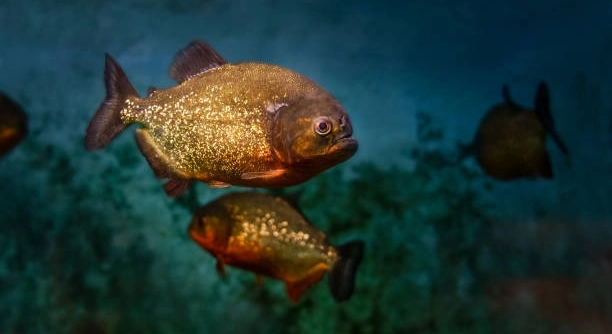
Piranhas are fascinating fish with strong appetites and specific dietary needs. Knowing what foods can upset their digestion helps keep them healthy and active. Not all foods are safe or suitable for their delicate systems.
Certain foods such as high-fat items, processed human food, spicy ingredients, and some plant matter can cause digestive trouble in piranhas. Feeding inappropriate items may lead to bloating, constipation, or other health problems, impacting their well-being significantly.
Understanding which foods to avoid is important for maintaining your piranha’s health. This article explains common triggers and how to protect your fish from digestive issues.
Fatty and Oily Foods
Fatty and oily foods are often a problem for piranhas because their digestive systems are not designed to handle heavy fats. Feeding them fatty meat scraps or oily fish can slow digestion and cause discomfort. These foods can lead to bloating and buildup in their intestines. Over time, this may weaken their immune system and make them prone to infections. It’s important to stick with lean protein sources and avoid any fatty leftovers from human meals. Piranhas naturally eat fresh, lean fish and small animals, so fatty foods are an unnatural addition to their diet. Watching what you feed them closely helps prevent long-term health problems. Keeping their diet balanced and clean supports their energy and activity levels, making sure they thrive in captivity. Always choose appropriate foods to maintain their digestive health and overall wellbeing.
Feeding low-fat, lean protein helps piranhas digest food efficiently and stay healthy.
Knowing how fatty foods affect your piranha’s system can guide you in choosing the right diet to avoid digestive trouble.
Processed Human Foods
Processed human foods are never a good option for piranhas. These items often contain additives, preservatives, salt, and spices that can irritate their digestive tracts. Common snacks or leftovers like bread, chips, or cooked meat with seasoning can cause serious digestive upset. The chemicals and flavorings are foreign to piranhas and may cause inflammation or blockages. Even small amounts can be harmful over time, disrupting normal digestion and leading to health issues. Unlike natural prey, processed foods lack essential nutrients and do not support proper growth. It’s best to avoid giving any human food to your piranhas. Sticking to a natural diet mimics what they would eat in the wild and reduces risks. If you want to treat your fish, choose fresh or frozen foods meant for carnivorous fish, which are safer and more nutritious. Keeping their meals simple and natural is key to their digestive health.
Spicy and Seasoned Foods
Spicy and heavily seasoned foods can upset piranhas’ sensitive digestive systems. Ingredients like chili, garlic, and pepper are not suitable for them.
These spices and seasonings can cause irritation in the stomach lining and intestines. Unlike humans, piranhas cannot tolerate these strong flavors, which may lead to inflammation or discomfort. Over time, feeding spicy foods may reduce their appetite and weaken their digestive efficiency. Their natural diet is bland and protein-focused, so introducing spicy or seasoned foods only risks harm. Keeping their meals plain and free of additives ensures they digest properly and stay healthy.
Avoiding spicy and seasoned foods prevents unnecessary stress on your piranha’s digestive tract. Offering fresh, natural prey items supports their wellbeing without complications from harsh ingredients.
Plant-Based Foods
Many plant-based foods are difficult for piranhas to digest, especially those high in fiber. Leafy greens, fruits, or vegetables often cause digestive blockages or gas. Piranhas are primarily carnivores, so their digestive enzymes are tuned for animal protein, not plant matter. Feeding them too many plants can lead to poor nutrient absorption and discomfort. Some plants might even contain toxins or irritants that harm their intestines. Occasionally, small amounts of certain soft plant parts might be safe, but it’s best to avoid regular feeding of plant-based foods. Providing mostly protein-rich diets keeps their digestive system working efficiently and prevents health issues related to improper digestion.
Choosing appropriate food types is essential to avoid upsetting your piranha’s digestion. Staying close to their natural diet will keep them healthier and more active in the long run.
Dairy Products
Dairy products are not suitable for piranhas because they cannot digest lactose. Feeding milk, cheese, or yogurt can cause digestive upset.
These foods may lead to diarrhea and discomfort since piranhas lack the enzymes needed to break down dairy sugars properly.
Bread and Baked Goods
Bread and other baked goods contain ingredients like yeast, flour, and sugar that piranhas cannot digest well. These foods can cause bloating and blockages in their digestive tract. They also provide no nutritional value and may introduce harmful additives. Feeding bread often results in poor health and should be avoided completely to keep your piranha’s digestive system clear and functioning properly.
Citrus Fruits
Citrus fruits are acidic and can irritate piranhas’ digestive systems. The acidity may cause inflammation and discomfort, making citrus an unsafe choice for their diet.
What foods are safest for piranhas to eat?
Piranhas do best on a diet rich in fresh, lean proteins. Small fish, insects, shrimp, and worms are ideal choices. These foods closely resemble what they would find in their natural environment. Avoid anything fatty, processed, or heavily seasoned. Feeding natural prey supports their digestion and overall health, keeping them active and strong.
Can feeding fatty foods cause long-term health problems for piranhas?
Yes, regularly feeding fatty or oily foods can lead to serious digestive issues. Fat slows digestion and can cause bloating, constipation, or intestinal blockages. Over time, this stress can weaken the immune system and make piranhas more vulnerable to infections. It’s best to avoid fatty scraps and stick with lean proteins to ensure their long-term wellbeing.
Why should I avoid giving human processed foods to piranhas?
Processed foods often contain salt, preservatives, and spices that are harmful to piranhas. These additives can irritate their digestive tract and lead to inflammation or blockages. Such foods also lack the nutrients piranhas need, so they do not support growth or health. Giving only natural, fresh foods prevents these problems.
Are there any safe plant foods for piranhas?
Piranhas are mainly carnivores, so plant foods are generally hard for them to digest. While some soft plant matter may be tolerated occasionally, most vegetables, fruits, and leafy greens cause gas or blockages. It’s best to limit plant foods and focus on protein-rich diets to keep digestion smooth.
What happens if a piranha eats dairy products?
Piranhas cannot digest lactose, the sugar found in dairy. Feeding milk, cheese, or yogurt can cause diarrhea and stomach discomfort. Since they lack the enzyme to break down lactose, dairy products should be completely avoided to protect their digestive health.
Is it safe to feed bread or baked goods to piranhas?
No, bread and baked goods contain ingredients like flour, yeast, and sugar that piranhas cannot digest properly. These foods can cause bloating and digestive blockages. They also offer no nutritional benefit and may contain additives that harm fish. Avoid these items entirely.
Why are spicy or seasoned foods harmful to piranhas?
Spices like chili, garlic, or pepper can irritate piranhas’ stomach lining and intestines. Their digestive systems are sensitive and not built to handle strong seasonings. Feeding spicy foods can cause inflammation, reduce appetite, and impair digestion. Keeping meals plain is safest.
Can citrus fruits cause problems for piranhas?
Yes, citrus fruits are acidic and can irritate the digestive system of piranhas. This acidity can cause inflammation and discomfort, which may lead to poor digestion or illness. It’s best to avoid giving any citrus or acidic fruits to your fish.
How do I know if my piranha is having digestive trouble?
Signs of digestive issues include bloating, loss of appetite, lethargy, and unusual swimming behavior. You may also notice constipation or stringy feces. If these symptoms appear, check the diet and remove any suspect foods. Consult a vet if problems persist.
Can occasional treats harm my piranha’s digestion?
Occasional treats are less likely to cause problems if they are natural and appropriate. However, treats should never include processed, fatty, or spicy foods. Sticking to a consistent, natural diet reduces the risk of digestive upset while allowing occasional variety safely.
When it comes to feeding piranhas, keeping their diet simple and natural is the best approach. Their digestive systems are designed for fresh, lean animal proteins, and introducing foods that do not match these needs can cause problems. Fatty foods, processed human snacks, spicy items, and many plant-based foods are difficult for piranhas to digest and can lead to discomfort or health issues. Paying close attention to what your piranha eats helps prevent digestive trouble and supports their overall wellbeing.
Avoiding foods that irritate or upset the digestive tract is important. Foods like dairy, bread, and citrus fruits are not suited for piranhas and should not be part of their diet. These items can cause inflammation, blockages, or other digestive problems. Choosing fresh fish, insects, or shrimp, and avoiding processed or seasoned foods, will keep your piranha’s digestion working smoothly. A consistent and appropriate diet allows your fish to stay active, healthy, and less prone to illness caused by digestive distress.
Finally, watching for signs of digestive issues in your piranha can help catch problems early. If you notice bloating, loss of appetite, or strange behavior, consider what the fish has been eating and make changes if needed. Maintaining good water quality and offering the right foods are key to your piranha’s health. A balanced diet focused on their natural eating habits will give your fish the best chance at a long and healthy life.

Hello,
If you enjoy the content that we create, please consider saying a "Thank You!" by leaving a tip.
Every little bit helps us continue crafting quality advice that supports the health, happiness, and well-being of pets around the world, for pets of all shapes, sizes, and species.
We really appreciate the kindness and support that you show us!