
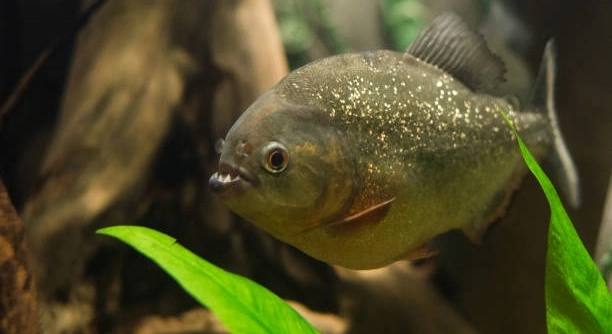
Are your peaceful tank fish suddenly acting more aggressive than usual, leaving you confused and worried about their behavior?
Aggression in tanks is often caused by avoidable mistakes related to environment, space, and species compatibility. These issues can create stress, territorial disputes, and even physical harm among fish.
Understanding what might be going wrong can help you create a calmer, safer tank. The following guide breaks down seven common mistakes you might not know you’re making.
Overcrowding the Tank
Keeping too many fish in one tank can create a stressful environment. Fish need space to swim, hide, and establish their own territories. When the tank is overcrowded, aggression often increases as fish compete for limited resources like food and shelter. Some species are more sensitive to crowding than others, so it’s important to research the specific needs of your fish before adding them. A small tank packed with fish doesn’t just cause aggression—it can also lead to poor water quality, which makes the fish even more uncomfortable. A general rule is to provide one gallon of water per inch of fish, but this can vary depending on the species. Filters and tank maintenance help, but space is key. If you notice chasing, nipping, or hiding behaviors, it may be time to reduce the number of fish or upgrade to a larger tank.
Overcrowding also leads to more waste, making the water dirty faster. This adds to stress.
Providing adequate room helps fish establish natural behavior patterns and reduces the need to fight. When fish feel safe and unpressured, they are more likely to coexist peacefully. Start by re-evaluating your tank size and consider rehoming extra fish if needed.
Incompatible Species
Some fish just don’t get along, no matter how ideal the tank conditions seem. Compatibility matters.
Introducing fish with aggressive tendencies into a tank with peaceful species can trigger conflict quickly. Even fish of the same species can clash if their temperaments differ. Researching the temperament, activity level, and social behavior of each type of fish is essential. Mixing fish that prefer different water temperatures or pH levels also creates stress, which can lead to defensive or hostile actions. For example, cichlids tend to be more territorial and can intimidate or attack more passive fish like guppies. Sometimes, new fish might look peaceful at the store but turn aggressive in a confined home tank. It’s always safer to consult care guides and aquarium communities before adding a new fish. Avoid placing slow swimmers with fast or nippy species, and be cautious when combining fish that are known to be territorial, especially during feeding times or breeding seasons.
Lack of Hiding Spots
When fish don’t have places to hide, they feel exposed and unsafe. This stress can lead to increased aggression, especially in species that are naturally shy or territorial.
Adding plants, rocks, and decorations creates visual barriers and safe zones for fish to rest or retreat. These hiding spots reduce confrontations by giving fish places to escape from dominant tank mates. Without them, fish are more likely to fight over open space. Make sure each fish has access to at least one shelter. For bottom dwellers, caves and tunnels work well. Tall plants help mid and top swimmers. Even artificial plants can work in a pinch. Rearranging décor can also break up territories if aggression becomes a problem. Just be sure not to overcrowd the tank while adding shelters—balance is important. The right setup can calm your fish and help restore peaceful behavior.
Shelters are not only important for territorial species. Even active or social fish need occasional breaks. During feeding, hiding spots allow less dominant fish to eat without being chased away. When aggression flares up, these safe zones become even more useful. Try observing where your fish tend to gather or hide, then adjust the setup to support those patterns.
Poor Feeding Practices
Feeding your fish too little or too sporadically can spark aggressive behavior. Hungry fish often compete, leading to nipping, chasing, or even injuries during meals.
Inconsistent feeding causes unnecessary stress and encourages dominant fish to bully weaker ones away from food. Overfeeding also creates problems, like leftover waste that harms water quality. The key is to find a consistent schedule and provide the right amount based on species and tank size. Some fish, especially fast swimmers, may snatch food quickly, leaving slower ones hungry. To avoid this, try spreading the food across the surface or using sinking pellets to reach bottom dwellers. Consider feeding in two small portions rather than one large one to give every fish a fair chance. If needed, isolate aggressive feeders during meals. Careful feeding habits make a big difference in keeping a peaceful and balanced tank.
Inconsistent Lighting
Too much or too little light can throw off your fish’s natural behavior. Bright lights without rest periods may cause stress, which leads to aggressive outbursts, especially in sensitive or territorial fish.
Keeping a regular light schedule helps fish feel more secure. Use a timer to create a clear day-night cycle.
Improper Tank Cycling
New tanks need time to build beneficial bacteria that help manage waste. If the tank isn’t fully cycled, toxins like ammonia and nitrite can spike quickly. This irritates fish, weakens their health, and increases aggressive behavior. A proper cycle takes patience—rushing this step often leads to long-term issues in the tank.
Sudden Environment Changes
Quick shifts in temperature or pH can shock your fish. Stress from these changes often shows up as increased aggression or hiding. Always test your water before adjusting anything and make changes slowly.
FAQ
Why is my fish suddenly aggressive after being peaceful for weeks?
Sudden aggression can happen when something in the tank environment changes. It could be a new fish, a change in water temperature, poor water quality, or a shift in territory. Fish are sensitive to even small disruptions. A peaceful fish may turn defensive if it feels threatened or stressed. It’s important to monitor water parameters, feeding patterns, and behavior shifts. Recheck tank layout too—territorial fish may need more hiding spots or space. Also, some fish become more aggressive as they mature, especially during breeding periods. If none of these apply, consider separating the aggressive fish temporarily to reduce tension.
Can one aggressive fish affect the behavior of the entire tank?
Yes, one aggressive fish can create a ripple effect throughout the tank. Fish sense stress, and constant chasing or nipping puts the others on edge. This can cause normally calm fish to become defensive, hide more often, or stop eating. If the aggressive fish is not removed or isolated, the stress can lower the immune system of tank mates, making them more prone to illness. In a peaceful community tank, even one bully can disrupt the balance. It’s best to address the issue early—either by rehoming the aggressive fish, adding more space, or adjusting the tank setup to break line of sight.
Do fish fight over food even if I feed them regularly?
Yes, fish can still fight over food even with regular feeding. Some are just more dominant and try to take more than their share. If food is placed in one spot, the stronger fish might chase others away. To avoid this, spread food across different areas or use feeding rings. Feed slow or shy fish separately if needed. Using a mix of floating and sinking food can help reach all areas of the tank. In tanks with mixed species, it’s common to see surface eaters overpower bottom dwellers. Observe feeding time and adjust the method to keep things peaceful.
How long should I keep the tank lights on each day?
Most tanks do well with 8 to 10 hours of light per day. Too much light can stress fish, cause aggression, and even promote algae growth. Too little light, on the other hand, may affect fish activity and plant health. A reliable way to control lighting is by using a timer. This keeps the day-night cycle consistent. Fish feel more comfortable when their environment is predictable. Avoid turning lights on and off suddenly—gradual changes are better. Also, give fish a dark period at night so they can rest. If aggression rises at certain times, check your light schedule.
Can tank decorations really reduce aggression?
Absolutely. Decorations like caves, rocks, and plants break up the tank space and help create safe areas. Fish use these spots to rest or escape from dominant tank mates. Visual barriers prevent fish from seeing each other constantly, which lowers stress and territorial behavior. Some fish even claim certain decorations as their personal zones. Without these features, fish are forced to interact more, which often leads to conflict. Natural or artificial decorations both work, as long as they are safe and don’t take up too much room. Always arrange the tank in a way that supports separation and hiding.
Is it normal for fish to act aggressive during breeding?
Yes, breeding can cause a temporary rise in aggression. Many species become territorial when protecting eggs or fry. Males may chase other fish away from the breeding area, and females might become more defensive. This is natural behavior but can be stressful for the rest of the tank. If breeding aggression becomes a problem, consider separating the breeding pair into a different tank. Adding more hiding spots can also help reduce stress for non-breeding fish. Once the breeding phase is over, most fish return to their normal behavior. Keep an eye on interactions and be ready to adjust as needed.
What should I do if aggression won’t stop even after changes?
If you’ve tried adjusting tank size, adding hiding spots, checking water quality, and spreading out food, but the aggression continues, you may need to isolate the aggressive fish. Some fish simply do better alone or with only certain species. Use a tank divider or move the aggressive fish to another tank temporarily. Observe whether the behavior improves in the main tank. Sometimes removing one fish can change the whole dynamic. Also, make sure all fish in the tank are healthy—illness can trigger odd behavior. Keep notes on what works and be patient. It can take time to find the right balance.
Final Thoughts
Aggression in tanks can feel frustrating, especially when everything seems fine on the surface. But fish behavior is often a reflection of their environment. Small things like overcrowding, missing hiding spots, or inconsistent care can build up over time. Even fish that once got along may change behavior due to stress, age, or changes in tank setup. The key is to observe your tank regularly. Watching how fish move, eat, and interact can give you early signs of tension. You don’t need fancy tools—just attention and a willingness to make adjustments when needed.
Creating a peaceful tank is not about having the perfect setup from the start. It’s about learning and making thoughtful changes when something doesn’t feel right. You might need to try different decorations, rearrange the tank, or switch feeding routines. Sometimes, separating certain fish is the best option. And that’s okay. What works for one tank might not work for another, because each tank has its own mix of personalities, species, and conditions. Staying flexible and open to change helps you find what brings balance to your setup. It also helps you better understand the individual needs of your fish.
Maintaining a healthy tank goes beyond just water tests and cleaning schedules. It includes keeping stress levels low, providing enough space, and making sure every fish feels safe. Aggression can often be reduced or even avoided with small, thoughtful steps. And when problems do come up, they’re often easier to solve than they first appear. Trust your observations, be patient, and don’t be afraid to make changes. Over time, your tank will settle into a routine, and your fish will show more natural and relaxed behavior. A calm tank is not only better for your fish—it also makes the entire experience more rewarding for you.

Hello,
If you enjoy the content that we create, please consider saying a "Thank You!" by leaving a tip.
Every little bit helps us continue crafting quality advice that supports the health, happiness, and well-being of pets around the world, for pets of all shapes, sizes, and species.
We really appreciate the kindness and support that you show us!