
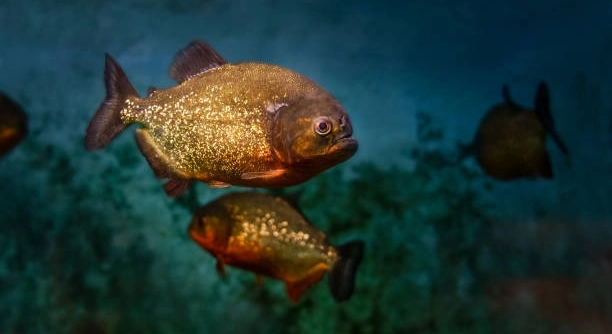
Acclimating a piranha to a new tank is essential for its health and well-being. Properly introducing the fish reduces stress and helps it adjust to the new environment smoothly. This process requires patience and careful observation.
The best approach to acclimate a piranha involves gradually adjusting the water conditions, including temperature and pH, to match the new tank. Slow introduction minimizes shock and promotes adaptation, preventing illness and ensuring a stable transition.
Following these steps will help your piranha settle comfortably. Understanding the acclimation process supports a healthy and thriving aquatic environment for your fish.
Preparing the New Tank
Before introducing your piranha to its new home, it is important to prepare the tank carefully. Clean the tank thoroughly to remove any harmful residues or chemicals. Fill the tank with fresh, dechlorinated water and make sure the temperature is stable, ideally between 75 and 80 degrees Fahrenheit. Test the water’s pH and hardness to ensure they fall within the suitable range for piranhas, usually around 6.5 to 7.5 pH. Adding a filtration system that provides strong water flow and oxygenation is necessary to maintain water quality. Include hiding spots such as plants or decorations to help the piranha feel secure. Avoid overcrowding the tank; one adult piranha per 20 gallons is recommended. Maintaining these conditions reduces stress and creates a healthy environment, which is crucial for the fish’s acclimation process and long-term health.
Proper preparation of the tank establishes a stable environment that supports the piranha’s well-being. This step reduces the risk of illness and stress.
Ensuring water parameters closely match the piranha’s natural habitat is key. Temperature and pH stability prevent shock during transfer. Cleanliness is essential to avoid infections. Setting up adequate filtration and hiding spaces promotes a calm atmosphere. This preparation phase sets the foundation for successful acclimation and helps your piranha adjust comfortably to its new tank.
Gradual Water Acclimation
Slowly adjusting the fish to the new water conditions is critical for its survival.
To acclimate your piranha, start by floating its sealed bag in the tank for 15 to 20 minutes to equalize temperatures. Next, open the bag and add small amounts of tank water into the bag every 10 minutes over an hour. This gradual mixing allows the fish to adapt to differences in pH, hardness, and other water chemistry factors without shock. Once the water in the bag matches the tank’s water, gently transfer the piranha using a net, avoiding pouring the bag water into the tank. This method prevents introducing contaminants. Patience during this process helps minimize stress and reduces the risk of health problems related to sudden environmental changes.
This careful water acclimation helps ensure a smooth transition and better adjustment for your piranha.
Monitoring Behavior After Transfer
Watch your piranha closely during the first 48 hours in the new tank. Look for signs of stress like hiding, rapid gill movement, or loss of appetite. These behaviors indicate the fish is still adjusting or may be unwell.
Stress in piranhas often comes from sudden environmental changes. Maintaining stable water parameters helps reduce this stress. If you notice persistent signs of distress, check water quality and consider adjusting temperature or filtration. Sometimes, slight changes can improve comfort. Provide a quiet, low-light environment to help the fish settle.
Feeding should be minimal during this period. Offer small amounts of familiar food to avoid overwhelming the fish. Patience is important as acclimation varies by individual piranha. Continued observation allows you to intervene early if problems arise, ensuring the fish’s health and well-being.
Maintaining Ideal Water Conditions
Maintaining consistent water quality is crucial for your piranha’s health and long-term survival. Regular testing and adjustments prevent harmful fluctuations.
Water parameters such as temperature, pH, ammonia, nitrite, and nitrate levels must remain stable. Weekly partial water changes of about 20% help keep conditions optimal. Avoid sudden shifts in temperature or pH to prevent stress. Use a reliable heater and thermometer to monitor temperature consistently. Employ quality filtration to remove waste and toxins efficiently. Maintaining good water circulation and oxygenation supports metabolic functions. Proper care and monitoring of these conditions create an environment where your piranha can thrive without unnecessary stress or health risks.
Consistent water maintenance reduces disease risks and supports natural behaviors. A well-kept tank promotes longevity and vitality in your piranha, making daily care easier and more rewarding.
Feeding After Acclimation
Start feeding your piranha lightly after it shows interest in the new tank. Offer small portions of its regular diet to avoid overfeeding.
Observe how your piranha responds to food during the first few days. A healthy appetite indicates successful acclimation and good health.
Avoiding Common Stress Factors
Keep the tank environment calm by minimizing loud noises and sudden movements near the tank. Excessive disturbances can increase stress levels in piranhas, affecting their adjustment and immune system.
Provide hiding places and maintain consistent lighting to create a stable environment that supports the fish’s comfort and reduces anxiety.
Quarantine for New Fish
Quarantining new fish for at least two weeks before introducing them to the main tank prevents the spread of diseases. This step is crucial to protect your piranha and other tank inhabitants from infections and parasites.
Signs of Poor Acclimation
Look for lethargy, clamped fins, or discoloration, which often signal acclimation problems or illness. Early detection allows for prompt intervention and care.
How long does it take to acclimate a piranha to a new tank?
Acclimating a piranha generally takes several hours, with the water acclimation process itself lasting around one to two hours. However, the overall adjustment period may extend over several days as the fish adapts to its new environment and establishes comfort.
Can I add my piranha directly to the new tank?
No, adding a piranha directly to the new tank is not recommended. Sudden changes in temperature, pH, or water chemistry can cause shock or stress. Gradual acclimation through temperature and water mixing steps is necessary to prevent health issues.
What temperature is best for a piranha tank?
Piranhas thrive best in water temperatures between 75°F and 80°F (24°C to 27°C). Maintaining a stable temperature within this range is crucial for their metabolism, immune system, and overall well-being.
Is it necessary to quarantine new piranhas?
Yes, quarantining new piranhas for at least two weeks before adding them to the main tank is important. This practice helps identify and prevent the spread of diseases or parasites that could harm your existing fish.
How often should I feed my piranha during acclimation?
During acclimation, feed your piranha sparingly—offer small portions once or twice a day. Overfeeding can cause water quality issues and stress. Once fully acclimated, feeding can be adjusted to the fish’s normal routine.
What are signs my piranha is stressed?
Common signs of stress include hiding for long periods, rapid gill movement, loss of appetite, clamped fins, and erratic swimming. Stress can be caused by poor water quality, sudden environmental changes, or lack of hiding spots.
How do I test the water for piranhas?
Use aquarium test kits to regularly check pH, ammonia, nitrite, nitrate, and temperature. Maintaining proper levels—pH around 6.5 to 7.5 and zero ammonia and nitrite—is essential for healthy piranhas.
Can piranhas live with other fish?
Piranhas are aggressive and territorial. It is generally safer to keep them alone or with other piranhas of similar size in a sufficiently large tank. Mixing with smaller or passive fish often leads to aggression or injury.
How much space does a piranha need?
An adult piranha requires at least 20 gallons of tank space per fish. Providing ample space reduces aggression and promotes healthier behavior.
What should I do if my piranha refuses to eat after transfer?
Refusal to eat is common during acclimation due to stress. Ensure water conditions are stable, reduce disturbances, and try offering live or frozen foods to entice feeding. If the behavior persists beyond several days, evaluate water quality and health status.
How do I reduce stress during acclimation?
Minimize handling and loud noises around the tank. Provide hiding places and maintain stable lighting and water conditions. Slow water acclimation also helps lower stress.
Can I use tap water for the piranha tank?
Tap water can be used if properly treated to remove chlorine and chloramines. Use water conditioners before adding water to the tank to make it safe for piranhas.
How often should I change the water during acclimation?
During acclimation, water changes are not usually necessary. After acclimation, perform weekly partial water changes of about 20% to maintain water quality.
What types of food are best for piranhas?
Piranhas eat a diet of protein-rich foods such as fish fillets, shrimp, insects, and pellets formulated for carnivorous fish. Variety supports nutrition and keeps them healthy.
How do I know when my piranha is fully acclimated?
Signs include regular feeding, active swimming, normal coloration, and reduced hiding behavior. These indicate the fish has adapted to the new tank conditions.
Is it normal for piranhas to be aggressive after transfer?
Some aggression is normal as piranhas establish territory. Aggression should decrease over time once the fish settles in and tank space is sufficient.
What equipment is essential for piranha tank setup?
A reliable heater, strong filtration system, aeration devices, and hiding places are essential. These maintain stable water conditions and provide a comfortable environment.
Can lighting affect piranha acclimation?
Yes, sudden bright lighting can stress piranhas. Use moderate or dim lighting initially to help them adjust.
How do I handle a sick piranha after acclimation?
Isolate the sick fish in a quarantine tank. Test and improve water quality. Consult with a vet or aquatic specialist for appropriate treatments.
Is acclimation different for baby piranhas?
Baby piranhas require more delicate handling and slower acclimation. They are more sensitive to water quality changes and temperature fluctuations. Monitor closely during transition.
This FAQ covers common concerns to help ensure your piranha adjusts well to its new tank while staying healthy and stress-free.
Properly acclimating a piranha to a new tank is an essential step that can significantly impact its health and well-being. Taking the time to introduce the fish slowly into its new environment helps reduce stress and prevents shock from sudden changes in water temperature or chemistry. Careful attention to water parameters, gradual mixing of water between the old and new tanks, and patience during the initial adjustment period all contribute to a smoother transition. This process ensures that the piranha feels secure and comfortable, which is necessary for it to thrive in its new home.
Monitoring the fish closely after transfer is equally important. Observing changes in behavior, appetite, and appearance can provide early signs of stress or illness. Maintaining stable water conditions, providing hiding places, and minimizing disturbances support the piranha’s ability to settle in. Feeding routines should be adjusted thoughtfully, especially during the first few days, to avoid overfeeding or causing further stress. Consistency in care and environment helps build a stable habitat that promotes long-term health and reduces the risk of disease.
Overall, acclimating a piranha involves attention to detail and a calm, steady approach. It is a process that requires time and patience but pays off in the form of a healthier, more active fish. Following recommended practices for acclimation and ongoing care will help create a balanced tank environment where your piranha can live comfortably. This foundation is important not only for the piranha’s survival but also for maintaining a successful and enjoyable aquarium experience.

Hello,
If you enjoy the content that we create, please consider saying a "Thank You!" by leaving a tip.
Every little bit helps us continue crafting quality advice that supports the health, happiness, and well-being of pets around the world, for pets of all shapes, sizes, and species.
We really appreciate the kindness and support that you show us!