
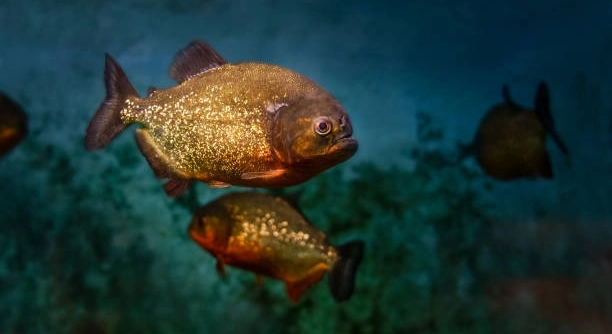
Piranhas are often known for their sharp teeth and fierce behavior, but they also have interesting responses to their environment. Among these responses, certain piranhas react strongly to sounds around them. This article highlights seven types of piranhas with notable sound sensitivity.
The seven piranhas identified demonstrate heightened auditory reactions that influence their behavior. These responses include increased movement, aggression, or alertness triggered by specific sound frequencies and intensities in their aquatic habitats. Understanding these reactions provides insight into their sensory capabilities.
Knowing which piranhas respond strongly to sound can help in understanding their behavior and improving care for them in captivity or study. The following details explore these species and their unique sound responses.
Red-Bellied Piranha and Sound Sensitivity
Red-bellied piranhas are among the most well-known species and exhibit clear reactions to sudden or loud noises. These fish can become alert and aggressive when exposed to unexpected sounds. In their natural environment, this reaction helps them detect potential threats or prey nearby. The sensitivity of their lateral line system allows them to pick up vibrations and low-frequency noises underwater. In captivity, this means that loud banging or tapping on the tank can stress them out and cause agitation. Caretakers should avoid noisy environments to keep these piranhas calm. Their response to sound is an important survival trait, enabling quick reactions to changes in their surroundings. This auditory sensitivity contributes to their reputation for being fierce, especially when startled.
Their sound sensitivity aids in both defense and hunting behavior, demonstrating an evolved response to acoustic stimuli in their habitat.
When keeping red-bellied piranhas, it is important to minimize loud noises to reduce stress and maintain their well-being. A quieter tank environment supports healthier and less aggressive behavior.
Black Piranha: Behavioral Changes with Sound
Black piranhas display a different pattern of response compared to red-bellied types. They tend to react more cautiously but become visibly more alert when exposed to repetitive or continuous sounds. In nature, this allows them to monitor for nearby activity without expending too much energy. Unlike sudden loud noises that trigger immediate aggression, continuous low-level sounds increase their vigilance over time.
This species relies heavily on sound cues to regulate their activity levels, especially during feeding and territorial defense. Research shows that black piranhas use auditory signals to coordinate movements within groups. In controlled environments, their reaction to sound can indicate stress or excitement depending on the frequency and duration. Understanding these responses helps in designing habitats that consider acoustic comfort. Reducing background noise and sudden disturbances improves their overall behavior and health in captivity. Managing sound exposure is essential for maintaining stable social dynamics among black piranhas and preventing unnecessary conflict.
Controlling the sound environment supports their natural behaviors and promotes a balanced aquatic habitat.
Red Hook Piranha’s Reaction to Sound
Red hook piranhas respond quickly to sharp noises in their environment. Their alertness increases with sudden sounds, causing them to move or hide.
This species uses sound to detect danger and prey. Their quick reaction to noise helps them survive in fast-changing surroundings. They prefer calm waters but are very sensitive to abrupt sounds. Loud disturbances may cause stress, making them less active or aggressive. Their strong auditory senses are crucial for communication within their groups, especially during feeding. Red hook piranhas rely on these signals to coordinate attacks and avoid threats.
Managing noise levels in captivity is essential for maintaining their well-being. A stable environment allows them to behave naturally and reduces unnecessary stress that can weaken their immune system.
Wimple Piranha and Sound Sensitivity
Wimple piranhas show moderate sensitivity to underwater sounds. They tend to become more active when exposed to low-frequency noises.
These piranhas use sound as part of their hunting strategy, detecting movements of smaller fish. They are less reactive to sudden loud sounds but more responsive to ongoing background noise. This helps them distinguish between threats and normal environmental sounds. In captivity, constant noise may lead to increased agitation, but occasional sounds can stimulate natural behavior. Their auditory system is well-developed to filter relevant signals from ambient noise, enhancing survival chances in the wild.
Providing a balanced sound environment in tanks helps Wimple piranhas remain calm while allowing their instincts to engage during feeding or interaction with other fish.
San Francisco Piranha’s Sound Response
San Francisco piranhas react strongly to sudden noises. This triggers a defensive behavior that includes quick movements and alert posturing.
Their sensitivity helps them avoid predators by detecting vibrations early. This reaction is key for their survival in fast-flowing rivers where sound travels quickly and signals danger.
Golden Piranha and Acoustic Stimuli
Golden piranhas use sound to communicate within their groups. They respond to low-frequency noises by gathering or becoming more active. This species’ reaction to sound is more social than aggressive, helping maintain group cohesion. Understanding these patterns is important for managing their environment effectively in captivity.
Black Spot Piranha Sound Reaction
Black spot piranhas increase vigilance when exposed to continuous underwater noises. This heightened alertness can influence their feeding and social behaviors.
What makes piranhas react strongly to sound?
Piranhas have highly sensitive lateral lines and inner ear structures that detect vibrations and sound waves in the water. These systems help them sense movement and changes in their environment. Sound can signal nearby prey, predators, or other piranhas. Their reactions are survival mechanisms, helping them respond quickly to potential threats or opportunities.
How do different piranha species respond to sound?
Different species show varying sensitivity to sound. Some, like the red-bellied piranha, react aggressively to sudden loud noises, while others, such as the black piranha, show cautious alertness to continuous low-frequency sounds. These differences depend on their habitat, behavior, and social structure, affecting how they use sound for communication and defense.
Can loud noises stress piranhas in captivity?
Yes, loud and sudden noises can cause stress in piranhas kept in tanks. Stress weakens their immune systems and may lead to erratic or aggressive behavior. Minimizing loud sounds, tapping, or vibrations near the tank creates a calmer environment that supports their health and natural behavior.
How can I reduce sound stress for piranhas in my aquarium?
Place the tank in a quiet room away from heavy foot traffic, loud music, or appliances that cause vibrations. Use tank covers or sound-absorbing materials around the aquarium to dampen external noise. Avoid tapping on the glass or sudden movements near the tank, as these can startle the fish.
Do piranhas use sound to communicate with each other?
Yes, piranhas often use sound as a communication tool, especially within groups. Low-frequency noises can signal warnings, coordinate hunting, or establish territory. These acoustic signals help maintain social order and synchronize group behavior, particularly in species like the golden piranha.
Are all piranhas equally sensitive to sound?
No, sensitivity varies by species and individual fish. Some piranhas live in noisy, fast-flowing rivers and have adapted to ignore constant background noise, while others are more reactive to subtle sound changes. Their auditory abilities are shaped by their ecological niche and survival needs.
Can sound influence piranha feeding behavior?
Yes, sound can trigger feeding responses. Piranhas may become more active or aggressive when they hear noises associated with prey movements. In captivity, some keepers use tapping or water surface disturbances to encourage feeding, but it should be done carefully to avoid causing stress.
What types of sounds affect piranhas the most?
Sudden, loud noises and low-frequency vibrations tend to have the strongest effects. Sudden noises usually cause immediate alert or defensive reactions, while low-frequency sounds can increase vigilance or social interaction over time. High-frequency sounds generally have less impact underwater due to limited transmission.
Is it possible to train piranhas to ignore certain sounds?
To some extent, yes. Fish can become habituated to repeated, non-threatening sounds if exposure is gradual and consistent. However, loud or sudden noises will likely continue to provoke strong reactions. Habituation requires patience and a stable environment to reduce stress over time.
Why do piranhas sometimes appear calm despite loud environments?
Piranhas in noisy habitats may tune out constant background noise to conserve energy and avoid unnecessary reactions. This selective attention allows them to focus on meaningful sounds like predator warnings or prey movements, showing how they adapt to their environment.
Can sound sensitivity indicate piranha health?
Changes in response to sound may reflect health or stress levels. Overly aggressive or lethargic reactions can signal problems like illness, poor water quality, or injury. Observing their sound response helps caretakers monitor well-being and adjust conditions accordingly.
Should I consider sound when designing a piranha tank setup?
Absolutely. Tank location, insulation, and the use of background noise or silence all affect piranha behavior and health. Creating a calm, controlled acoustic environment helps reduce stress and encourages natural behavior, improving overall fish welfare.
How do wild piranhas use sound in their daily life?
Wild piranhas rely on sound to detect prey, avoid predators, and communicate with their group. Their aquatic environment carries vibrations well, making sound a critical sensory input. These natural sound cues guide movement, feeding, and social interactions throughout the day.
Are piranhas more sensitive to sound during certain times?
Yes, their sensitivity can increase during feeding, breeding, or territorial defense. During these periods, sound cues are more important for coordination and alertness. This heightened awareness helps them react effectively to changes and maintain group structure.
Can aquarium owners simulate natural sound conditions for piranhas?
Some owners use gentle water movement or soft background noise to mimic natural habitats. This can provide stimulation and reduce boredom. However, care must be taken to avoid overly loud or constant noise that causes stress or disrupts normal behavior.
What should I avoid to protect my piranhas from harmful sound exposure?
Avoid banging on the tank, loud music, nearby construction noise, or placing the aquarium on vibrating surfaces. Sudden disruptions and high-intensity noise can damage their sensory systems and increase stress, negatively impacting health and behavior.
Final thoughts on how piranhas react to sound highlight the importance of understanding their sensory world. These fish are naturally equipped to detect vibrations and noises in the water, which plays a key role in their survival. Sound helps them find food, avoid predators, and communicate with each other. Different species show varying levels of sensitivity, but most piranhas respond quickly to sudden or low-frequency sounds. This ability is a result of millions of years of adaptation to their environments, where sound travels easily through water and provides crucial information.
When keeping piranhas in captivity, it is important to consider their sound sensitivity. Loud or sudden noises can cause stress, which affects their health and behavior. Stress can make piranhas aggressive or inactive, which is not ideal for their well-being or the safety of other tank inhabitants. Creating a calm environment with minimal disruptive noise helps maintain their natural behavior and overall health. Using sound-absorbing materials, placing tanks away from noisy areas, and avoiding tapping on the glass are simple ways to reduce stress. Recognizing how sound affects these fish can help owners provide better care and promote a healthier habitat.
Finally, paying attention to piranhas’ reactions to sound can offer insight into their condition. Changes in response, such as increased aggression or lethargy, might indicate stress or illness. By monitoring their behavior related to sound, caretakers can detect problems early and make necessary adjustments to water quality, tank setup, or feeding routines. Understanding and respecting their sensory needs allows for a more balanced relationship with these fascinating fish. Sound plays a vital role in their lives, both in the wild and in captivity, and it should be a key consideration for anyone interested in their care.

Hello,
If you enjoy the content that we create, please consider saying a "Thank You!" by leaving a tip.
Every little bit helps us continue crafting quality advice that supports the health, happiness, and well-being of pets around the world, for pets of all shapes, sizes, and species.
We really appreciate the kindness and support that you show us!