
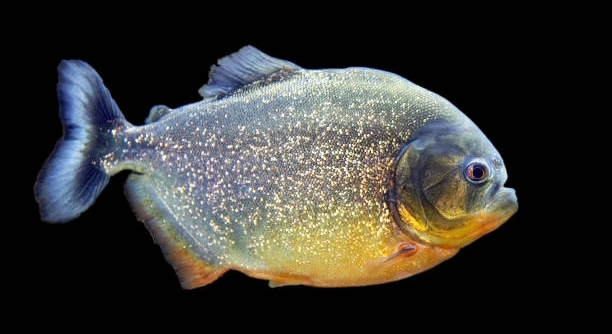
Do you ever find yourself trying to take a nice photo of your piranha, only to end up with a blur or an empty tank?
The best way to photograph your piranha without startling it is by using indirect lighting, moving slowly, and shooting through clean glass. These steps help avoid sudden movements or reflections that could cause stress.
Understanding how light, timing, and calm behavior affect your fish can make a big difference in your aquarium photography results.
Tip 1: Set Up the Tank Area Before You Begin
Before you even pick up your camera, take a few minutes to prepare the tank area. Wipe the glass inside and out to avoid blurry spots or glare. Remove any clutter around the tank that might reflect light. Turn off nearby room lights and rely on soft, indirect lighting aimed from the side or above. Avoid bright flashes or sudden beams, as these can make your piranha dart away or hide. Keep the area quiet and stay calm as you move around. Your piranha is sensitive to changes, and reducing activity helps keep it visible and still.
Use a plain background behind the tank if possible. This helps keep the photo focused and prevents distractions.
A clean, simple setup not only keeps your piranha calm but also makes it easier to capture sharper and more detailed images. Light preparation pays off once your camera is in hand.
Tip 2: Know Your Piranha’s Behavior
Observing your piranha’s daily patterns can help you know the best times to photograph it.
Many piranhas are most relaxed and visible just after feeding or during calm periods in the day. Choose these windows instead of chasing it around the tank. Sudden movements, tapping on the glass, or loud sounds will only stress the fish and ruin your shot. If your piranha swims near the front of the tank at certain times, use that moment. Sit nearby for a few minutes before taking pictures to let the fish get used to your presence. Staying still and calm makes a big difference. Using a tripod helps limit camera movement, keeping your setup steady. Also, avoid placing your camera lens directly against the glass—this can startle the fish and cause glare. Instead, stay just a few inches back and zoom in gently if needed. These small efforts help you capture a natural, calm pose without disturbing your fish.
Tip 3: Use the Right Camera Settings
Fast shutter speed is important to avoid motion blur, especially if your piranha is moving. Aim for at least 1/250. Keep ISO low to reduce grain, and adjust aperture for depth.
If your camera allows manual settings, use them to control the light and sharpness. A lower ISO like 200 or 400 keeps the image clear, but you may need extra lighting to balance exposure. Use a wide aperture like f/2.8 for a soft background, or f/8 for more focus. If you’re using a phone, tap to focus on the eye and avoid zooming too much—it’s better to crop later. Avoid using the flash directly; it creates harsh reflections and can spook your piranha. Soft LED lights or daylight from a window work better. Play around with white balance to get accurate colors through the glass.
Patience matters with settings. Take multiple shots to find the one that works best. Small adjustments in exposure or focus can turn an okay picture into a great one. Always review photos before moving on—you might catch a minor reflection or blur that’s easy to fix early on. Once you find settings that work, stick with them to keep your results consistent and clean.
Tip 4: Avoid Reflections and Glare
Glass tanks often reflect whatever is around them, which ruins a clear shot. Wear dark clothes and turn off screens or lights near the tank.
Angle your camera slightly instead of shooting straight on. This reduces the chance of catching your own reflection. If needed, cover the area behind you with a dark towel or cloth. Reflections also happen from the inside of the glass, especially if there’s algae or buildup. Clean the tank with an aquarium-safe cloth before shooting. Use a lens hood if you have one—it helps block unwanted light from hitting the lens. Also, take photos at times when natural light is softer, like early morning or late afternoon. Harsh overhead lighting tends to bounce more and create bright spots on the glass. Even small shifts in your angle or lighting can remove glare completely.
Tip 5: Keep Movements Slow and Steady
Quick movements near the tank can startle your piranha and send it into hiding. Move your hands, camera, and body slowly as you position yourself.
Try sitting still for a minute before taking photos. Let your piranha get used to your presence before you lift the camera.
Tip 6: Take Breaks Between Shots
Your piranha can become stressed with constant camera clicks or movement. Take short breaks between bursts of photos. Step back, let your fish relax, then try again after a few minutes. Signs of stress include rapid swimming, hiding, or fading color. Avoid pushing too hard.
Tip 7: Edit Lightly for Natural Look
Post-processing helps fix small issues, but avoid heavy edits. Slight adjustments to brightness, contrast, and sharpness are often enough. Keep the fish’s colors and surroundings looking real.
FAQ
How do I know if my piranha is stressed during a photo session?
Look for quick, jerky swimming, hiding in corners, or loss of color. If your piranha darts around the tank or stays hidden after seeing the camera, it’s feeling stressed. Other signs include heavy breathing or sudden aggression. Stop the session and give it time to settle down. Avoid trying again right away. Give your fish at least an hour to calm down before attempting another photo. If it continues to hide every time you get near, reduce your presence near the tank for a day or two before trying again.
Can I use my phone camera instead of a DSLR?
Yes, most modern phone cameras can take great aquarium photos. Use the back camera instead of the front-facing one for better quality. Tap the screen to focus on the piranha’s eye and avoid using digital zoom—zooming in later during editing gives better results. Use natural or soft lighting and keep the lens clean. If your phone has a pro or manual mode, try lowering the ISO and adjusting focus manually for clearer results. A small tripod or phone stand can also help reduce motion blur and improve sharpness.
What lighting is best for photographing my piranha?
Soft, indirect lighting works best. Avoid overhead room lights or direct flashes, which reflect off the glass. LED aquarium lights with a color temperature around 6,500K bring out natural colors without being too harsh. You can also place a lamp beside the tank pointing at an angle. Use a piece of paper or cloth to diffuse the light if it feels too strong. Natural daylight from a nearby window is a great option if it doesn’t cast direct beams into the tank. Always keep lighting gentle and steady.
How often can I photograph my piranha without causing harm?
Limit sessions to once or twice a week if your fish stays calm. Watch for any stress signs and shorten sessions if needed. One or two short photo sessions a week, lasting no more than 10 minutes, is usually safe. If your piranha stays active, eats well, and doesn’t hide afterward, you can continue at that pace. If stress becomes noticeable, wait longer between sessions and focus more on calm interaction without the camera. Building trust over time helps make photography easier in the long run.
What camera settings work best for moving fish like piranhas?
Use a fast shutter speed—1/250 or faster—to freeze motion. Set a low ISO (around 200–400) to reduce noise and keep images sharp. Adjust your aperture based on how much of the tank you want in focus. Wider apertures (like f/2.8) blur the background, while narrower ones (like f/8) keep more in focus. If you’re using a phone, try a manual camera app that allows you to control these settings. Keep the camera steady and take multiple shots in burst mode to improve your chances of getting a clear image.
How do I remove glare or reflections in editing?
In editing, minor glare can be reduced by adjusting contrast, highlights, and shadows. Use crop tools to cut out areas with reflections. If you’re using advanced software like Lightroom or Snapseed, use selective editing tools to reduce brightness in specific spots. You can also try cloning or healing tools to fix small glare patches, though it’s best to avoid them during the photo shoot. The cleaner and clearer your original photo is, the less work you’ll need during editing.
Should I feed my piranha before taking photos?
Yes, feeding your piranha first can help it feel calmer. A well-fed fish is more likely to stay near the front of the tank and less likely to dart away. Just don’t feed too much—overfeeding can cloud the water or make your piranha sluggish. Give a small meal 10–15 minutes before you plan to take photos. This gives it time to settle and move naturally. Avoid photographing during feeding, as the sudden motions can stir up debris and make the tank messy.
How do I get my piranha to face the camera?
Try placing your hand slowly near the side of the tank or moving a small object just outside the glass. Piranhas are curious and may turn to look at motion. Avoid tapping or sudden gestures. Some people also use a mirror briefly near the tank to draw attention, but only for a few seconds at a time. Do not stress your fish with repeated distractions—once it turns your way, stay still and take the shot. Over time, it may start to recognize the camera as non-threatening.
Final Thoughts
Photographing your piranha can be simple and stress-free with the right approach. The key is to create a calm environment and move slowly. Loud noises, sudden gestures, or harsh lights can make your piranha hide or become uneasy. Preparing your space ahead of time and understanding your fish’s behavior will help you avoid these problems. It doesn’t take fancy equipment or professional training—just a little patience and awareness. Even using your phone, you can get great results if you pay attention to light, angles, and reflections.
It also helps to stay consistent. Try taking photos around the same time of day, especially when your piranha seems calm or active near the front of the tank. Repeating this habit helps your fish get used to the process and lowers stress. Don’t worry if the first few photos aren’t perfect. Most of the time, the best shots come after a few tries. You might need to take several photos before getting one that feels right. That’s normal. Editing afterward can help correct minor issues like brightness or sharpness, but the more you get right during the shoot, the less editing you’ll need later.
Lastly, it’s important to always consider your piranha’s comfort. If your fish seems nervous or stays hidden, it’s okay to stop and try again another day. Pushing too much can affect its behavior or well-being. A healthy fish will always give you more chances to try again later. Focus on creating a positive, calm space both for your piranha and yourself. This will make the process more enjoyable and safe for everyone. Taking the time to understand your piranha, adjusting your setup as needed, and being patient will lead to better photos and a more peaceful experience overall. You’re not just taking pictures—you’re also building trust and learning to work with your fish, not around it. That connection matters.

Hello,
If you enjoy the content that we create, please consider saying a "Thank You!" by leaving a tip.
Every little bit helps us continue crafting quality advice that supports the health, happiness, and well-being of pets around the world, for pets of all shapes, sizes, and species.
We really appreciate the kindness and support that you show us!